
NISAR: Earth's Most Advanced Observer
The NASA-ISRO Synthetic Aperture Radar (NISAR) mission is perhaps the most significant collaboration between the two space agencies to date. Launched in 2025, this advanced Earth-observation satellite is now in its science operations phase, providing
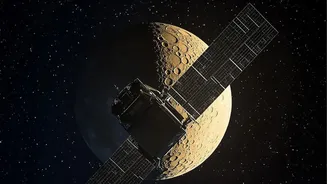
an unprecedented, detailed view of our planet's changing surfaces. NISAR is the first satellite to use two different radar frequencies (L-band and S-band) to measure changes in Earth's land and ice. This allows scientists to track subtle movements of the planet’s surface, from the flow of glaciers and ice sheets to the aftermath of earthquakes and volcanic eruptions. Data from the mission began to be released in mid-2026, offering crucial insights for disaster management, agriculture, and climate change monitoring. For India, NISAR provides invaluable data for managing natural resources and monitoring its vast and varied landscape. For the world, it is a critical tool in understanding global environmental shifts with unparalleled precision.
Gaganyaan: India's Giant Leap to Human Spaceflight
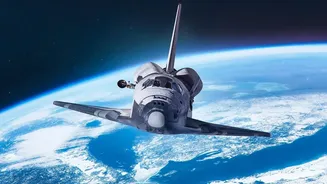
India is on the verge of joining an elite club of nations capable of sending its own astronauts into space. The Gaganyaan programme is ISRO's ambitious project to launch a crew of three into a 400 km orbit for a three-day mission and bring them back safely. While primarily an indigenous effort, the collaboration with NASA is a key enabler. As part of the partnership, NASA is providing advanced training for Indian astronauts at its Johnson Space Center. Following a series of uncrewed test flights, the first of which is expected in 2026, the first crewed flight is anticipated around 2027. One of the key uncrewed flights will feature Vyommitra, a humanoid robot designed to simulate human functions and interact with the spacecraft's controls. The success of Gaganyaan will not only be a moment of immense national pride but also pave the way for more complex missions, including potential participation in a global space station.
Artemis Accords and the Moon Base
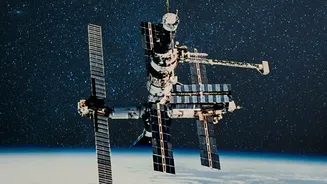
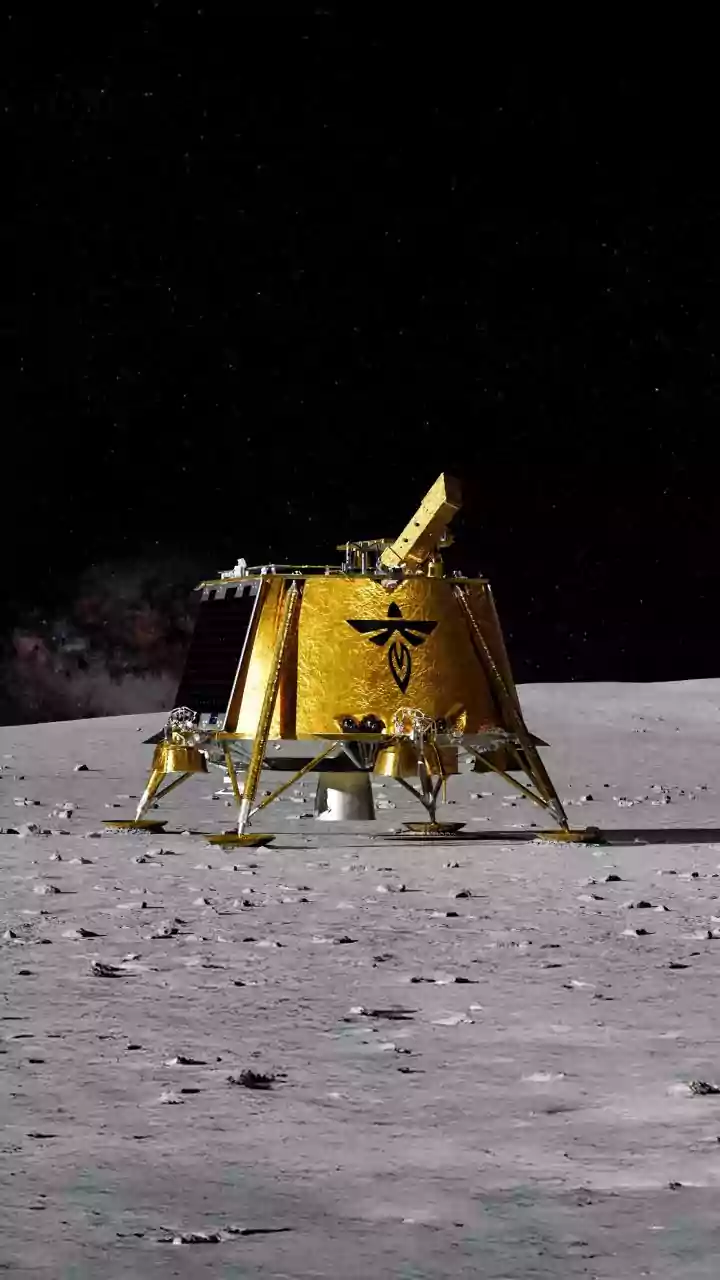
In 2023, India signed the Artemis Accords, a U.S.-led framework for peaceful and responsible exploration of the Moon. This signaled a major step in aligning India's space ambitions with a global coalition of now over 70 nations. The accords establish a set of principles for safety, transparency, and sustainable operations on the lunar surface and beyond. This partnership took another leap in August 2026, when NASA formally invited ISRO to join its ambitious Moon Base programme. This program aims to establish a permanent human outpost near the lunar South Pole, a region where ISRO's Chandrayaan-3 mission made a historic landing. While participation details are still being discussed, joining the Moon Base would give India a role in shaping humanity's long-term presence on another celestial body and accelerate its own goal of landing an Indian astronaut on the Moon by 2040.
Future Lunar Missions: LUPEX and Chandrayaan-4
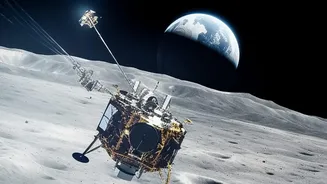
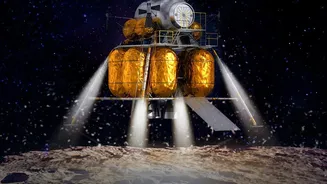
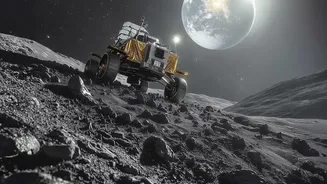
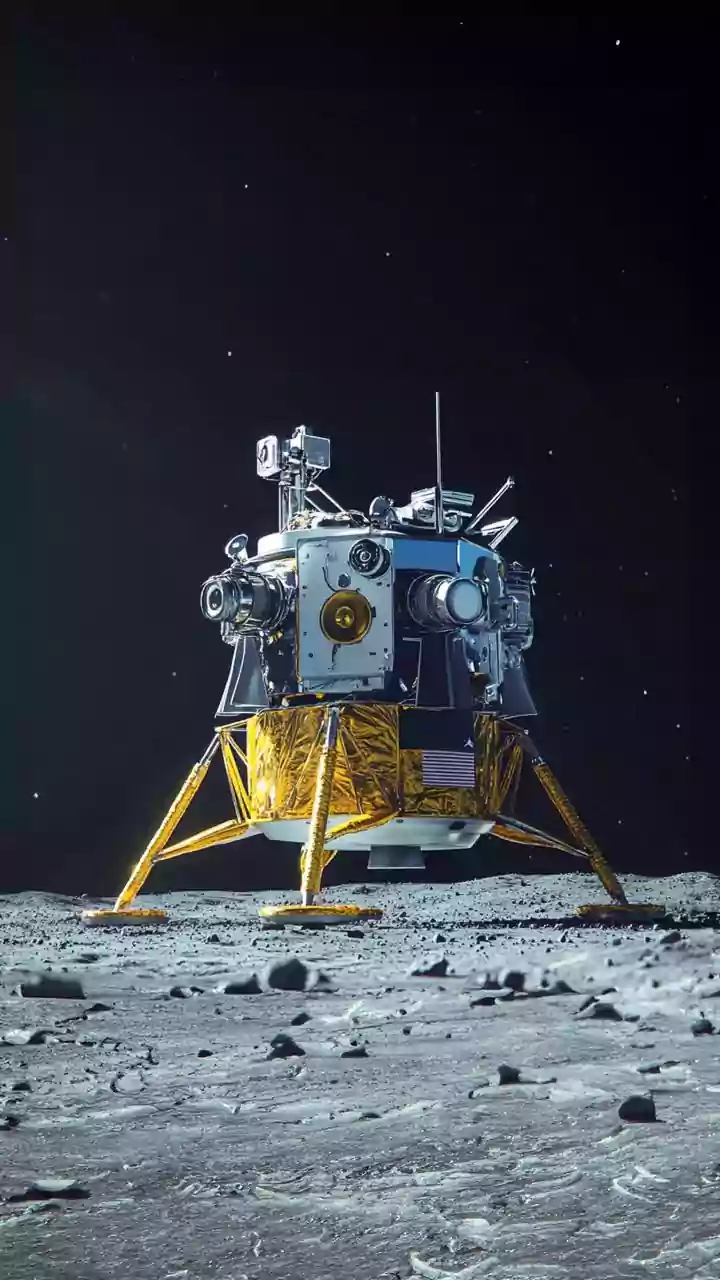
Building on the success of Chandrayaan-3, ISRO is planning even more ambitious lunar missions that are of great interest to the global space community. One of the most anticipated is the Lunar Polar Exploration Mission (LUPEX), a joint venture with the Japan Aerospace Exploration Agency (JAXA) targeted for the 2026-2028 timeframe. LUPEX aims to send a rover to the Moon's south pole to explore for water ice deposits, drilling into the surface to understand their quantity and accessibility. This is critical knowledge for future long-duration missions. Furthermore, India is developing its own robotic sample-return mission, Chandrayaan-4, planned for around 2027. This mission will aim to collect lunar soil and rocks and return them to Earth for detailed study. The expertise gained from these missions will be invaluable as India deepens its collaboration with NASA and other partners under the Artemis framework, contributing vital data and technology to the shared goal of sustainable lunar exploration.