
Understanding Antioxidants and Heat
Antioxidants are natural compounds found in foods like fruits and vegetables that help protect our cells from damage caused by unstable molecules called free radicals. Think of them as the body's little guardians. Many of these powerful compounds, such
as vitamin C and certain flavonoids found in greens like broccoli and spinach, are quite delicate. When exposed to high temperatures, their chemical structures can break down, rendering them less effective. The three key factors that affect nutrient loss during cooking are temperature, time, and the amount of water used. High heat for a prolonged period is often the biggest culprit in nutrient degradation.
A Tale of Two Temperatures
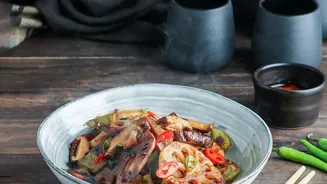
The core of the issue lies in the vast temperature difference between steaming and stir-frying. Steaming uses moist heat, cooking food in the hot vapour from boiling water. This process typically keeps the food's temperature at or around 100°C (212°F). It's a relatively gentle and controlled cooking environment. In contrast, stir-frying involves cooking food quickly in a wok or pan with a small amount of oil over very high heat. The surface temperature in a wok can easily exceed 170-200°C (340-400°F). While this high heat is great for achieving that delicious browned flavour and crisp-tender texture, it can be brutal for heat-sensitive nutrients.
How Steaming Shields Nutrients
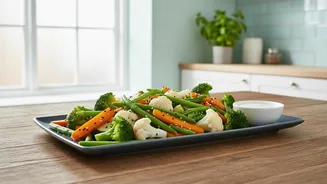
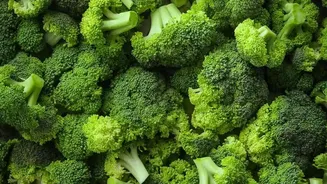
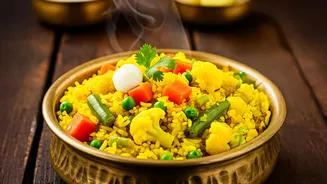
Steaming is one of the best methods for preserving nutrients, particularly water-soluble vitamins like vitamin C and B vitamins, which are sensitive to both heat and water. Because the vegetables are not submerged in water, there is minimal leaching of these nutrients. Studies have shown that steaming broccoli, for example, is the best way to retain its valuable compounds, including vitamin C and glucosinolates, which have shown anti-cancer properties. By cooking the food gently without direct, intense heat or aggressive agitation, steaming helps keep the cellular structure of vegetables more intact, locking in those beneficial antioxidants.
The Stir-Frying Conundrum
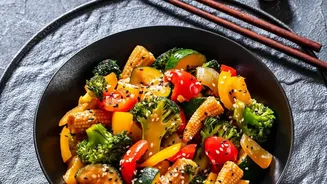
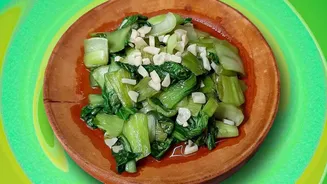
While stir-frying is a quick cooking method that can prevent the loss of some B vitamins, it has a significant downside for certain antioxidants. The high heat can dramatically reduce the amount of vitamin C in vegetables like broccoli and cabbage. In one study, stir-frying caused a substantial loss of cancer-fighting glucosinolates in broccoli. The intense heat, while creating flavour, accelerates the degradation of these delicate compounds. However, it's not all bad news. The fat used in stir-frying can actually help our bodies absorb fat-soluble vitamins (like A, D, E, and K) and other plant compounds.
Not All Antioxidants Are Created Equal
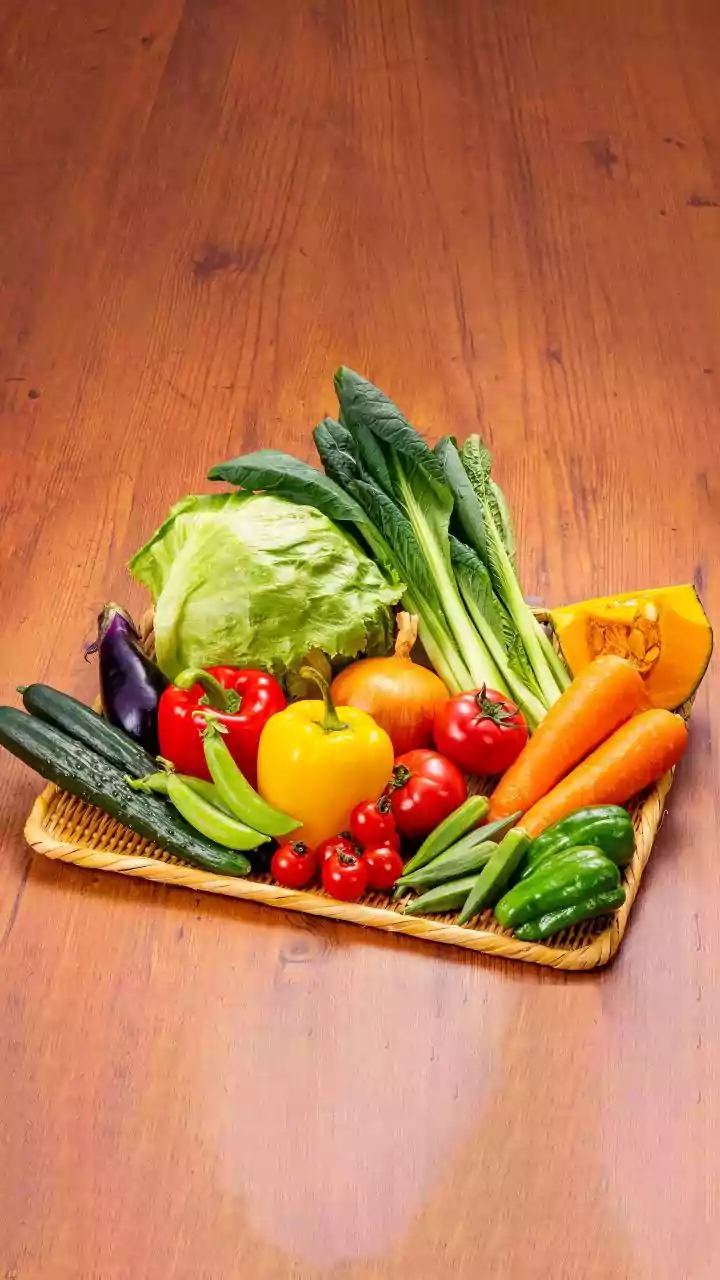
It’s important to remember this isn't a one-size-fits-all rule. While steaming is ideal for delicate antioxidants, some nutrients actually become more available to our bodies after being cooked with heat. A prime example is lycopene, the antioxidant that gives tomatoes their red colour. Cooking tomatoes actually increases the amount of lycopene your body can absorb. Similarly, the beta-carotene in carrots becomes more bioavailable when they're cooked. This means that the best cooking method can depend entirely on the vegetable and the specific nutrient you’re hoping to maximise.
Making Smart Choices in Your Kitchen
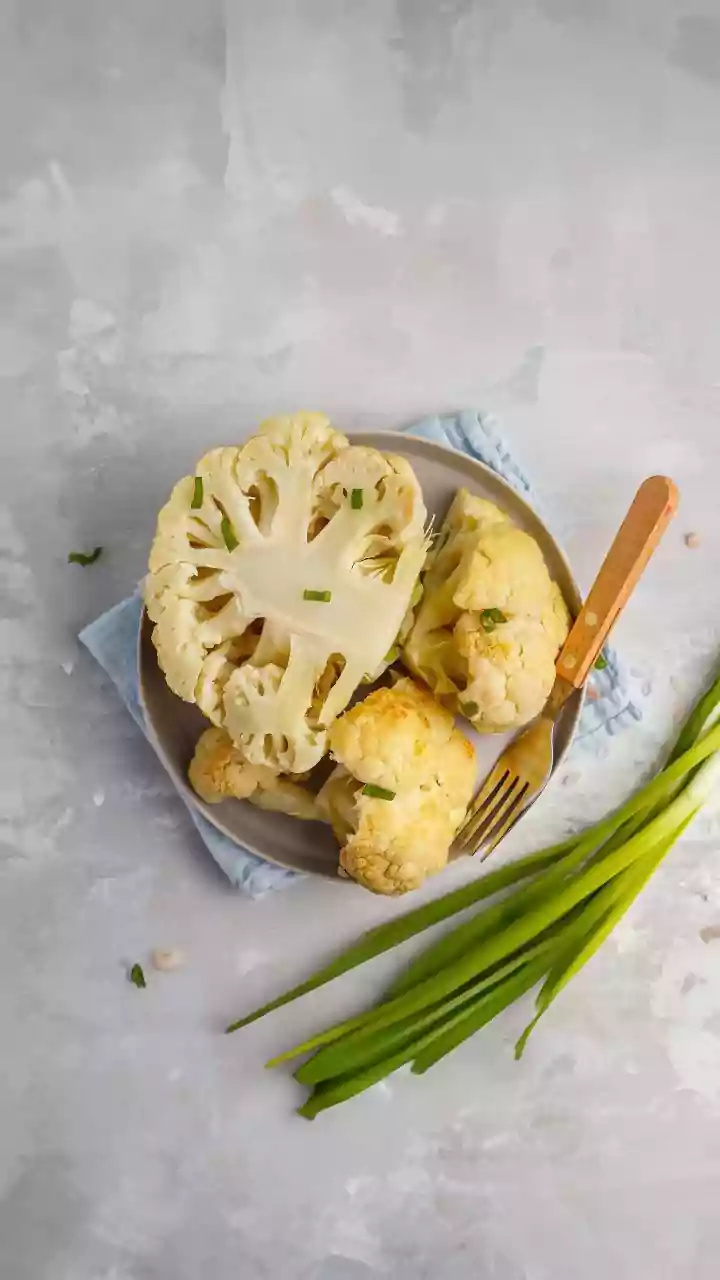
So, what’s a health-conscious home cook to do? For vegetables rich in heat-sensitive nutrients like broccoli, cauliflower, spinach, and bell peppers, consider light steaming for three to five minutes until they are tender-crisp. You can always toss them with a little healthy oil and seasoning after cooking to add flavour and aid the absorption of fat-soluble vitamins. If you love the flavour of a good stir-fry, you don't have to give it up. Simply try to cook for a shorter duration, avoid excessively high heat, and don't overcrowd the pan. Ultimately, the best way to cook vegetables is the way that will make you want to eat more of them.