





The ₹200 Budget Breakdown
A daily budget of ₹200 means each of your three meals—breakfast, lunch, and dinner—must cost around ₹67. This figure immediately rules out eating at most restaurants, where a single vegetarian thali can cost anywhere from ₹150 to over ₹300. Even a home-cooked
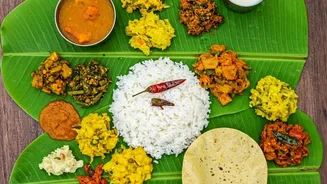
vegetarian thali, according to recent estimates, costs around ₹30.8 per meal, highlighting the pressure on household budgets from rising ingredient prices. The key to staying within the ₹200 limit lies entirely in strategic home cooking, smart grocery shopping, and focusing on the most cost-effective local ingredients available.
Building Your Budget Pantry
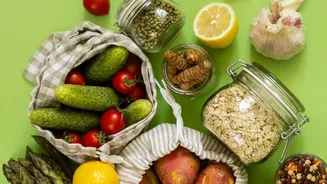
Success hinges on a pantry built with low-cost, high-nutrition staples. The foundation of this diet will be grains and pulses. Rice, whole wheat flour (atta), and various lentils (dals) like toor, moong, and masoor are essential. As of October 2026, average prices for staples like atta are around ₹38/kg, while dals range from ₹90/kg for masoor to ₹128/kg for toor dal. For vegetables, the focus must be on seasonal and local produce, which is always cheaper. Items like cabbage, bottle gourd (lauki), and spinach can often be found for ₹20-40 per kilogram. Potatoes are another affordable staple, though onion prices have seen sharp increases, reaching over ₹50/kg. Other key budget items include peanuts, chickpeas (chana), and making your own curd (dahi) from milk to save costs.
A Sample One-Day Meal Plan
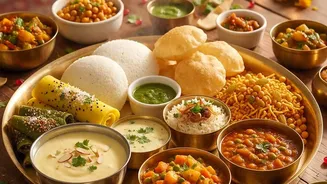
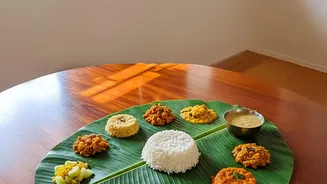
So, what does a ₹200-a-day vegetarian meal plan actually look like? Here’s a plausible, albeit simple, menu: Breakfast (Approx. ₹30-₹40): Vegetable Poha or Upma. Made from flattened rice (poha) or semolina (suji), these are inexpensive bases. A 500g pack of poha costs around ₹30-40. Adding a small amount of seasonal vegetables like peas and carrots adds nutrients without significantly increasing the cost. Lunch (Approx. ₹65-₹75): Dal, Rice, and Sabzi. This is the quintessential balanced Indian meal. A plate consisting of one cup of rice, one bowl of toor dal, and a simple seasonal vegetable side dish (like cabbage or lauki) provides carbohydrates, protein, and fibre. Including a small portion of homemade curd adds probiotics and extra protein. Dinner (Approx. ₹60-₹70): Roti with a Legume Curry. Two or three whole wheat rotis made from home-ground atta can be paired with a protein-rich curry like chana masala (chickpea curry) or rajma (kidney beans). These legumes are filling and offer substantial plant-based protein. A side salad of cucumber and tomato can complete the meal.
The Nutritional Verdict
While the sample meal plan covers the basic macronutrients—carbohydrates from rice and roti, protein from dal and legumes, and some fibre from vegetables—the term 'balanced' requires a closer look. On a ₹200 budget, variety is the first casualty. You are limited to the cheapest available grains and vegetables, which might mean missing out on a wider spectrum of vitamins and minerals found in more diverse produce. Healthy fats, crucial for nutrient absorption and overall health, are also difficult to incorporate sufficiently. While a small amount of cooking oil is factored in, affording nuts, seeds, or higher-quality oils is a challenge. Experts suggest that a truly nutritious meal that meets all daily requirements could cost around ₹230, putting the ₹200 goal just out of reach for optimal health.
Making It Possible: Essential Tips
To even attempt this budget, certain strategies are non-negotiable. First, completely avoid all processed and packaged foods, which offer poor nutritional value for their cost. Second, shop at local sabzi mandis rather than supermarkets to get the best prices on produce. Cooking in batches is another crucial tip; preparing enough dal or sabzi for two or three meals saves time and cooking fuel costs. Finally, minimise food waste by using all parts of vegetables where possible. This disciplined approach is essential to stretching every rupee.