


The Challenge of Flying Low
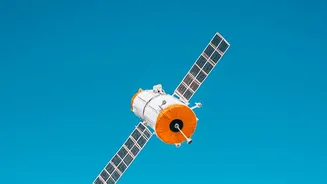
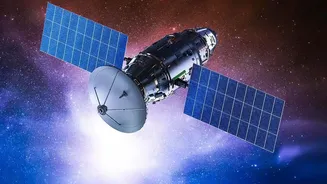
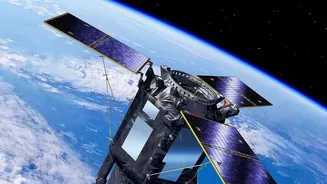
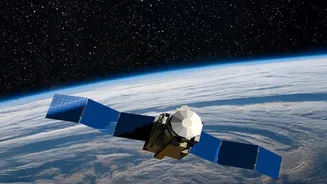
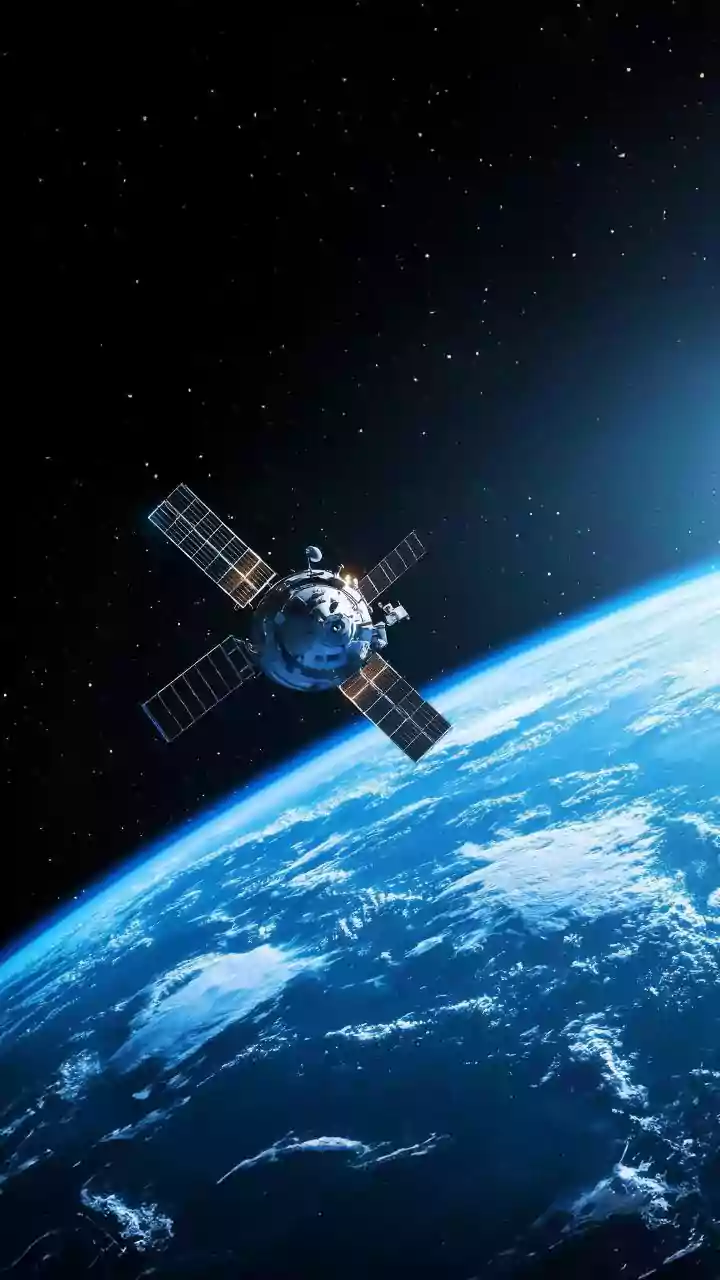
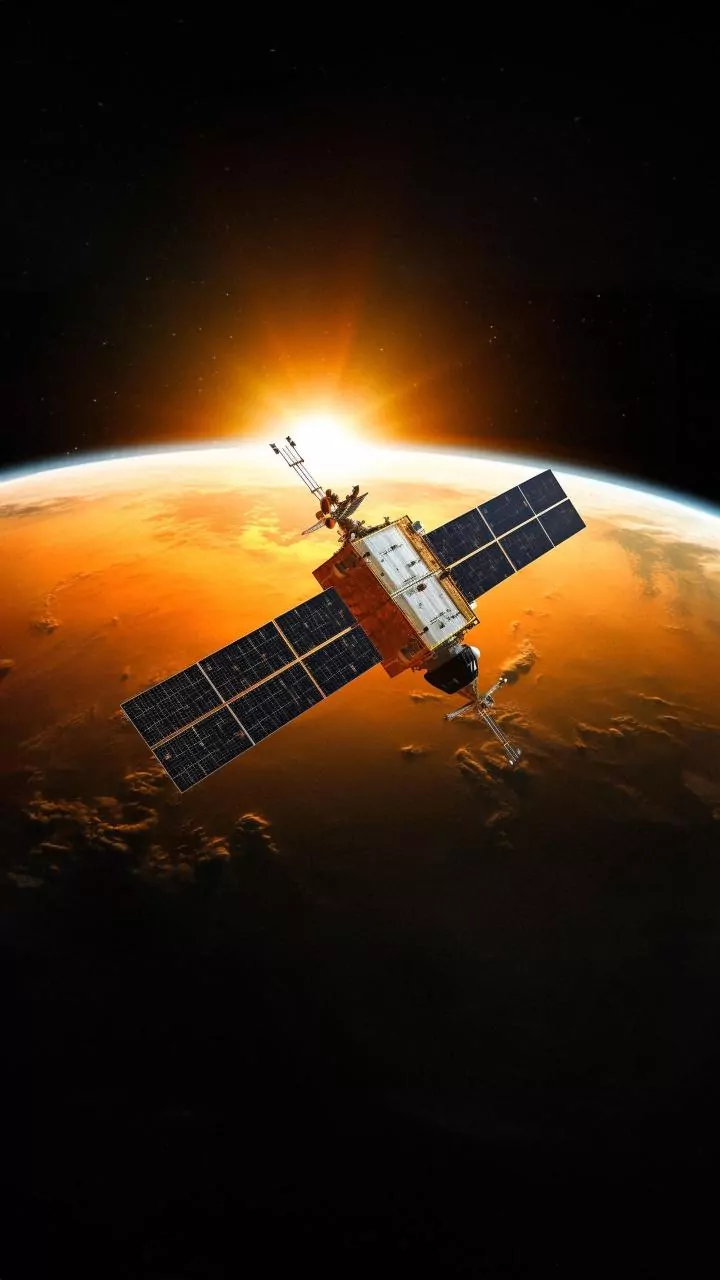
Most satellites orbit hundreds or thousands of kilometres above Earth. But there are huge advantages to getting closer. In what is known as Very Low Earth Orbit (VLEO), typically below 400 kilometres, satellites can capture much higher-resolution images
and provide lower-latency communications. The problem is that VLEO isn't a true vacuum. There's still a residual atmosphere, and for a satellite moving at over 28,000 kilometres per hour, even sparse air molecules create significant drag. This drag acts like a constant brake, causing the satellite's orbit to decay rapidly. Without a propulsion system to constantly boost it, a satellite in VLEO would fall back to Earth in a matter of days or weeks.
The Fuel Problem
The obvious solution to counteracting drag is to fire an engine. Satellites have done this for decades using onboard propellant. But in the dense environment of VLEO, the engine would need to fire almost constantly. This means a conventional satellite would need to carry an enormous amount of fuel, making it heavy, expensive to launch, and limiting its operational lifespan to however long the fuel lasts. Once the tank runs dry, the mission is over. This limitation has historically made long-term VLEO missions impractical and commercially unviable, confining this valuable orbital real estate to short-term experiments.
A Revolutionary Solution: The Air-Breathing Engine
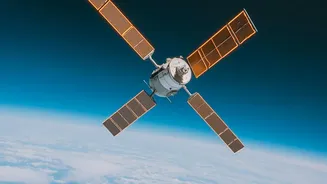
This is where air-breathing electric propulsion (ABEP) comes in. Instead of fighting against the atmospheric particles that cause drag, these revolutionary engines use them as a fuel source. The concept is brilliantly efficient: an intake, or scoop, at the front of the satellite collects the scarce air molecules from the residual atmosphere. These captured particles—mostly nitrogen and highly reactive atomic oxygen—are then channelled into an electric thruster. By turning the very thing that poses a threat into an unlimited source of propellant, the satellite can stay in orbit indefinitely, limited only by the lifespan of its hardware, not its fuel tank.
How Does It Work?
The technology is similar to existing electric ion thrusters, but with a crucial twist. Instead of using a stored propellant like xenon gas, an ABEP system uses the captured air. Inside the thruster, the atmospheric molecules are ionized, meaning they are given an electric charge. An electromagnetic field then accelerates these charged particles to extremely high speeds, shooting them out the back of the engine. This expulsion creates a small but continuous thrust. While the force is gentle—often described as being equivalent to the weight of a feather—it's enough to perfectly counteract the constant atmospheric drag, allowing the satellite to maintain a stable, low-altitude orbit. Research and development by organizations like the European Space Agency (ESA) and private companies like Phase Four are rapidly maturing this technology.
Unlocking a New Era of Satellite Services
By solving the fuel problem, air-breathing engines make sustained VLEO missions safe and commercially viable. This opens up a host of new possibilities. For Earth observation, satellites can provide unprecedentedly detailed imagery for applications in agriculture, climate monitoring, and disaster management. For telecommunications, VLEO constellations can offer even faster internet service with lower latency than current systems. Furthermore, these satellites are inherently safer and more sustainable. When their mission is over or if the system fails, the natural atmospheric drag ensures they de-orbit and burn up cleanly, without adding to the growing problem of space debris. This 'self-cleaning' aspect of VLEO is a significant safety and environmental benefit.