





What Makes a Compression Cube Different?
First, let's clarify the difference between regular packing cubes and compression cubes. Standard packing cubes are essentially fabric organisers that help you sort clothes and keep your suitcase tidy. Compression cubes take this a step further. They
feature an extra zipper that runs around the perimeter. After you pack the cube, you zip this second zipper to squeeze out excess air, significantly reducing the volume of the contents. This is especially effective for bulky items like sweaters, jackets, and fleece pullovers. They are not the same as vacuum-sealed bags, which often require a pump and can cause severe wrinkling.
The Art of Filling the Cube
How you pack your clothes into the cube makes all the difference. For most clothing items, rolling is the superior method. Tightly rolling garments like t-shirts, trousers, and dresses helps to minimise sharp creases and allows you to fit more into the cube before compression. For items prone to wrinkling, such as dress shirts or blouses, a neat, flat fold might be better. The key is to pack the cube evenly and not to overfill it before you attempt to compress it. An overstuffed cube will be difficult to zip and can put stress on the seams, while also potentially causing more wrinkles.
Mastering the Compression Zipper
Using the compression feature is a simple two-step process. First, zip the main compartment of the cube closed. Once that's done, you can begin closing the second compression zipper. It's best to do this slowly. Use one hand to press down on the cube, squeezing the air out, while you guide the zipper with the other. Some people find it helpful to kneel on the cube or press it against their body to apply even pressure as they zip. Work your way around the cube until it's fully compressed. The goal is to create a dense, uniformly shaped brick of clothing.
The Critical Warning: Space Saved Is Not Weight Saved
This is the most important rule of using compression cubes for air travel: compressing your clothes does not make them lighter. It’s easy to get carried away by the extra space and pack more items, but this can lead to a surprisingly heavy suitcase. International airlines are often strict about baggage weight. For checked luggage, the standard limit is typically around 23 kg (50 lbs), though some airlines or premium classes may allow up to 32 kg (70 lbs). Carry-on weight limits can be even more restrictive, sometimes as low as 7-10 kg. Always weigh your packed suitcase at home before heading to the airport to avoid costly overweight baggage fees.
Strategic Suitcase Arrangement
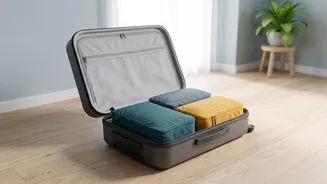
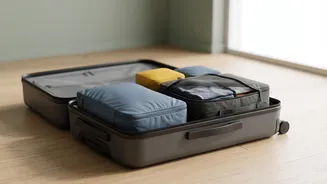
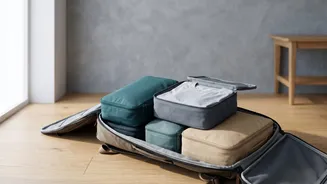
Think of packing with compressed cubes like a game of Tetris. Because the cubes are firm and rectangular, they are easy to stack and arrange. Place the largest, heaviest cubes at the bottom of your suitcase near the wheels. This creates a stable base and makes the suitcase easier to roll. Fill in the gaps around the cubes with smaller items like shoes, toiletries, or irregularly shaped objects. Many travellers also designate one cube for dirty laundry as the trip progresses, which keeps soiled clothes separate and makes unpacking at home much simpler.
Dealing With Wrinkles
While compression cubes can increase wrinkles, especially with fabrics like linen or cotton, the effect is often less severe than expected if you pack carefully. Rolling clothes instead of folding them helps prevent hard creases. For items you're particularly concerned about, consider using a regular (non-compression) packing cube or placing them on the top of your other packed items. Alternatively, pack wrinkle-prone garments made from materials like wool or knits, which are more resilient to compression. Many travel experts agree that a few wrinkles are a small price to pay for the organisational benefits and space savings.