

The Great Indian Snacking Paradox
Snacking in India is more than just a habit; it's a cultural ritual. Yet, today’s fast-paced lifestyles, with demanding jobs and long commutes, leave little time for the elaborate preparation that traditional snacks often require. This has created a significant
shift in consumer behaviour. While there's a clear and growing demand for convenient, ready-to-eat options, there is an equally strong refusal to abandon the authentic, regional tastes we grew up with. People want the comfort of 'ghar jaisa' (home-like) food, but in a format that fits into a busy schedule. It’s a paradox: a desire for the speed of the future, fueled by a deep-seated nostalgia for the flavours of the past.
Redefining 'Convenience' for the Indian Palate
When Indian consumers look for 'easy' snacks, they mean more than just grabbing a bag of chips. Convenience today means minimal effort and maximum flavour. It means ready-to-eat products, heat-and-eat meals, and portable snacks that can be consumed on the go. Urbanisation and the rise of dual-income households mean fewer home-cooked meals, creating a huge market for foods that offer both quick consumption and cultural familiarity. The growth of quick-commerce and online grocery platforms has further accelerated this trend, making a vast variety of regional snacks accessible to consumers across the country, well beyond their local markets.
The Non-Negotiable Power of Familiar Taste
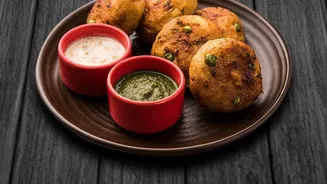
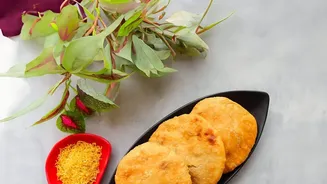
For Indian consumers, flavour is not just a preference; it's an identity. While many are open to experimenting with global tastes, they often return to familiar favourites. The taste of a perfectly spiced bhujia, the tang of chaat masala, or the specific flavour profile of a regional pickle are non-negotiable. These tastes are deeply embedded in memory and culture. As a result, brands are realising that a one-flavour-fits-all approach is no longer effective. Success in the Indian snack market now depends on the ability to replicate these authentic, regional tastes with consistency and quality in a packaged format. Consumers are increasingly prioritising hygiene and quality assurance, moving from the unorganised sector to branded products that deliver a trusted taste profile.
How Brands are Cracking the Code
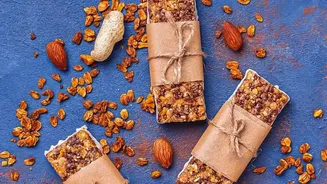
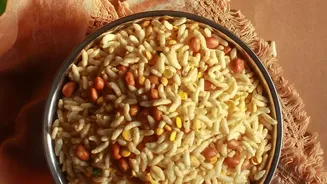
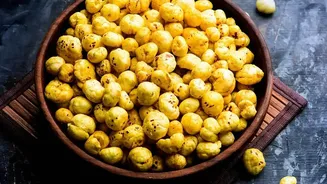
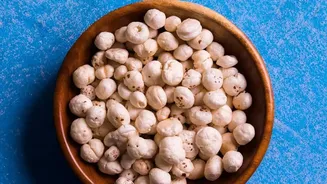
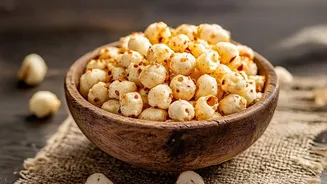
The most successful snack brands in India today are the ones that master this balance of tradition and innovation. Legacy brands like Haldiram's, Bikaji, and Balaji Wafers have built empires by packaging traditional namkeens like Bhujia and Moong Dal, ensuring consistent flavour across the country. Newer players are also entering the fray, turning traditional ingredients like millets (jowar, ragi), pulses, and makhana into modern formats like baked chips and extruded snacks. We now see everything from packaged pani puri flavoured chips to baked 'unjunked' bhujia and ready-to-eat poha. These companies use modern food processing technologies like vacuum frying and nitrogen-flushed packaging to extend shelf life while preserving the original texture and flavour that consumers demand.
The Future of Snacking is Both New and Old
The Indian snack market is projected to grow significantly, with some reports forecasting a compound annual growth rate of over 8% between 2026 and 2034. This growth won't just come from replicating Western snacks. It will be driven by companies that dig deep into India’s rich culinary heritage. The future belongs to brands that can innovate while showing respect for tradition. This means more regional specialities in packaged formats, healthier versions of classic fried snacks, and a continued focus on authentic spice blends. The goal is not to replace the traditional snacks made in family kitchens but to offer a reliable and satisfying alternative for those moments when time is short but the craving for a familiar taste is strong. It's about putting nostalgia in a packet, ready for a new generation.