


The Lifeline We Can't See
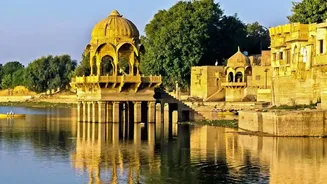
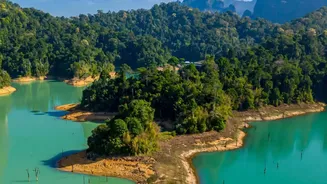
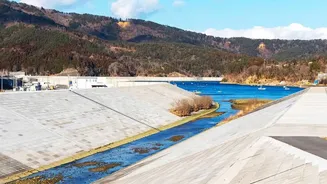
When we think of water, we think of the tap in our kitchen or the bill we pay. Rarely do we picture the massive dams and reservoirs, often hundreds of kilometres away, that make it all possible. These man-made lakes are the backbone of urban water supply
systems. They capture and store colossal amounts of rainwater during the monsoon, which is then treated and piped to cities throughout the year. In a country where the monsoon delivers over 70% of the annual rainfall in just a few months, these storage facilities are not just an engineering marvel—they are the critical buffer between a season of plenty and a year of potential scarcity.
A Look at the Current Water Account
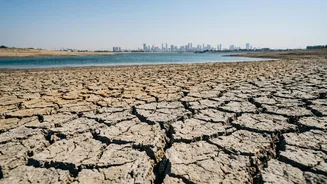
Recent data from the Central Water Commission (CWC) paints a concerning picture as of late September 2026. Across India's 178 major reservoirs, water storage stands at 70% of total capacity. While this may sound substantial, it is significantly below both last year's level of 79% and the ten-year average of 76.62% for this time of year. The situation is particularly grim in some regions. Southern India's reservoirs are holding only 50% of their capacity, a drastic drop from 87% at the same time last year. This shortfall, driven by a deficient monsoon, is the first clear measure of the water deficit urban consumers will face in the dry months ahead.
The Domino Effect of Depletion
When reservoir levels drop, the consequences cascade directly to the urban consumer. Municipal corporations are forced to implement rationing, reducing the hours of piped water supply and forcing households to depend on inconsistent and often expensive alternatives. This creates a thriving market for private water tankers, an unregulated sector where prices can soar during peak summer. The strain also shifts to another already stressed resource: groundwater. As piped supply dwindles, residents and industries dig deeper borewells, accelerating the depletion of underground aquifers. This not only leads to long-term water insecurity but can also degrade water quality, posing significant public health risks from contamination.
More Than Just a Weak Monsoon
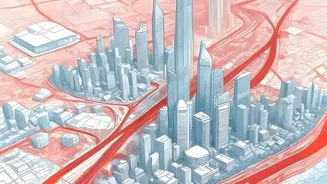
While a poor monsoon is an obvious culprit, it's not the only reason our cities are thirsty. Rapid and often unplanned urbanisation is a major factor. The explosion of concrete surfaces prevents rainwater from seeping into the ground to recharge aquifers, while the encroachment of natural water bodies like lakes and wetlands destroys the local storage capacity that once cushioned cities. Furthermore, our distribution systems are notoriously inefficient. Many cities lose 30-50% of their treated water to leakages in ageing pipelines and unauthorized connections before it ever reaches a consumer's home. This means a significant portion of the precious water stored in reservoirs is wasted, compounding the scarcity problem.
The Consumer's Reality
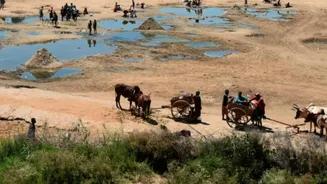
Ultimately, the numbers in a CWC bulletin translate into tangible daily hardships. It means families spending a larger portion of their income on water, lost productivity from time spent queuing for tankers, and the persistent stress of managing a household with an unreliable water supply. For many in low-income settlements, the situation is even more acute, leading to severe supply deficits where a family might have to subsist on a few cans of water a day. The health implications are also severe, as intermittent supply and poor storage can lead to contaminated water and a rise in waterborne diseases. The level of water in a distant reservoir is, therefore, not an abstract statistic; it is a direct indicator of a city’s health, economic stability, and quality of life.