



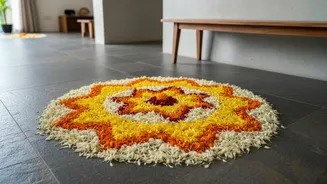

The Pookkalam: A Sustainable Centrepiece
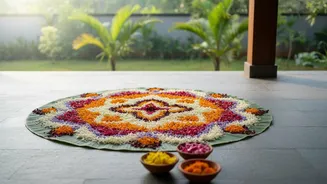
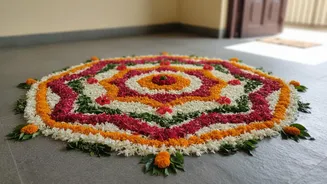
The pookkalam is the heart of Onam decor, and it's naturally eco-friendly. Instead of seeking exotic or plastic flowers, embrace tradition by using locally sourced, seasonal blooms like marigolds (jamanthi), jasmine (mulla), and globe amaranth (vadamalli).
These are not only biodegradable but also support local flower sellers. Plan your design in advance to avoid over-buying. Concentric circles are classic and easier to manage, reducing petal wastage. For colours, look to your kitchen! Turmeric powder for yellow and rice flour for white are traditional, non-toxic options that can supplement your floral palette beautifully. When the festival is over, these natural materials don't need to go in the bin; they can be composted, returning their nutrients to the earth.
Welcoming with Natural Thorans and Garlands
Plastic garlands and synthetic thorans have become common, but the traditional options are far more charming and sustainable. Weave your own thorans for the doorway using fresh mango leaves and marigold flowers. According to tradition, mango leaves are not just decorative but also have purifying properties. For longer-lasting decor, consider garlands made from cloth, upcycled from old sarees, or hand-painted wooden beads. Instead of plastic ribbons, use jute string or cotton thread to hang your decorations. These small swaps significantly reduce plastic waste and lend an authentic, earthy feel to your home.
Illuminating Your Home Naturally
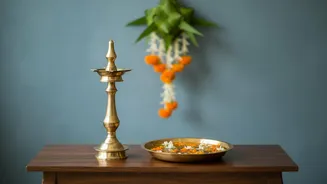
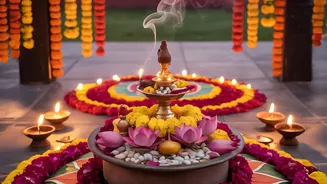
The warm glow of lamps is essential to the Onam atmosphere. Move away from plastic-cased LED string lights and embrace the timeless elegance of traditional lighting. The classic Nilavilakku, a tall brass lamp, is a stunning centrepiece that can be passed down through generations. For smaller accents, use terracotta or clay diyas with cotton wicks and natural oils like coconut or sesame oil. These create a soft, flickering light that plastic lights can't replicate. Floating diyas in an urli (a traditional brass or clay bowl) filled with water and flower petals creates a serene and beautiful focal point for your living room or entrance.
Embracing Earthy Textures and Materials
Extend the eco-conscious mindset beyond flowers and lights. For the Onam sadya, the grand feast, use traditional banana leaves as plates. They are fully biodegradable and can be composted or fed to cattle after the meal. Decorate your dining area with items made from natural materials like cane, bamboo, and terracotta. Woven baskets can hold flowers or fruits, while handwoven mats can be used for seating or as table runners. Reusing old Kasavu sarees or mundus as drapes, table covers, or cushion covers is a creative way to bring in the classic white-and-gold Onam palette without buying new textiles.
After the Celebration: Closing the Loop
A truly green celebration doesn't end when the guests leave. The key is responsible disposal. All the flowers from your pookkalam and garlands can be added to a home compost bin. If you don't have one, you can simply bury them in your garden to enrich the soil. Banana leaves from the sadya can also be composted. Before storing your reusable decorations like brass lamps and cloth thorans, give them a gentle clean so they are ready for the next festival. By thinking about the entire lifecycle of your decorations, you complete the circle of a sustainable celebration, honouring both tradition and nature.