







The Old Rules No Longer Apply
The long-standing pact between a prestigious education and a guaranteed job is fraying. In India's hyper-competitive job market, employers are discovering a significant gap between what universities teach and what the modern workplace demands. [15] India produces
over 10 million graduates annually, but reports suggest less than half are considered readily employable in their fields. [14] This has led to a situation where a significant number of graduates, and even postgraduates, find themselves in jobs that don't align with their qualifications. [17] The traditional method of using a degree as the primary filter for candidates is proving inefficient, forcing companies to spend more on training new hires to make them job-ready. [7] This has prompted a fundamental rethink in recruitment strategy across industries.
The Global Shift to Skills-Based Hiring
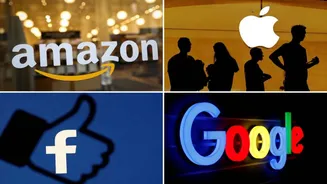
In response, companies in India and around the world are pivoting to a 'skills-first' approach. [3] This model prioritises what a candidate can *do* over what their degree says they studied. [6] Major companies like Google, Apple, and Infosys are increasingly focusing on practical evaluations—like coding tests, case studies, and portfolio reviews—to gauge a candidate's actual abilities. [14] This shift is backed by data; skills-based hiring is found to be significantly more predictive of job performance than hiring based on education alone. [22] As a result, job descriptions are changing, with many firms removing degree requirements for roles where they aren't strictly necessary, thereby widening the talent pool. [13, 20]
AI Is Accelerating the Change
Artificial intelligence is playing a major role in this transformation. Modern recruitment AI is being designed to look for skills, not just keywords from elite universities. [2, 12] These systems can analyse a candidate's potential by looking at skill transferability and their capacity to adapt, rather than just their academic history. [12] AI-powered platforms use simulations and project-based tasks to get a real-world sense of a candidate's problem-solving abilities. [8] This automated, data-driven approach helps level the playing field, allowing talented individuals from non-traditional backgrounds to be seen and evaluated fairly. [8]
It’s Not Just About Hard Skills
While technical proficiency is crucial, employers are placing an unprecedented emphasis on soft skills. [5] As AI automates routine tasks, uniquely human abilities like critical thinking, communication, leadership, and adaptability have become top priorities for recruiters. [10, 11] A 2026 report highlights that three of the top five skills employers demand are soft skills. [5] In a hybrid work environment, the ability to communicate clearly, collaborate effectively, and solve complex problems with a team is non-negotiable. [5] These are the skills that AI cannot replicate, making them immensely valuable.
Your Portfolio: The New Proof of Work
In this new landscape, a portfolio is becoming more important than a transcript. [27] It is a tangible collection of your work that proves your capabilities. [28, 29] Whether you are a coder, a writer, a designer, or a marketer, a strong portfolio showcasing real projects, internships, and even freelance work speaks volumes. [25, 27] Recruiters now want to see what you have built, what problems you have solved, and what impact you have made. [7] It's a way to demonstrate your passion, your growth, and your readiness to contribute from day one, moving beyond the theoretical knowledge of a classroom. [25, 29]