






Your Body's Internal Clocks
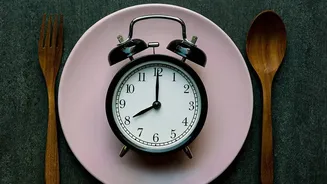
Our bodies run on a 24-hour internal cycle called the circadian rhythm, which acts as a master clock, primarily governed by light and darkness. This rhythm tells us when to feel sleepy, when to wake up, and when to get hungry. But it's not just our brain
that has a clock; our gut has one, too. The trillions of microbes living in our digestive system—collectively known as the gut microbiome—also follow a daily rhythm. This microbial clock helps regulate digestion, nutrient absorption, and immune responses. When our lifestyle habits, like sleep and meal times, are out of sync with these natural rhythms, it can cause a state of 'internal desynchronization', which studies now show can have significant health consequences.
What New Research Reveals
A recent study from UTHealth Houston has shed more light on this connection, particularly in adults with obesity. The research, published in the journal iScience, found that individuals who are natural 'night owls' and also eat their meals late into the evening are more likely to have risk factors for metabolic syndrome, such as high blood sugar and abnormal cholesterol. The study pinpoints a potential mechanism: these habits are linked to a condition often called 'leaky gut'. This means the intestinal barrier, which normally keeps harmful substances contained, becomes more permeable. When this barrier is weakened, substances can leak into the bloodstream, triggering low-grade, chronic inflammation throughout the body.
Why Gut Inflammation Matters
Chronic low-grade inflammation is not something you typically feel like a stomach bug, but it's a significant concern for long-term health. This persistent, low-level inflammatory state is believed to be a contributing factor to a host of chronic conditions. Studies have shown that sleep deprivation can increase pro-inflammatory markers in the body. This disruption upsets the balance of bacteria in the gut, a state known as dysbiosis. This imbalance can lead to a decrease in beneficial bacteria that produce helpful compounds like short-chain fatty acids (SCFAs), which are crucial for maintaining a strong gut barrier and a healthy immune response. Over time, this inflammatory environment can contribute to the development of metabolic issues.
The Problem with 'Night Owl' Habits
Consistently eating late at night forces your digestive system to work when it should be resting and repairing. This can disrupt the natural ebb and flow of your gut microbes. Research suggests that irregular eating schedules are associated with metabolic dysregulation and increased inflammatory signals. Combining this with a late sleep schedule creates a double-whammy for your internal clocks. Sleep deprivation itself is a form of stress that can alter the gut microbiome, reducing the diversity of helpful bacteria and promoting the growth of potentially harmful ones. This creates a vicious cycle: poor sleep worsens gut health, and an imbalanced gut can, in turn, interfere with your ability to get quality sleep.
Simple Steps to Realign Your Rhythm
The good news is that the gut microbiome can be a modifiable pathway to better health. While changing your natural chronotype isn't easy, adjusting your habits can make a significant difference. Try to establish a consistent sleep-wake cycle, even on weekends, to support your body's master clock. Aim to eat your last meal at least two to three hours before bedtime to give your digestive system adequate time to process food before you lie down. Focusing on a fibre-rich diet can also help by feeding the beneficial bacteria that produce anti-inflammatory compounds like butyrate. Some research even suggests that practices like time-restricted eating (TRE), where you consume all your daily calories within a specific window, may help restore microbial rhythmicity.