



The Anatomy of a Perfect Kachori
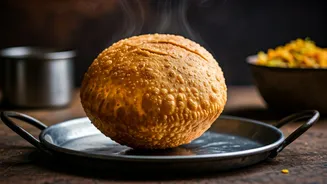
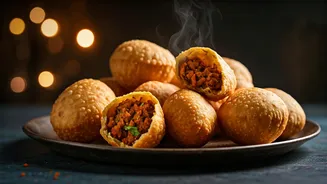
The Indori kachori is a masterclass in texture and taste. It's a perfectly crisp, golden-brown sphere of flour that shatters at the touch, revealing a heart of savoury, spiced filling. Unlike the singular dal kachori found in many parts of India, Indore
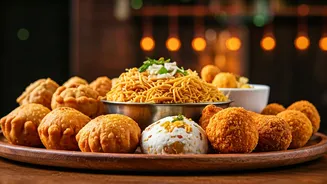
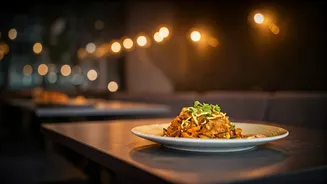
offers a wide variety: there's the classic aloo (potato) and matar (peas) kachori, often served with a fiery green chutney that cuts through the richness. Then there's the fragrant hing (asafoetida) kachori, the seasonal bhutte ki kachori (corn), and even fariyali versions for those fasting. Shops like Lal Balti Aloo Kachori, famous for the red bucket that signals its opening hours, have become institutions, drawing crowds for their consistent quality. The process is simple but precise: a flavourful filling, a perfectly rolled dough, and a deep fry until golden. It’s served hot, often with the perfect amount of sweet and spicy chutneys, ready to be devoured on the spot.
A City That Lives to Eat
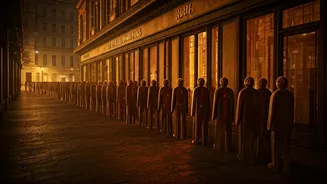
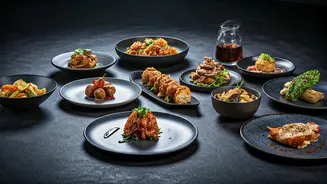
These kachori queues are not an isolated phenomenon; they are the most visible symptom of a city obsessed with food. Indore is widely hailed as India's street food capital, a reputation built on centuries of culinary history and innovation. The city's food culture is a rich tapestry woven from Maharashtrian, Rajasthani, and Gujarati influences, a legacy of the Holkar dynasty that ruled the region. This history is alive in its two most famous food hubs: Chappan Dukan and Sarafa Bazaar. Chappan Dukan, which translates to "56 Shops," is a clean, organised street food hub known for its daytime snacks, from the iconic Indori poha-jalebi to hot dogs and shikanji. By night, the city's culinary heart shifts to Sarafa Bazaar. A jewellery market by day, it transforms into a bustling, open-air food court after 8 PM, a tradition that has continued for generations. Here, amidst the closing shutters of gold shops, vendors serve up everything from dahi vadas to garadu (spiced fried yam) until the early hours of the morning.
The Secret Ingredient: Jeeravan
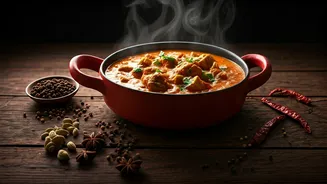
To understand Indori snacks, you must understand jeeravan. This is not just a masala; it's the city's signature flavour. A complex and aromatic blend of roasted cumin, coriander, fennel, dried mango powder (amchur), black salt, and other spices, jeeravan is a finishing spice, sprinkled on top of a dish just before serving. It’s the magic dust on Indori poha, the zing in fruit chaat, and the perfect counterpoint to a hot samosa or kachori. Unlike garam masala, which is used in cooking, or chaat masala, which is primarily sour, jeeravan offers a balanced profile of earthy, tangy, sweet, and savoury notes. It’s this unique seasoning that gives so many of Indore's snacks their distinctive and addictive taste, a flavour that is instantly recognisable as a product of the city's inventive culinary spirit.
More Than a Snack, It's a Ritual
Ultimately, the queues for kachori—and for poha, jalebi, and countless other snacks—are about more than just satisfying hunger. They represent a communal act, a daily ritual that brings the city together. In these lines, you'll find office workers grabbing a quick breakfast, families on an evening outing, and tourists eager to taste what the fuss is about. The street food scene in Indore is a great equaliser, where people from all walks of life gather to share a common passion. The willingness to wait is a shared understanding that what lies at the end is worth it: not just a snack, but a taste of the city's soul. It's a testament to the vendors who have perfected their recipes over decades and to the citizens who have made food an integral part of their cultural identity.