






The Autumn Pantry's Seasonal Shift
Autumn in India is a season of transition, bridging the gap between the heavy monsoons and the approaching winter. It’s a time marked by major festivals like Navratri, Durga Puja, and Diwali, which profoundly influence the country's culinary landscape.
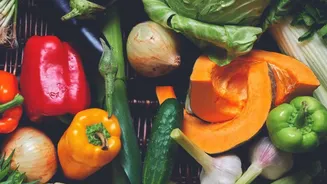
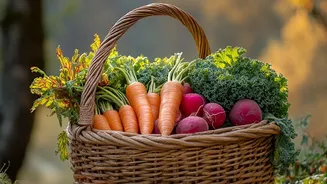
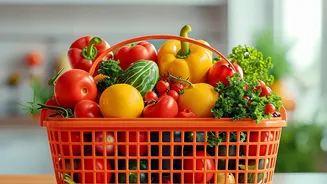
This is the Vata season in Ayurveda, a time when our bodies crave warm, grounding, and nourishing foods to combat the increasing dryness in the environment. As a result, the everyday pantry makes way for seasonal produce that is hearty and energy-giving. Root vegetables, in particular, become staples. Freshly harvested sweet potatoes, carrots, turnips, and pumpkins fill the markets, signaling a move away from the gourds of summer and monsoon towards produce that offers comfort and warmth.
Sweet Potato: The Festive Fasting Favourite
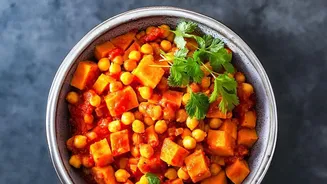
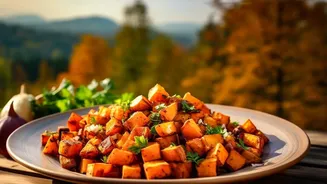
The sweet potato, or 'shakarkandi', is arguably the reigning star of autumn, especially during the nine-day Navratri festival. Its popularity stems from its role as a permitted food during religious fasts (vrat or upvas), when grains and certain spices are avoided. Rich in complex carbohydrates and fibre, it provides sustained energy, which is crucial when meals are limited. But its appeal goes far beyond just sustenance. The most beloved preparation is the simple Shakarkandi Chaat, where roasted or boiled sweet potato cubes are tossed with rock salt (sendha namak), lemon juice, and perhaps a sprinkle of chilli and cumin. This dish perfectly balances the natural sweetness of the vegetable with tangy and spicy notes. Other fasting delicacies include creamy sweet potato halwa, savoury tikkis (patties) bound with buckwheat flour (kuttu), and even crispy baked chips. These preparations showcase its incredible versatility, transforming it from a simple root vegetable into a festive treat.
Raw Banana's Surprising Savoury Side
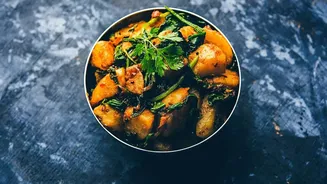
While its ripe counterpart is loved for its sweetness, the raw banana, or 'kaccha kela', is prized for its starchy, potato-like texture and neutral taste. This makes it an excellent vehicle for spices and a popular substitute for potatoes, especially in Jain cuisine and during fasting periods when tubers that grow underground are sometimes avoided. The raw banana is incredibly versatile, lending itself to a wide range of savoury dishes across India. In the South, it's used to make crisp stir-fries known as 'thoran' or 'poriyal', often tempered with mustard seeds, curry leaves, and fresh coconut. In Bengal, it can be found in rich curries. In many North Indian homes, it's transformed into delicious koftas (fried dumplings) simmered in a tangy tomato gravy or a simple, dry 'sabzi' seasoned with ajwain (carom seeds). Its ability to absorb flavours makes it a robust and satisfying ingredient, perfect for the heartier meals of autumn.
Rooted in Tradition and Wellness
The prominence of sweet potatoes and raw bananas during autumn isn't just a matter of seasonal availability; it's deeply rooted in cultural and wellness traditions. Both are considered 'sattvic' foods in Ayurveda—pure, wholesome, and easy to digest, making them ideal for periods of spiritual observance and fasting. They are packed with essential nutrients like potassium, fibre, and vitamins, helping to boost immunity as the seasons change. The slow-digesting carbohydrates in these vegetables provide a steady release of energy, keeping one feeling full and balanced. This aligns perfectly with the Ayurvedic principle of eating grounding foods to pacify the Vata dosha, which is dominant in autumn and can lead to feelings of instability and fatigue. By choosing these ingredients, traditional cooking intuitively provides the body with the nourishment it needs to navigate the seasonal shift gracefully.