








Recovery Starts Before You Leave
The secret to a great first day of vacation begins before you even pack your bags. Think of it as pre-gaming your recovery. In the few days leading up to your trip, focus on hydration by drinking plenty of water. You can also start gradually adjusting
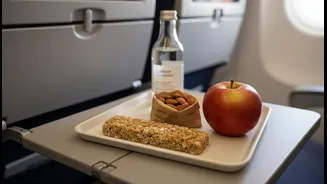
your sleep schedule. If you're flying east, try going to bed and waking up 30-60 minutes earlier each day. If heading west, do the opposite. This slow shift helps ease your body into the new time zone before you even leave home. Packing a small “arrival kit” is also a smart move. Include essentials like a reusable water bottle, healthy snacks like nuts or fruit, and anything that helps you relax, like an eye mask or earplugs for the flight.
Navigate Travel Day Like a Pro
The journey itself, whether by plane, train, or car, is often the biggest drain on your energy. The key is to actively manage it. Dehydration is a major cause of travel fatigue, especially on long flights where cabin humidity is extremely low. Make a point to drink water consistently throughout your journey and limit alcohol and caffeine, which can disrupt sleep and worsen dehydration. Sitting for long periods can also leave you feeling stiff and sluggish. Get up, stretch, and walk around whenever possible—every hour or so on a flight is a good rule of thumb. This simple movement boosts circulation and helps fight off that lethargic feeling.
The Golden Hours After Arrival
What you do in the first few hours at your destination can make or break your recovery. As soon as you arrive, switch fully to the local time. One of the most powerful tools for resetting your internal clock, or circadian rhythm, is natural light. If you land during the day, spend some time outside. A short walk around your new neighborhood will not only expose you to sunlight but also get your body moving. Resist the temptation to take a long nap, no matter how tired you feel. If you absolutely must rest, keep it to a short power nap of 20-30 minutes. Napping for longer can make it harder to sleep at night, prolonging jet lag.
Craft a Restful First Night
Your first evening sets the tone for your sleep for the rest of the trip. Plan for a light, healthy dinner. Heavy or greasy foods can make you feel sluggish and disrupt digestion, especially when your body clock is already confused. Syncing your meals to the local time helps reinforce the new schedule for your body. Avoid using alcohol as a sleep aid; while it might make you drowsy initially, it ultimately harms your sleep quality. Create a simple, relaxing bedtime routine to signal to your brain that it's time to wind down. Try to avoid bright screens from phones or laptops for at least an hour before bed, as the blue light can interfere with melatonin production and keep you awake.
Decompress and Unwind Mentally
Travel fatigue isn't just physical; it's mental, too. The stress of planning, navigating airports, and managing logistics can leave your nervous system on high alert. Take some time for mental decompression. This could be as simple as a few minutes of deep breathing exercises or guided meditation, which can help calm your mind. Journaling about your travel experiences can also be a great way to process the day and transition out of "travel mode." Don't over-schedule your first day. Give yourself permission to ease into the holiday. Instead of rushing to a major tourist attraction, maybe opt for a relaxed stroll through a local park or some window shopping. By building in this buffer, you protect the energy you'll need for the adventures ahead.