





Why Extra Care is Crucial
The combination of dampness and warmth during the monsoon accelerates the growth of bacteria, fungi, and mould. Vegetables can get contaminated by dirty water during transport or while sitting in the market. The moisture also attracts more insects and pests.
This environment significantly increases the chances of foodborne illnesses like stomach infections, diarrhoea, and food poisoning. Therefore, being a vigilant shopper is your first line of defence in keeping your family healthy throughout the rainy season.
The Initial Visual Scan
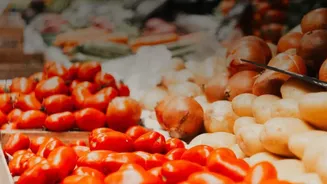
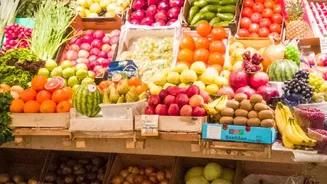
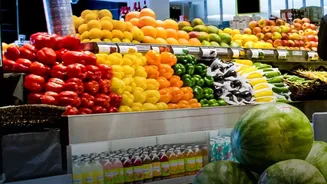
Your eyes are your best tool at the vegetable stall. Look for vegetables that appear fresh, firm, and have a bright, natural colour. Actively avoid any produce with visible signs of damage. This includes cuts, large bruises, soft spots, or any indication of mould. Pay close attention to wilting or yellowing leaves, which are clear signs of decay. Also, be wary of vegetables that look unnaturally shiny, as this could indicate a wax coating. Discard any items that show clear signs of spoilage before they can affect other produce.
The Touch and Feel Test
Don't be afraid to gently handle the vegetables. They should feel firm and heavy for their size. Softness or a mushy texture is often a sign of rot, especially in vegetables like tomatoes, gourds, and cucumbers. A slimy film on the surface is a major red flag, indicating bacterial growth. Leafy greens should be crisp, not limp. Root vegetables like potatoes and onions should be hard and dry, without any soft patches or sprouting.
Special Caution for Leafy Greens
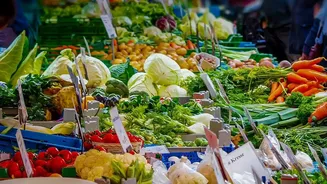
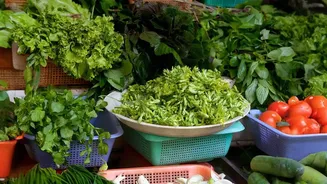
Leafy vegetables like spinach, cabbage, and coriander are particularly high-risk during the monsoon. Their many layers and crevices can easily trap mud, tiny insects, and microbes, making them difficult to clean thoroughly. The high moisture content makes them a favourable breeding ground for bacteria. While you don't have to avoid them completely, you must inspect them carefully for any trapped dirt or insects and commit to a rigorous cleaning process at home. If they look overly muddy or wilted at the market, it is best to skip them.
Inspecting Cruciferous and Root Vegetables
Vegetables like cauliflower and broccoli have dense heads with many nooks and crannies where worms and pests can hide, a problem that worsens in the damp weather. Gently part the florets to check for any signs of infestation. For root vegetables such as carrots, radishes, and potatoes, which grow underground, the risk of soil contamination is higher. Check them for any dark spots, green patches on potatoes, or a damp, earthy smell that seems stronger than usual, as these can be signs of rot.
Safer Choices and Home Care
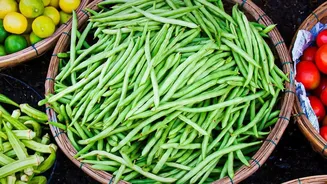
Certain vegetables are generally a safer bet during the monsoon. Gourds like lauki (bottle gourd), turai (ridge gourd), and karela (bitter gourd) have thick skins and are less prone to spoilage. Okra and beans are also good options. Regardless of what you buy, avoid pre-cut vegetables, as their exposed surfaces are highly susceptible to bacterial growth. Once home, wash all produce thoroughly under clean, running water. For leafy greens, a soak in salt or vinegar water for 15 minutes can help dislodge germs. Finally, cook vegetables well, as high temperatures kill most harmful bacteria.