







An Era of Extreme Weather
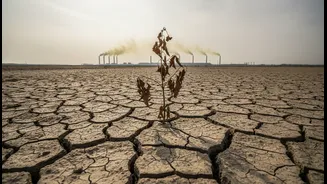
The most alarming takeaway from the 2026 report is the intensification of extreme weather events. In 2025, India experienced extreme weather on 99% of the days between January and November. These events, including severe heatwaves, cold waves, and devastating
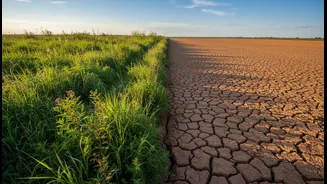
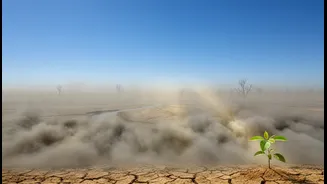
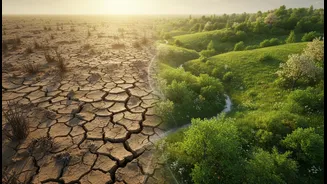
floods, resulted in 4,419 reported deaths and affected over 17 million hectares of crops. This marks a sharp increase from previous years, with states like Himachal Pradesh being the most affected. The report connects this trend directly to a warming climate, warning that without serious mitigation efforts, such disasters could become the new normal, reshaping rivers, cities, and daily life. The combination of a strong El Niño and climate change in 2026 is expected to further intensify these weather patterns, impacting India's monsoon which is critical for agriculture and water availability.
The Air Remains a Major Concern
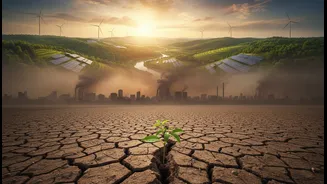
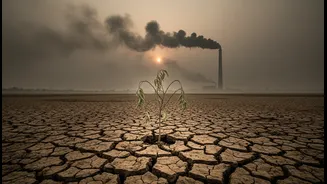
Air quality continues to be a persistent crisis across the nation. Reports from early 2026 show that nearly half of monitored Indian cities breached the country's own air quality standards, and not a single city met the WHO's daily safety guidelines. Ghaziabad and Delhi ranked among the most polluted cities, with PM2.5 concentrations reaching alarming levels. The State of India's Environment report highlights a critical gap in monitoring, noting that 85% of the population lives outside areas with air quality measurement stations, particularly in smaller towns and industrial belts. This means the true extent of the problem is likely underestimated. The health impact is severe, with one analysis equating life in Delhi to smoking several cigarettes a day.
A Deepening Water Crisis
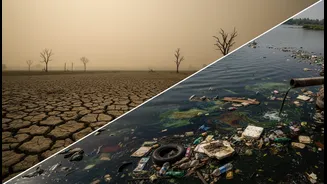
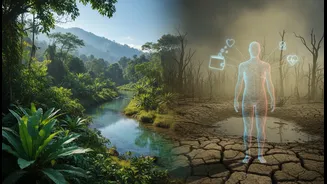
With 18% of the world's population but only 4% of its freshwater, India is one of the world's most water-stressed countries. The situation was exacerbated by a poor 2025 monsoon and a rainless winter in 2026, causing reservoir levels to plummet across the country before summer even began. By March 2026, water levels in 35% of major reservoirs had dropped below the 50% alert threshold. Cities like Bengaluru and Delhi are already facing acute shortages, forcing a reliance on depleting groundwater. Experts warn that rapid urbanisation, inefficient agricultural practices, and pollution are pushing India's water systems toward a breaking point, threatening agriculture, public health, and economic stability.
The Challenge of Waste and Wildlife
Waste management has emerged as a major challenge for most states, with even top performers struggling. To address this, new Solid Waste Management Rules came into effect in April 2026, aiming to improve segregation, promote a circular economy, and reduce landfill dependency. The new rules place greater responsibility on bulk waste generators and introduce penalties for non-compliance. On the biodiversity front, the report flags intensifying human-tiger conflict. This is partly driven by the spread of invasive plant species like Lantana camara, which degrades tiger habitats and pushes them closer to human settlements, leading to tragic encounters.
A Push Towards Clean Energy
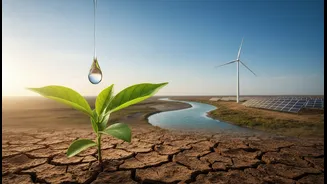
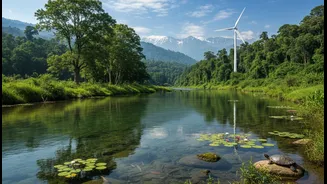
Amid these significant challenges, there is notable progress in the renewable energy sector. In a major milestone, India crossed the 50% mark for clean energy sources meeting electricity demand for the first time on July 6, 2026. The country has been rapidly expanding its solar capacity, adding around 26 GW in the first half of 2026 alone. As of March 2026, renewable energy sources, including large hydro, constituted over 42% of the country's total installed power capacity. This growth is driven by states like Rajasthan, Gujarat, and Karnataka. However, the transition is uneven, with several states still heavily dependent on coal and facing challenges related to grid stability and energy storage.