







What Flooding Does to Your Soil
Healthy soil is teeming with life, much of it microscopic. Billions of beneficial bacteria and fungi, known as aerobic microbes, live in the tiny air pockets between soil particles. They are essential for breaking down organic matter and making nutrients
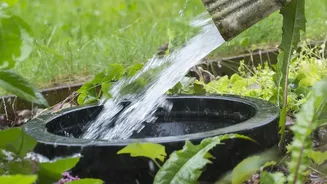
available to plants. When soil becomes waterlogged after a flood or intense rain, these air pockets fill with water. This creates an oxygen-deprived, or anaerobic, environment. Within just 24 to 72 hours of being waterlogged, the population of these vital aerobic microbes can be severely depleted or completely extinguished. Their absence creates a vacuum, allowing harmful anaerobic microbes, including some plant pathogens, to thrive. This sudden shift turns a living, breathing ecosystem into a stagnant, unhealthy environment for plant roots.
Why Plants Suffer in Waterlogged Soil
It might seem strange that plants can wilt in soaking wet soil, but it’s a common symptom of flood stress. Plant roots, just like the beneficial microbes, need oxygen to function and respire. Without it, they can't effectively absorb water or nutrients. This leads to the plant essentially suffocating and starving, even when surrounded by water and potential food. The anaerobic conditions also lead to a build-up of toxic substances and can change the soil's pH, further stressing the plant. This combination of oxygen deprivation, nutrient lockdown, and the loss of their symbiotic microbial partners leaves plants vulnerable, stunted, and susceptible to diseases like root rot.
The Solution: A Probiotic Boost for Soil
This is where microbial inoculation comes in. Think of it as giving your soil a powerful dose of probiotics to restore its natural balance. Microbial inoculants are products containing a concentrated blend of beneficial microorganisms. The goal is to reintroduce a diverse army of 'good guys' to repopulate the soil, outcompete the harmful microbes that took over, and kickstart the soil's natural processes again. This is crucial because it can take a waterlogged soil six months or more to recover its microbial health on its own. Inoculation drastically speeds up that recovery process, giving struggling plants a much better chance of survival.
Key Microbes and How They Help
Two of the most valuable players in many inoculants are Mycorrhizal fungi and Trichoderma fungi. Mycorrhizae form a symbiotic relationship with over 90% of plant species, acting as an extension of the root system. Their vast network of fungal threads, or hyphae, is far more efficient at absorbing water and nutrients—especially phosphorus and nitrogen—than roots alone. Trichoderma is another powerhouse fungus known for promoting root growth and acting as a biocontrol agent, actively suppressing harmful pathogens that cause root rot. Together, these and other beneficial bacteria help rebuild soil structure, unlock nutrients, and protect plants from disease, making them more resilient to stress.
Practical Steps for the Urban Gardener
For home gardeners in India looking to revive their pots and patches after a downpour, the first step is patience. Wait for the soil to dry out somewhat before working on it to avoid compaction. You can find microbial inoculants containing Mycorrhiza, Trichoderma, and other bacteria at many garden centres or online. They come in powder, granular, or liquid forms. When applying, follow the product instructions, but generally, the goal is to get the microbes into the root zone. You can mix powders or granules into the soil or potting mix. For existing plants, you can make a drench by mixing the product with water and applying it to the base of the plant. Another excellent way to introduce beneficial microbes is by top-dressing with high-quality finished compost or using a well-aerated compost tea, which floods the soil with a diverse range of microorganisms.