





The New 300 Baht Tourist Fee
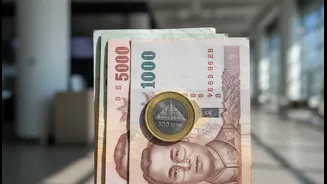
The most significant change on the horizon is the introduction of a 300 baht tourist entry fee. After years of discussion, the Thai government plans to implement this levy, often called 'Kha Yeap Pan Din' (stepping onto Thai soil), in 2026. The fee is expected
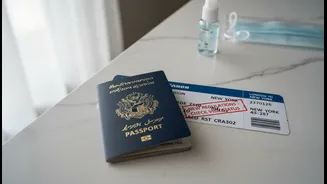
to apply to foreign tourists arriving by air, with revenue earmarked for developing tourist infrastructure and providing accident insurance for visitors. While 300 baht (roughly ₹700) might not break the bank, it's a new, mandatory expense to factor into your initial calculations. Officials have indicated the fee will likely be collected by being integrated into airline ticket prices, making the process seamless but also less visible.
Visa Rules: A Shorter Stay
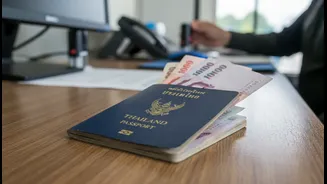
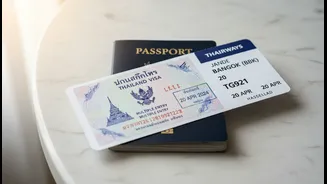
There has been recent back-and-forth on visa rules. In May 2026, the Thai cabinet approved ending the popular 60-day visa-free stay for Indians, shifting the country back to a paid Visa on Arrival (VOA) system. This caused confusion and a reported drop in bookings from the crucial Indian market. In response, as of mid-July 2026, the policy has been clarified: India will be part of a 30-day visa-free entry scheme. While this is a relief for most tourists whose trips are typically shorter, it's a significant change from the 60-day allowance previously enjoyed. Those planning longer-term stays of over 30 days must now apply for the appropriate tourist visa beforehand, which comes with its own costs.
On-the-Ground Price Hikes
Beyond official fees, the general cost of travel within Thailand is increasing. Post-pandemic, prices for hotels, food, and local transport have risen, especially in popular hubs like Phuket, Koh Samui, and even parts of Bangkok. Experts note that general living costs in tourist hotspots like Phuket are already significantly higher than in Bangkok. Factors like higher energy costs and a shift towards more upscale hotel developments are contributing to what some call the slow end of Thailand's ultra-low-cost era. While Thailand still offers great value compared to many Western destinations, the days of guesthouses for a few hundred rupees are becoming rarer in prime locations.
Tips for a Budget-Savvy Trip
Despite these changes, a trip to the Land of Smiles doesn't have to be expensive. Smart planning is now more crucial than ever. For accommodation, booking well in advance, especially for peak season, can secure better rates. Consider exploring less-crowded destinations like Chiang Rai or the Isaan region, which offer authentic experiences at a fraction of the cost of the southern islands. Embrace the local culture by eating at street food stalls and local markets, where a delicious meal can still be found for under 100 baht. Use public transport like Bangkok's BTS/MRT systems or local songthaews instead of relying solely on private taxis. Keeping an eye on the INR-THB exchange rate can also help; even small fluctuations can impact your spending power.