




Meet Galangal: The Aromatic Root
So, what exactly is galangal? Often called Thai ginger or Siamese ginger, it's a rhizome—a type of underground stem—from the ginger family, Zingiberaceae. Native to Southeast Asia, it's a foundational ingredient in Thai, Indonesian, Malaysian, and Cambodian
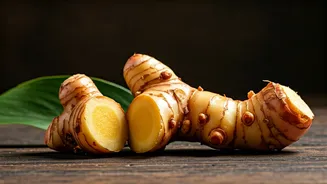
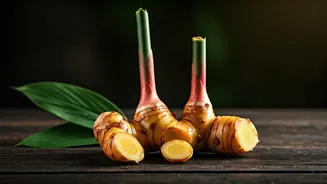
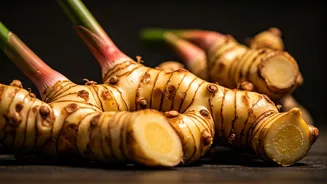
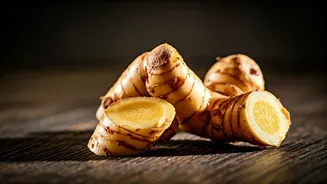
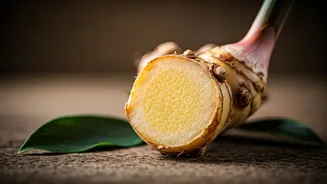
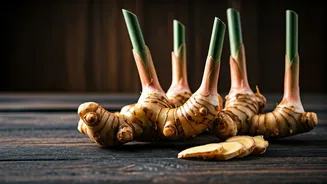
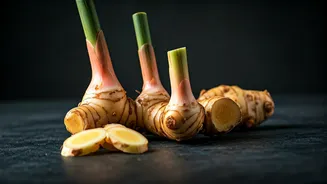
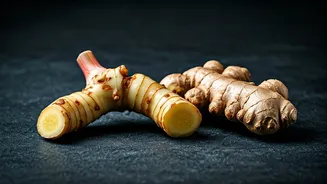
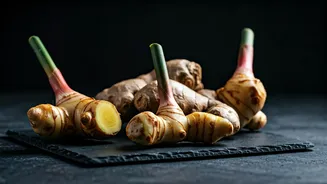
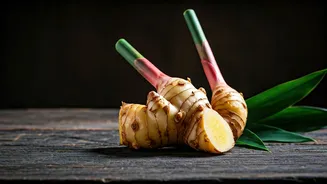
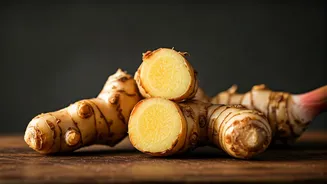
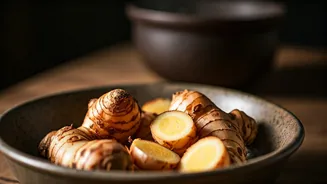
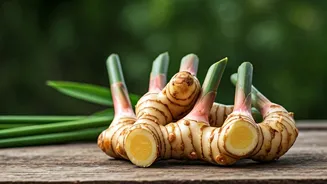
cooking. While it looks similar to ginger, galangal is its own unique spice. The skin is typically smoother and paler, sometimes with a pinkish hue, and it's marked by darker brown rings. The flesh inside is dense and often a pale, creamy white.
Not Just Another Ginger
The most common question is whether you can simply swap ginger for galangal. The short answer is no. While they are related, their flavour profiles are distinctly different, and they are not ideal substitutes for one another. Ginger is known for its pungent, spicy-sweet heat. Galangal, on the other hand, delivers a sharper, more complex flavour. It has a bright, citrusy, and almost pine-like aroma with an earthy, peppery bite. Some describe its cooling, woodsy aroma as almost medicinal, but in a refreshing way. Because of this, using one in place of the other will fundamentally change a dish.
A Star in Southeast Asian Kitchens
For centuries, galangal has been the soul of many iconic Southeast Asian dishes. In Thailand, it's known as 'kha' and is indispensable in curry pastes and famous soups like the hot and sour Tom Yum and the creamy chicken and coconut Tom Kha Gai. Its sharp flavour is essential for balancing the rich, spicy, and sour notes in these complex broths. Throughout Indonesia and Malaysia, it is a key component in dishes like Rendang and various soups and stews, providing a signature aromatic depth that is difficult to replicate.
How to Buy and Prepare Galangal
As its popularity grows, fresh galangal is becoming easier to find in Asian markets and well-stocked grocery stores. When buying fresh, look for firm rhizomes with smooth skin. Unlike ginger, its skin is tougher and generally needs to be removed with a peeler or a sharp knife. The flesh itself is very firm and fibrous. Because of its tough texture, it's rarely eaten on its own. Instead, it’s typically sliced thinly to infuse broths (and often removed before serving), or it's pounded into a paste for curries and marinades. You can also find it sold in dried slices, as a powder, or in a convenient paste form.
Easy Ways to Start Cooking
Intimidated? Don't be. Incorporating galangal into your cooking is simple. Start by adding a few thin slices to your next chicken or vegetable soup broth; just let it simmer to release its unique aroma. If you're making a stir-fry, finely grate a small amount and add it with your garlic and onions. You can also make a simple flavour paste by pounding finely chopped galangal with garlic, shallots, and chilies in a mortar and pestle. This paste can be used as a marinade for chicken or fish or as a base for a quick curry sauce. For an even simpler start, try shaving young, tender galangal raw over a salad for a surprising, spicy kick.