





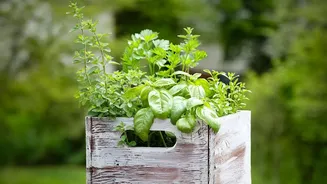
Mint (Pudina): The Resilient Favourite
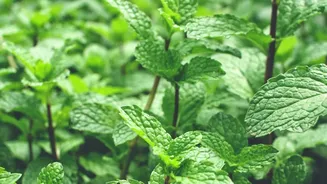
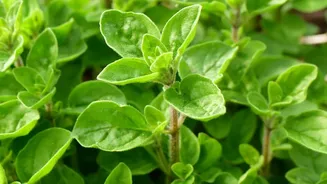
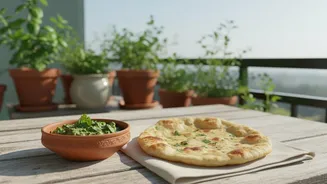
Mint is perhaps the most forgiving and easiest herb to grow in low-light conditions. It's a famously vigorous grower that actually prefers partial shade, as the harsh Indian sun can scorch its delicate leaves. Mint thrives in moist soil and spreads quickly,
meaning a single plant can provide a steady supply for your kitchen needs. Start with a cutting from a friend or a small plant from a nursery. Plant it in a container to control its enthusiastic spread. Perfect for everything from classic pudina chutney and refreshing raitas to summer coolers and soothing teas, having fresh mint on hand is a true game-changer.
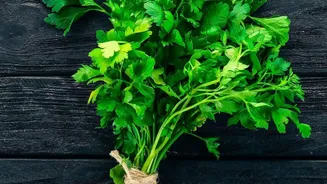
Coriander (Dhania): The Essential Garnish
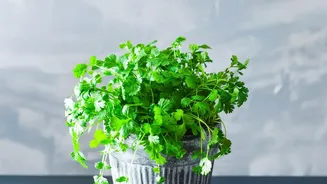
No Indian kitchen is complete without coriander, and the good news is that you can grow it even without a sun-drenched balcony. In fact, dhania often bolts (flowers prematurely) in intense heat and direct sun. Growing it in a spot that receives only four to five hours of morning sun is ideal. This partial shade helps prolong the leaf-production phase, giving you more to harvest. Coriander has a delicate root system, so it's best to sow seeds directly into your pot rather than transplanting seedlings. Keep the soil consistently moist but not waterlogged for a lush, flavourful harvest that is far fresher than anything you can buy from the market.
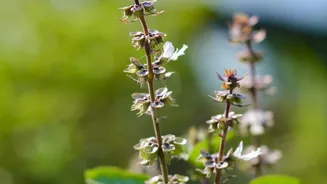
Holy Basil (Tulsi): The Sacred, Shade-Tolerant Herb
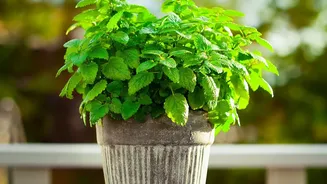
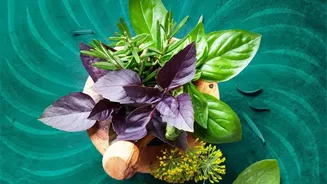
While Tulsi is known to love the sun, it is surprisingly adaptable and can grow well in partial shade. Providing at least four hours of sunlight a day is sufficient for healthy growth, and in the peak of summer, some shade can actually protect it from intense afternoon heat. There are several varieties of Tulsi, and many will thrive on a balcony with indirect bright light. Ensure your pot has excellent drainage and the soil is light and airy. Water it when the top inch of soil feels dry. Beyond its revered status and medicinal properties, fresh Tulsi leaves are perfect for herbal teas and adding a unique, peppery flavour to your diet.
Lemon Balm: The Citrus Surprise
A delightful member of the mint family, lemon balm carries a beautiful, citrusy aroma and is exceptionally tolerant of shade. It grows well in pots and prefers a location with morning sun and afternoon shade, especially in hotter climates. Like mint, it can spread, so containing it in a pot is a wise move. The plant is a hardy perennial, meaning it will come back year after year with minimal fuss. Its fragrant leaves are wonderful for making calming herbal teas, adding a zesty kick to salads and drinks, or simply rubbing between your fingers for a burst of fresh, lemony scent on your balcony.
Gotu Kola (Brahmi): The Brain-Boosting Green
Known in Ayurveda as a memory-boosting herb, Gotu Kola is a fantastic low-maintenance green that thrives in shady and moist conditions. It’s a low-growing plant that makes an excellent addition to a balcony corner that doesn't receive much direct light. Often found growing in wet, tropical areas, it prefers its soil to be consistently moist. You can grow it in a wide pan or even a hanging basket where its round leaves can trail attractively. Fresh leaves can be added to salads, blended into juices, or made into a chutney, offering both health benefits and a fresh, green flavour.
Your Balcony Garden Setup
Choosing the right container is as important as choosing the right herb. Terracotta pots are an excellent choice as their porous nature allows soil to breathe and helps prevent waterlogging, a common issue in shadier spots. Ensure every pot has drainage holes at the bottom. Use a well-draining potting mix, which is lighter than garden soil and better suited for containers. You can buy a premixed version or make your own by combining soil, compost, and sand. Start small with just one or two herbs to get a feel for your balcony's specific conditions and your gardening rhythm.