

Croatia is a jewel of the Adriatic, famed for its stunning coastline, historic towns, and crystal-clear waters. But with soaring popularity comes overwhelming crowds. Before you book a trip based on the most famous photos, consider this.
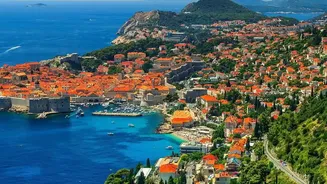
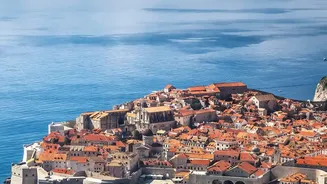
Dubrovnik's Old Town in Summer
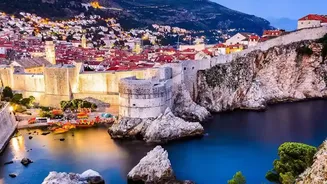
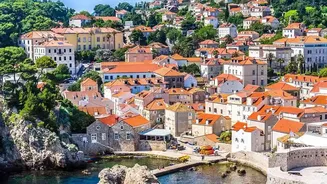
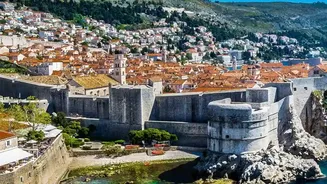
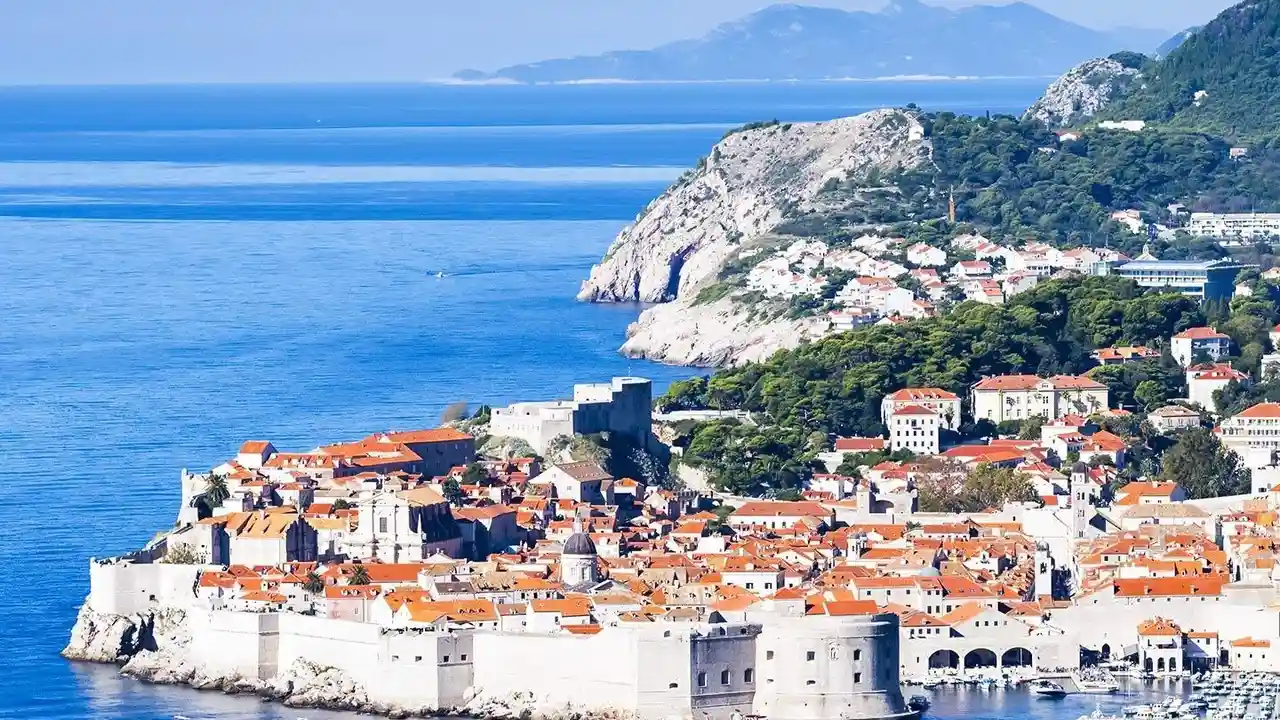
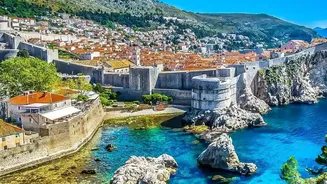
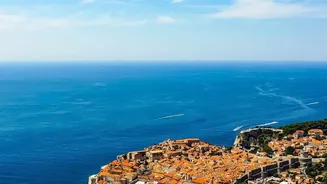
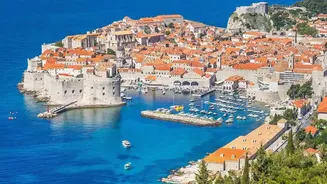
Dubrovnik's medieval
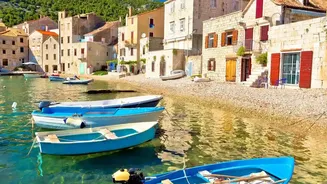
walls and stone-paved streets are undeniably magnificent, but visiting in July or August can feel less like a historical tour and more like a human traffic jam. The 'Game of Thrones' effect has turned the Old Town into a theme park, where narrow lanes are clogged with tour groups and restaurant prices on the main Stradun street are sky-high. The sheer volume of people can make it difficult to appreciate the city's profound beauty, turning a dream trip into a stressful shuffle. Instead, consider visiting Šibenik. This coastal city boasts two UNESCO World Heritage sites, including the stunning Cathedral of St. James, and a beautifully preserved medieval core that rivals Dubrovnik's but with a fraction of the crowds. Šibenik feels more like a living city than a tourist stage, offering a more authentic and relaxed Dalmatian experience. Alternatively, for a truly tranquil escape near Dubrovnik, the seaside town of Cavtat offers a gorgeous harbour and a slower pace just a short drive or ferry ride away.
Plitvice Lakes National Park in Peak Season
The cascading waterfalls and turquoise lakes of Plitvice are a natural wonder, but the experience can be diminished by the reality of peak-season tourism. Despite a timed entry system, the wooden boardwalks become incredibly congested, especially in the middle of the day. With high entrance fees and the feeling of being in a constant queue, it can be hard to connect with the nature you came to see. For a similar, yet more serene, waterfall experience, visit Krka National Park. It's closer to the popular coastal cities of Split and Zadar, making it an easier day trip. While swimming is no longer permitted at the main Skradinski Buk falls, the park's network of trails and boat trips offer stunning scenery with fewer bottlenecks than Plitvice. Another fantastic option is Rastoke, a charming village built on top of waterfalls where the Slunjčica and Korana rivers meet, often called 'the small Plitvice'.
Hvar Town for a Quiet Getaway
Hvar is often hailed as a glamorous island paradise, but Hvar Town itself has become synonymous with a high-priced party scene. While the nightlife is vibrant, it comes with exorbitant prices for accommodation and drinks, and a constant buzz that may not suit travelers seeking peace and quiet. The island's reputation often overshadows its other, more tranquil charms. For a more authentic island vibe, explore other parts of Hvar or a different island entirely. Stari Grad, on the northern side of Hvar island, is one of Croatia's oldest towns, offering beautiful cobblestone streets and a peaceful harbour without the party crowds. Alternatively, the island of Vis offers a more rugged, unspoiled experience. Once a military base and closed to foreigners, Vis retains an authentic, laid-back charm with stunning beaches like Stiniva Cove and a fascinating history. Korčula, often called 'Little Dubrovnik', provides a perfect blend of a beautiful fortified old town, excellent local wine, and a more relaxed atmosphere.
Zlatni Rat Beach for a Secluded Swim
Zlatni Rat, or the 'Golden Horn', is Croatia's most photographed beach, famous for its unique, shape-shifting pebble spit. However, its fame means it is almost always crowded. You'll be sharing the sand and sea with thousands of other visitors, especially during a day trip from Split. While visually stunning from a distance, the on-the-ground experience can be one of towel-to-towel sunbathing. For a better beach day on the same island, Brač, explore the quieter coves and bays near towns like Milna or Postira. These spots offer the same crystal-clear water and lovely pebbles without the masses. Murvica Beach, just a short distance from Bol, is a well-known but less frantic alternative. If you're seeking a truly peaceful island beach experience, consider the island of Lastovo, one of the most remote and undeveloped islands, offering pristine nature and quiet bays.
Split's Diocletian's Palace at Midday
The heart of Split is a living Roman palace, an extraordinary UNESCO World Heritage site that's a must-see. However, the central peristyle and narrow basement halls of Diocletian's Palace become incredibly congested, particularly when multiple cruise ships are in port. Navigating the crowds can be a challenge, detracting from the awe of walking through 1,700 years of history. To experience Roman history with more breathing room, explore the palace in the early morning or evening. For a fantastic alternative, visit the city of Pula in the Istria region. Pula is home to a magnificent and remarkably well-preserved Roman amphitheater, the Pula Arena, that you can explore with far fewer people. The nearby town of Trogir, another UNESCO site, offers a beautifully preserved Romanesque-Gothic old town on a small island, providing a similar historical feel to Split but in a more compact and often calmer setting.