







The 'Dry Before Wet' Philosophy
The core idea is simple yet transformative: remove all dry soil, dust, and clutter before introducing any water or liquid cleaners. When you spray a cleaner onto a dusty table or try to mop a floor that hasn't been swept, you’re not really cleaning. Instead,
you're creating a muddy paste that gets pushed around, leading to streaks, smudges, and extra work. Professional cleaners use the dry/damp rule to avoid making chores harder than they need to be. By tackling dry debris first, you ensure that the wet cleaning phase is for sanitizing and polishing, not fighting messes you could have removed easily.
Phase One: The Dry Work
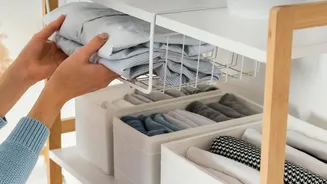
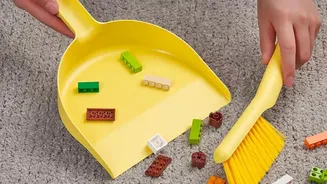
The dry phase is about removing anything that isn't stuck to a surface. Before you even think about a spray bottle, focus on these tasks. First, declutter and tidy up. This involves gathering trash, putting away items that are out of place, and clearing all flat surfaces like countertops and tables. Next, it’s time for dusting. A key rule of cleaning is to work from top to bottom, letting gravity assist you. Dust ceiling fans, light fixtures, shelves, and furniture, allowing debris to fall to the floor. Using a dry microfiber cloth is ideal, as it traps dust instead of just moving it around. The final step of the dry phase is to clean the floors. Sweep or vacuum all floors thoroughly to pick up the dust you've just displaced, along with any other dirt, crumbs, or hair. Don't skip the corners or under furniture.
Phase Two: The Wet Work
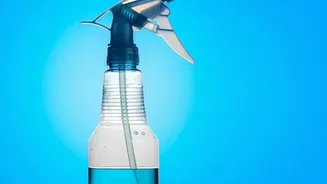
With all the loose debris gone, you can now begin the wet phase. In professional cleaning, “wet work” typically refers to the kitchen and bathrooms, which require more intensive scrubbing and sanitizing. Now is the time to use your liquid cleaners, sprays, and scrubs. Wipe down kitchen counters, appliances, and cabinet fronts. Clean sinks, toilets, showers, and tubs. Address mirrors and windows, which will now be free of the dust that causes streaks. Finally, mop the hard floors. Because you've already swept or vacuumed, your mop water will stay cleaner for longer, and you'll be lifting fine residue instead of pushing around clumps of dirt. This two-phase approach leaves your home not just looking clean, but feeling deeply sanitized.
Putting It All Together for a Home Reset
A “home reset” is about getting your space back to a functional, peaceful baseline. It’s not necessarily a deep spring clean, but a thorough tidying that makes daily life easier. To make it manageable, focus on one room at a time or set a timer. Begin by clearing clutter and trash. Then, with a dry cloth, dust everything from the top of the room down. After that, vacuum or sweep the floors, making sure to get all the fallen dust. Only then should you bring out the sprays and a mop to wipe down and polish surfaces. This methodical approach prevents you from cleaning the same area twice. For instance, you won't have to re-wipe a counter because dust from a shelf fell on it, or re-mop a floor because you dusted after the fact. It’s a smarter, not harder, way to clean that delivers a better result with less frustration.