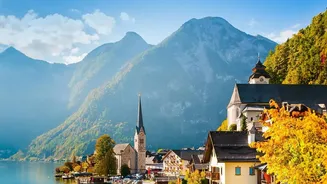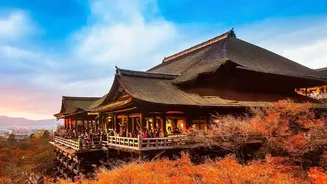





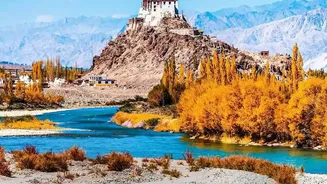

Decoding the 'Shoulder Season'
The term 'shoulder season' refers to the period just before or after a destination's peak tourist rush. For many popular international spots, especially in Europe, this means September and October. The summer crowds have thinned, but the weather remains
pleasant and most attractions are still open for business. This period is emerging as a new favourite for Indian tourists, driven by a combination of domestic festivals offering long weekends, favourable weather, and a growing desire for more relaxed travel. It’s a shift away from the traditional, rigid travel calendar towards a more fluid and opportunistic approach to planning holidays.
The Unbeatable Price Advantage
One of the most compelling reasons to travel during this time is the significant cost savings. With lower demand, airlines and hotels often reduce their prices to attract travellers. International airfares can see a substantial drop compared to the peak summer months, and accommodation can be anywhere from 10% to 40% cheaper. This allows travellers to either save money or redirect their budget towards better hotels, unique experiences, or immersive activities that might have been too costly during the high season. It's a simple case of supply and demand working in the traveller's favour, making dream destinations feel much more accessible.
More Room to Breathe and Explore
Imagine seeing Europe's iconic landmarks without being surrounded by shoulder-to-shoulder crowds or enjoying a serene beach in Southeast Asia without the peak season rush. This is the reality of shoulder season travel. Fewer tourists mean shorter queues for museums and attractions, easier restaurant reservations, and a generally more relaxed atmosphere. This can fundamentally change the quality of your trip, allowing for more spontaneous discoveries and authentic interactions. Destinations feel less hectic, giving you the space to immerse yourself in the local culture rather than just navigating through tourist bottlenecks.
Perfect Weather for Sightseeing
While travelling in the off-season can be a gamble with weather, the shoulder season often provides the best of both worlds. In many parts of Europe, the punishing heat of July and August gives way to mild, comfortable temperatures perfect for walking and sightseeing. For destinations in Southeast Asia like Thailand, Vietnam, and Malaysia, this period marks a transition away from the heavy monsoon, offering pleasant conditions before the peak cool and dry season begins. This ideal weather window allows for a wider range of outdoor activities without the discomfort of extreme heat or cold.
Top Destinations and Easier Access
The September-October window is particularly well-suited for trips to Southern Europe, where you can enjoy the last of the warm weather. Destinations in Asia like Japan, South Korea, and Vietnam are also highly recommended during their autumn season. For Indian travellers, the appeal is heightened by improved accessibility. A growing number of countries now offer visa-free entry or straightforward e-visa processes for Indian passport holders. Nations like Malaysia, Thailand, and Kazakhstan offer visa-free stays, making spontaneous getaways easier than ever to plan. This removes a significant layer of administrative hassle, adding to the flexibility of the season.