
The Foundation: Embracing Dietary Diversity
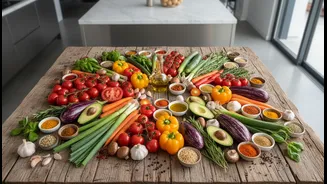
The foundation of a healthier Indian diet isn't a radical new invention; it's a return to diversity. For generations, Indian plates were a vibrant mosaic of grains, legumes, and seasonal vegetables. Today, diets have become dangerously monotonous, often
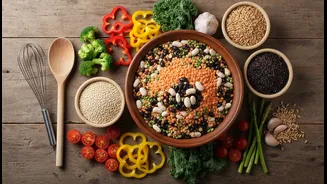
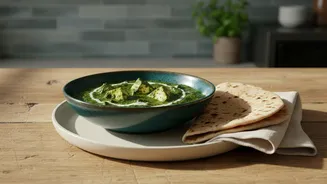
centered on refined wheat and rice. The Indian Council of Medical Research (ICMR) recently updated its dietary guidelines, emphasizing the need to eat a variety of foods. This means consciously moving beyond the usual staples to include a wider array of cereals. Millets, our ancient superfoods like jowar (sorghum), bajra (pearl millet), and ragi (finger millet), are making a comeback for good reason. They are packed with fiber, protein, and micronutrients, and have a lower glycemic index than refined grains, which helps in managing blood sugar levels. Combining different food groups, like millets and pulses in a 3:1 ratio, can enhance the overall protein quality of a meal.
Nutrient-Rich, Not Just Calorie-Dense
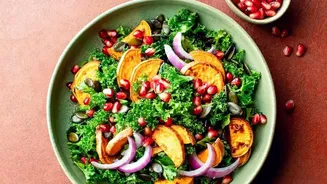
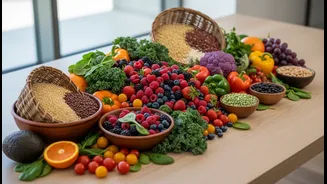
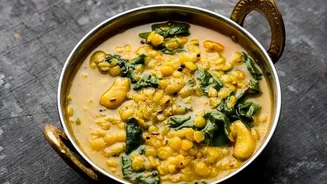
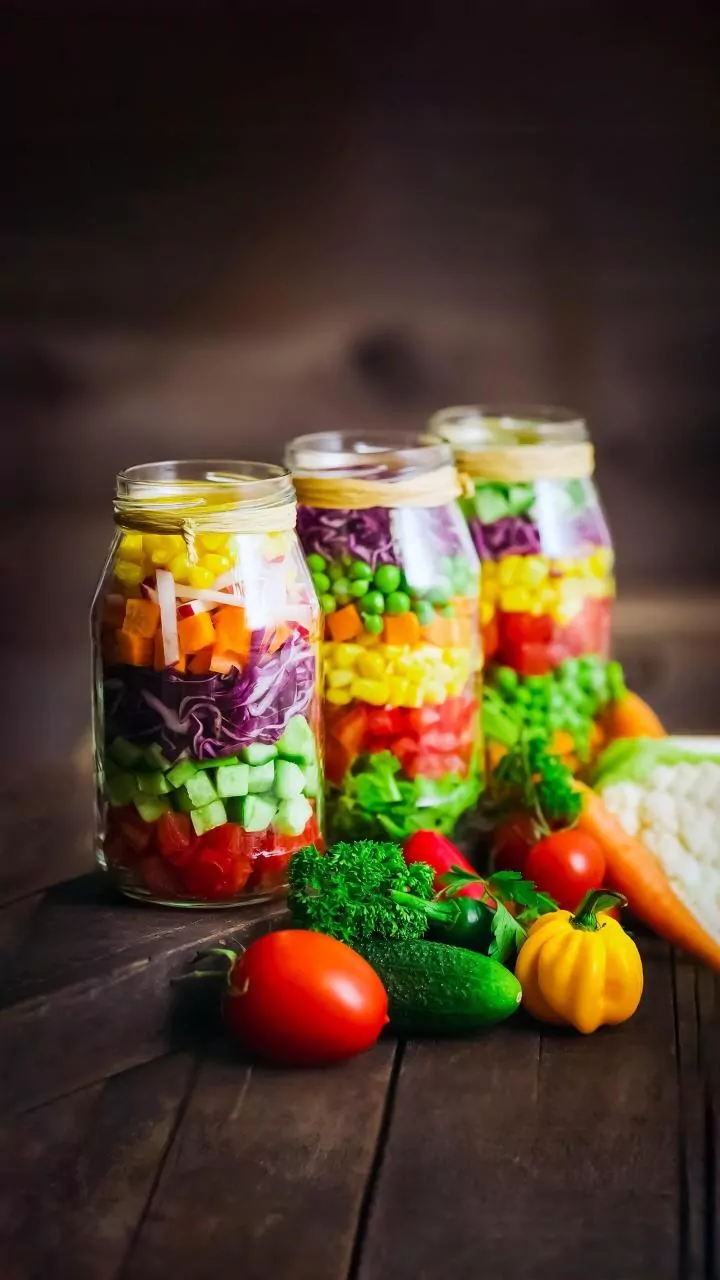
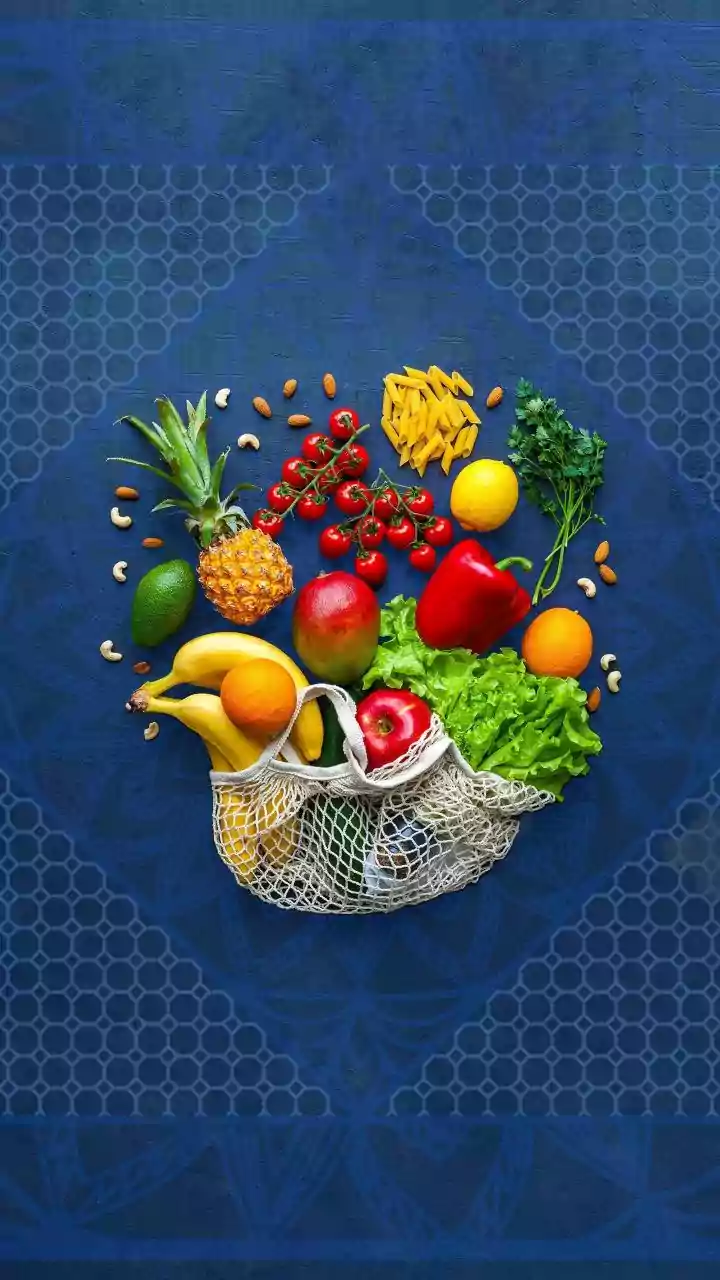
A major challenge in modern Indian diets is the overconsumption of calorie-dense but nutrient-poor foods. Ultra-processed foods—laden with sugar, unhealthy fats, and sodium—are increasingly replacing traditional, home-cooked meals. Estimates suggest that unhealthy diets contribute to over 56% of India's total disease burden. The key is to focus on nutrient density. This means choosing foods that provide vitamins, minerals, and other health-promoting compounds. The ICMR recommends that a balanced diet should derive calories from a mix of sources: no more than 45% from cereals and millets, and up to 15% from pulses, beans, and meat. The rest should come from nuts, vegetables, fruits, and milk. Pulses and legumes, staples of Indian cuisine, are excellent sources of protein and fiber. Incorporating a variety of colorful vegetables and fruits ensures a broad spectrum of essential vitamins and antioxidants. For instance, the latest guidelines suggest increasing daily vegetable intake to 400 grams.
Good for You and Your Wallet
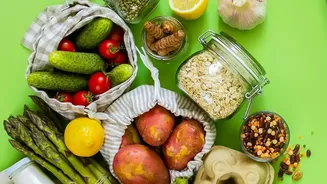
A common misconception is that healthy eating is expensive. While globally recognized healthy eating patterns like the EAT-Lancet diet can be costly to implement fully in India, a focus on local, traditional foods offers a financially sustainable path to good health. The real drain on finances often comes from the frequent purchase of ultra-processed snacks, beverages, and ready-to-eat meals. In fact, for many Indian households, expenditure on processed foods now outstrips spending on fruits. By contrast, millets, pulses, and seasonal vegetables are typically more affordable. Millets are climate-resilient crops that require less water, making them sustainable for the planet and often cheaper for the consumer. Cooking at home using whole ingredients not only provides better nutrition but also offers significant cost savings compared to dining out or relying on packaged foods. Planning meals around seasonal produce, which is often more abundant and less expensive, further enhances the affordability of a nutrient-rich diet.
Small Changes for a Big Impact
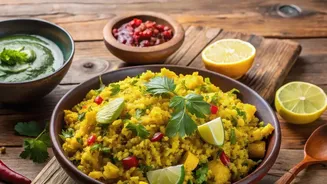
Transforming your diet doesn't require an overnight overhaul. It can begin with small, manageable changes. Start by swapping one of your refined grain meals with a millet-based one, like having jowar roti for dinner or a foxtail millet upma for breakfast. Aim to fill half your plate with vegetables at every meal, a core recommendation from health bodies. Reduce your intake of high-fat, high-sugar, and high-salt foods by reading labels and making conscious choices. Instead of reaching for a packaged snack, try roasted chickpeas or a piece of fruit. Drinking plenty of water instead of sugary beverages is another simple yet effective step. By focusing on incorporating more whole foods, increasing variety, and reducing reliance on processed options, you can steadily build a diet that is not only healthier but also more enjoyable and sustainable in the long run.