

Cosmic Data Archaeology
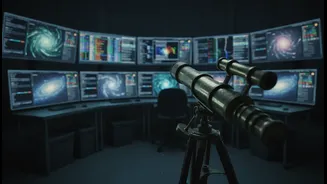
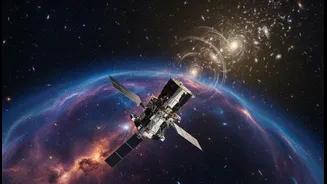
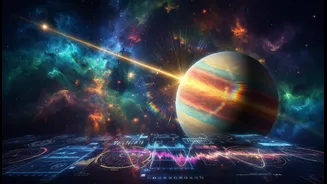
Every time a telescope like the Hubble or the James Webb observes the universe, it generates a torrent of data. For decades, these observations, made for specific scientific questions, were stored away on tapes and servers after their initial analysis.
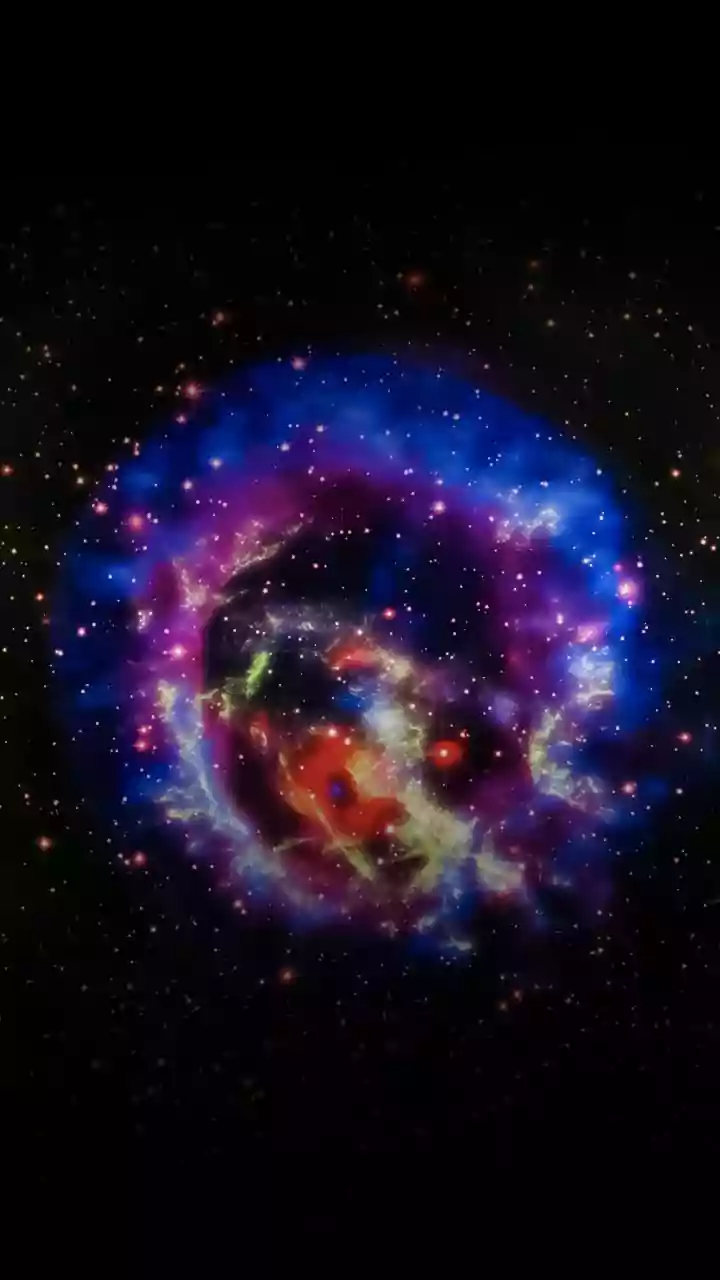
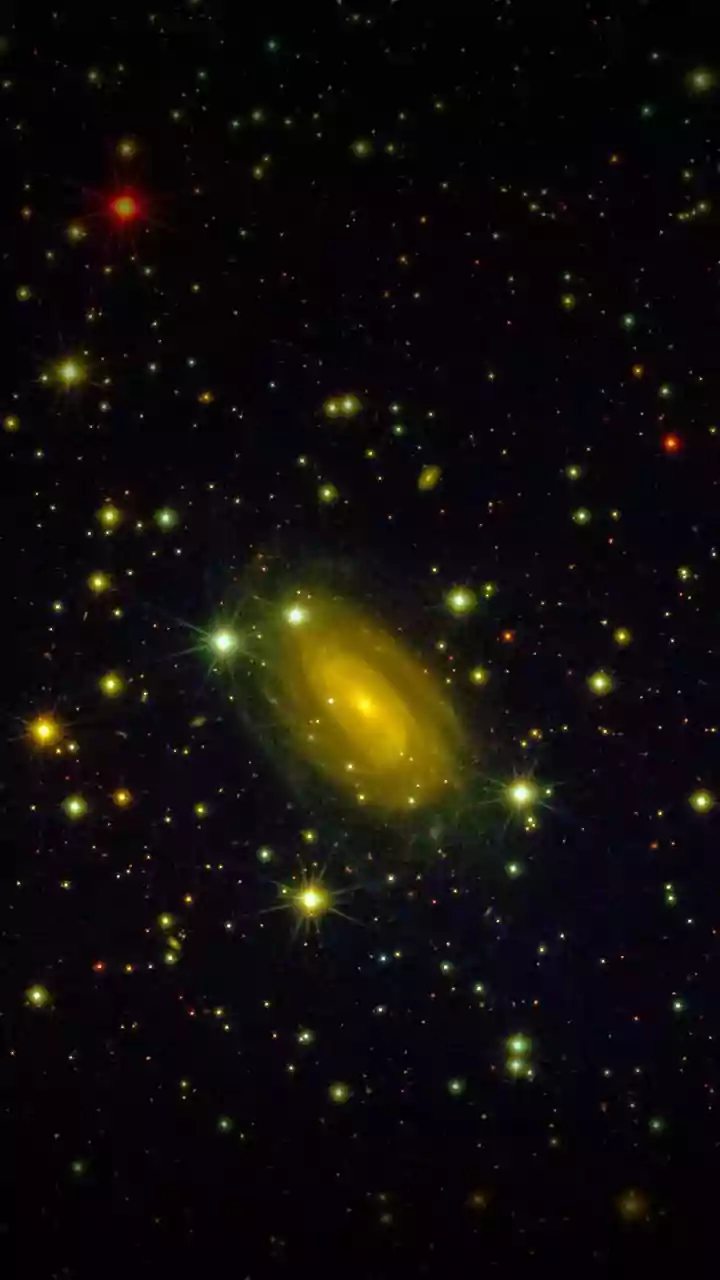
This created a colossal digital library of the cosmos, much of it holding unexamined potential. Today, this practice, often called data archaeology or archival astronomy, involves sifting through this historical data to answer entirely new questions. It’s like finding a new play by Shakespeare in an old library, except the library is a petabyte-scale database and the play is a hidden galaxy or a missing black hole.
The Power of AI and New Tools
So why now? The simple answer is power. Modern computing power and, crucially, artificial intelligence have revolutionised what’s possible. AI algorithms can be trained to spot patterns that the human eye would miss, or that would take a person hundreds of years to find manually. These AI tools can sift through millions of images or light-curve graphs in a matter of days, flagging anomalies and potential discoveries. This allows scientists to process vast archives like those from the Hubble Space Telescope or the Kepler mission, which monitored over 150,000 stars, to find the faint, tell-tale signs of distant worlds or rare cosmic events that were previously buried in noise.
Finding the Missing Pieces
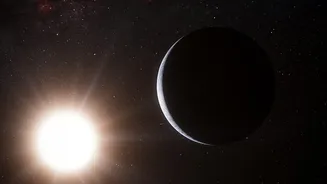
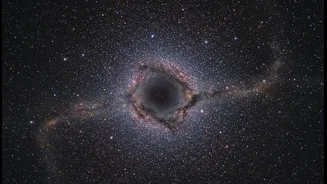
The results of this new approach are stunning. In July 2026, astronomers announced they had finally located the first stellar-mass black hole in the massive globular cluster Omega Centauri. For decades, models predicted thousands of these black holes should exist there, but none had been found. By combining over 20 years of archival data from Hubble with recent observations from the Webb telescope, a team was able to measure the tiny wobble of a star, revealing it was orbiting an unseen black hole. Similarly, another team discovered a new gas giant planet, Beta Pictoris d, after noticing a faint object in new observations and then confirming its existence by finding it hidden in archival images stretching back over a decade.
Anomalies and Unexpected Wonders
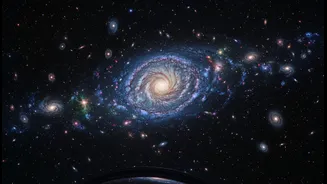
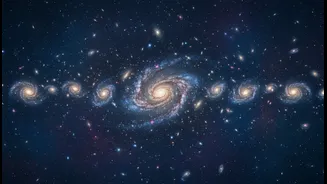
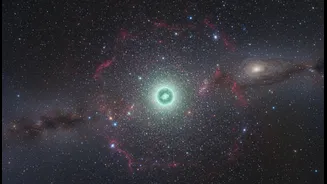
Beyond confirming theories, archival research is turning up things no one even knew to look for. One AI-assisted project searched the Hubble Legacy Archive and uncovered nearly 1,400 anomalous objects, over 800 of which had never been documented before. These included bizarre interacting galaxies with long tails of stars, rare gravitational lenses where light from a distant galaxy is bent into a ring, and so-called 'jellyfish galaxies' with trailing tentacles of gas. The AI flagged dozens of objects that defied any existing classification, opening up entirely new avenues for research. It’s a powerful reminder that the universe is far stranger than we can often imagine.
A More Sustainable Science
Archival astronomy isn't just about efficiency; it represents a more sustainable and democratic way of doing science. Building and launching new telescopes costs billions and takes decades. Re-analysing existing data is far more economical and has a much lower environmental footprint. Furthermore, many of these vast data archives are now public, allowing researchers, students, and even citizen scientists from around the world to participate in the thrill of discovery. This democratisation of data ensures that the next great cosmic insight might not come from a massive new observatory, but from a clever algorithm running on a laptop, finally unlocking a secret the universe has been keeping for years.