






A Country of Contrasts
October is a classic 'shoulder season' for weather in India. The southwest monsoon, which drenches most of the country from June to September, is in full retreat. This withdrawal is not uniform; it happens in stages, leaving behind drastically different
conditions across the subcontinent. While northern and central parts begin to dry out and enjoy pleasant, sunny days, the southern peninsula braces for a second, distinct rainy season. This meteorological divide is crucial for anyone planning travel, as an itinerary for Rajasthan will require a very different wardrobe and mindset from a trip to Kerala.
North India: Golden Sunshine and Clear Skies
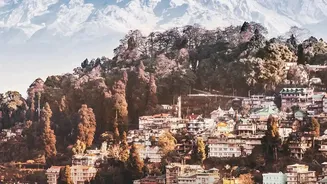
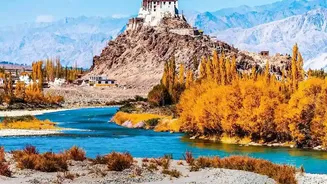
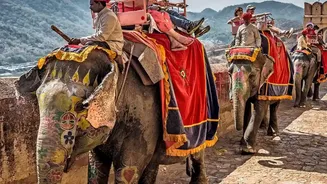
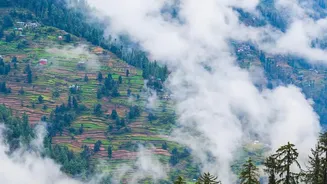
For North India, including the popular Golden Triangle circuit of Delhi, Agra, and Jaipur, October is arguably one of the best times to visit. The monsoon has typically withdrawn completely, taking the oppressive humidity with it. Travellers can expect warm, dry, and sunny days with daytime temperatures that are comfortable for sightseeing, often hovering around 30-33°C. The skies are generally clear, providing excellent opportunities for photography at iconic monuments. Similarly, the Himalayan foothills in states like Himachal Pradesh and Uttarakhand enter a period of pleasant weather, with minimal rain before the deep chill of winter sets in. The withdrawal of the monsoon from this region is expected to be complete in the first half of October.
South India: The Monsoon's Second Act
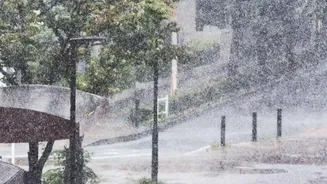
In stark contrast, South India tells a different story. As the winds reverse, the region, particularly states like Tamil Nadu, Kerala, and parts of Andhra Pradesh, welcomes the Northeast Monsoon. This season, also known as the retreating monsoon, brings significant rainfall. The India Meteorological Department (IMD) has forecast the onset of the Northeast Monsoon to be between October 15 and 21. While overall rainfall for the season is predicted to be normal, travellers should be prepared for showers and thunderstorms, especially in the latter half of the month. This doesn't mean a washout, but it does require planning for indoor activities and packing an umbrella. The landscape, however, is incredibly lush and green.
West and Central India: Drying Out
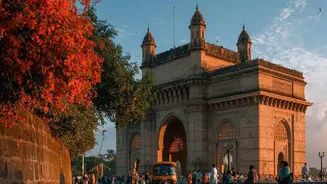
Regions like Maharashtra, Gujarat, and Madhya Pradesh are in a transitional phase. The southwest monsoon has withdrawn from many of these areas, including Mumbai, by early October. This leads to a phenomenon often called 'October heat', where temperatures can rise and humidity remains high before the cooler, drier winter air properly settles in. For travellers, this translates to hot and sometimes humid conditions, but with significantly less rainfall than in previous months. Forecasts for the first half of October suggest above-normal temperatures are likely across large parts of Maharashtra. By the end of the month, conditions generally become much more pleasant and stable.
East and Northeast: A Mixed Outlook
In eastern states like West Bengal and Odisha, the monsoon's withdrawal brings relief, making it a great time to visit, especially with the festive atmosphere of Durga Puja. The weather becomes cooler and less humid. The Northeast, including Assam and Meghalaya, may still experience lingering showers in early October, but conditions improve as the month progresses. The lush greenery following the monsoon is a major attraction, though it's always wise to check local forecasts as isolated heavy rainfall can still occur, particularly at the start of the month.
Your October Travel Game Plan
Given the varied conditions, smart planning is key. If you're heading north or to the central plains, pack light cottons, sunglasses, and sunscreen for the warm, sunny days. For the south, a waterproof jacket and umbrella are essential, along with quick-drying clothes. No matter your destination, flexibility is your best asset. Always check the short-term local weather forecast from a reliable source like the IMD before and during your trip. Booking accommodations and transport with flexible cancellation policies can also provide peace of mind. This allows you to adapt your plans, whether it's swapping an outdoor trek for a museum visit during a southern downpour or adding an extra day to soak up the sun in the north.