




That 70-Year Kachori Queue Says Everything
In an age of instant gratification, the enduring queue outside a 70-year-old kachori shop reveals deep truths about tradition and community.
An Unlikely Modern Ritual
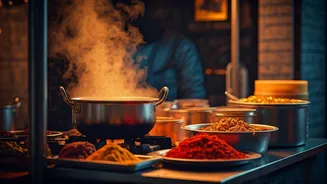
Imagine a narrow, bustling street, the air thick with the scent of sizzling dough and aromatic spices. Here, you’ll
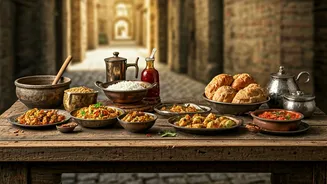
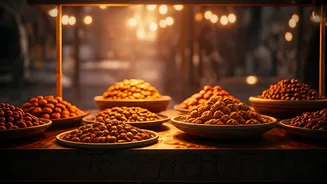
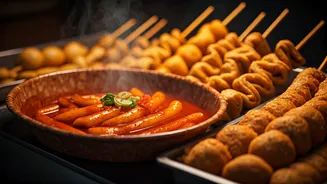
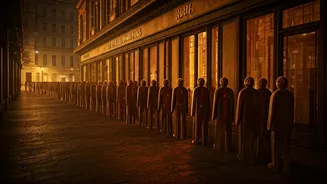
find a queue that defies modern logic. It’s made up of office workers in a hurry, elderly residents on their morning walk, and curious foodies, all waiting for a piece of history served in a leaf bowl. Establishments like Fateh Chand ki Kachori in Delhi or the legendary kachori makers of Rajasthan and Bengal have become landmarks. [16, 17] These are not trendy pop-ups; they are multi-generational businesses, often operating from the same humble, hole-in-the-wall spot for decades, serving one thing and perfecting it. [12] The line is not an inconvenience; it is part of the experience, a testament to something worth waiting for.
The Taste of Consistency
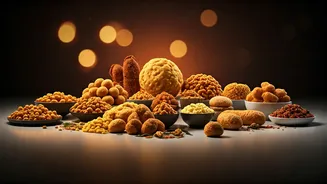
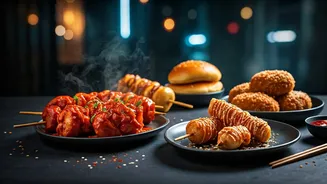
So, what makes a kachori so special that people are willing to queue for it? It's the taste of unwavering consistency. The recipe, often a closely guarded family secret, has remained unchanged for generations. [11] Whether it's the spicy lentil filling of a Khasta Kachori, the sharp aroma of a Hing Kachori, or the sweet surprise of a Mawa Kachori, the flavour is a reliable anchor in a changing world. [9, 18] These vendors, who have been supporting their families through this trade for decades, understand that their reputation is fried into every single piece. [6] It’s a promise of quality that no ghost kitchen or fast-food chain can replicate. The knowledge that the kachori you eat today tastes exactly like the one your grandfather might have enjoyed 50 years ago is a powerful draw. [14]
A Currency of Trust and Community
The queue is more than a line; it's a physical manifestation of trust. In an era of paid reviews and fleeting social media hype, this daily gathering is an authentic, un-sponsored endorsement. It signifies a collective belief that this product is genuine. This act of waiting together also fosters a unique, temporary community. [13] Strangers stand side-by-side, united by a shared craving. Conversations spark, stories are exchanged, and a sense of camaraderie builds. [6] For many regulars, it’s a social event, a fixed point in their day where they connect with their city and its people. It brings together individuals from all walks of life, proving that a love for good food can bridge social and economic divides. [13]
The Psychology of the Wait
There's a fascinating psychology behind why we willingly wait in line for food. The effort of waiting can actually enhance the reward. [4] The anticipation builds, and by the time you finally have the hot, crispy kachori in your hand, the satisfaction is heightened. [8] This is what researchers call delayed gratification, and it makes the final product feel more valuable. [8] Furthermore, seeing a long queue acts as social proof; if so many people are waiting, it must be good. [2] This 'mob psychology' creates a sense of belonging and a desire to be part of an envied group that has access to something special. [2] The wait itself becomes a story, a small 'struggle' that makes the food taste even better. [4]
What the Queue Really Says
Ultimately, that 70-year queue says that we still crave authenticity. It says that tradition, when it’s rooted in genuine quality, can outlast any trend. It tells us that some of the most valuable things in life aren’t available at the click of a button. [5] Street food in India is not just sustenance; it’s a reflection of cultural heritage and social fabric. [7, 10] These legacy establishments are living museums of culinary history. [11, 18] The queue is a vote for the small, family-run business over the anonymous corporation. It’s a declaration that we still value craftsmanship, community, and the simple, profound joy of eating something made with dedication and love.