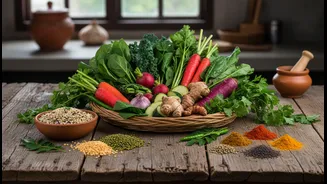








1. Ginger (Adrak)
A staple in Indian kitchens, ginger is a monsoon powerhouse. Its anti-inflammatory and antiviral properties make it excellent for fighting off colds and throat infections. A warm cup of ginger tea not only soothes a sore throat but also aids digestion,
which tends to be sluggish during this season. It helps prevent the bloating and nausea that can be common monsoon complaints.
2. Turmeric (Haldi)
This golden spice is famed for its active compound, curcumin, which has powerful anti-inflammatory, antibacterial, and immunity-boosting properties. Adding a pinch of turmeric to your milk, soups, or daily cooking helps fortify your body against seasonal infections. Its ability to fight germs makes it a crucial part of any monsoon diet.
3. Garlic (Lehsun)
Don't underestimate the humble garlic clove. It's packed with antibiotic and antifungal properties that help strengthen your body's defenses against monsoon illnesses. Regular intake can help protect against infections and boost your overall immunity. While its flavour is strong, incorporating it into cooked meals is an easy way to reap its benefits.
4. Probiotics like Yogurt (Dahi)
Gut health is directly linked to immunity, and the monsoon can be tough on our digestive systems. Probiotic-rich foods like fresh yogurt and buttermilk help maintain a healthy balance of gut bacteria. This aids digestion, prevents stomach issues, and strengthens your body's ability to fight off pathogens. Opt for fresh, homemade curd and avoid consuming it late at night.
5. Seasonal Fruits (Jamun and Pomegranate)
Nature provides the best remedies. Monsoon fruits like Jamun (black plum) and pomegranate are packed with vitamins and antioxidants. Jamun is excellent for digestion and has properties that can help manage blood sugar levels. Pomegranate is a rich source of antioxidants that boost immunity and help maintain healthy blood circulation. These fruits provide vital nutrients to keep you energetic during the damp weather.
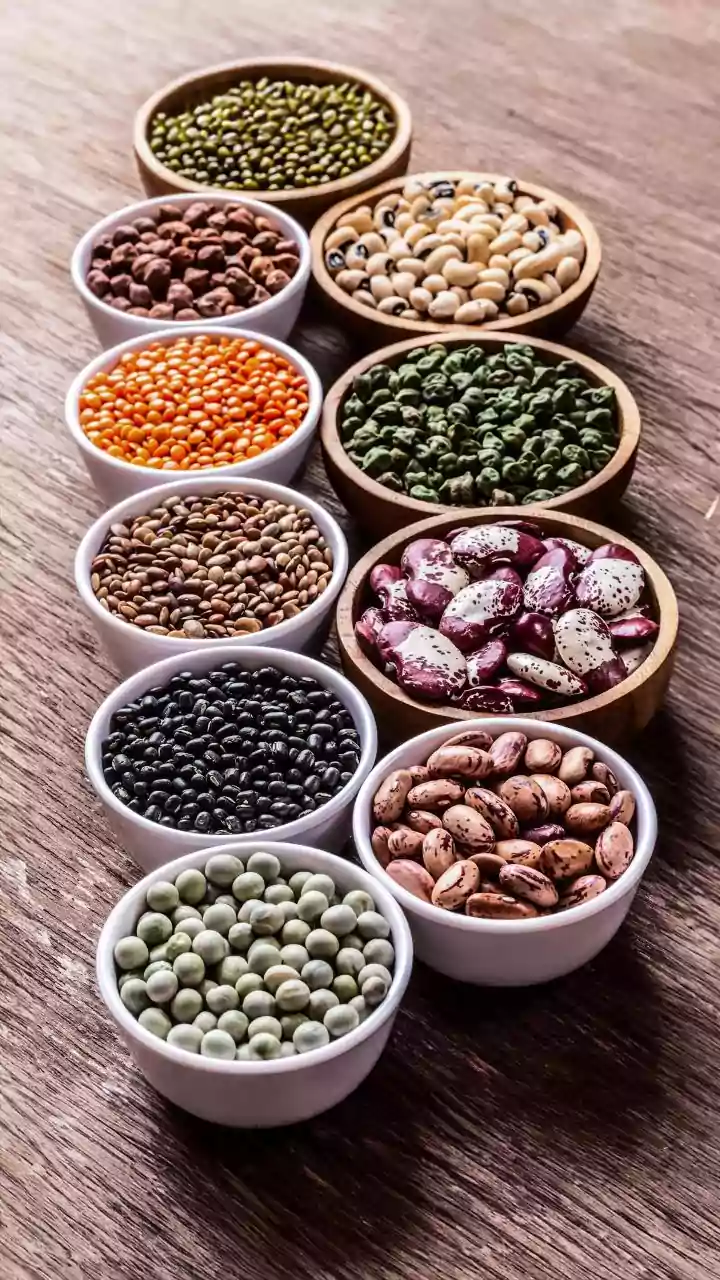
6. Pulses and Lentils (Dal)
Warm, light, and easy to digest, dals are a perfect monsoon food. A bowl of moong dal soup or a simple khichdi provides essential protein without burdening the digestive system, which is naturally weaker during this season. They provide sustained energy and key nutrients to keep you healthy and strong.
7. Warm Soups
Swapping cold salads for warm vegetable soups is a smart monsoon move. Soups are hydrating, nourishing, and incredibly comforting on a rainy day. They are easy to digest and can be packed with immunity-boosting ingredients like ginger, garlic, and black pepper. A simple mixed vegetable or lentil soup is a great way to get your nutrients while staying warm.
8. Herbal Teas
A warm cup of herbal tea is both soothing and beneficial. Teas infused with tulsi, ginger, lemon, or cinnamon have antimicrobial and anti-inflammatory properties that help ward off infections like the common cold and flu. These drinks keep you hydrated and can aid digestion. They are a much healthier alternative to caffeinated and cold beverages.
9. Nuts and Seeds
A small handful of almonds, walnuts, or pumpkin seeds can go a long way in supporting your health. They are rich in healthy fats, Vitamin E, protein, and minerals like zinc, which are all essential for a strong immune system. Almonds, in particular, are known to reduce the risk of respiratory infections. Instead of reaching for fried snacks, munch on these nutritious alternatives.
10. Bitter Vegetables (Karela and Neem)
While not everyone's favourite, bitter vegetables like bitter gourd (karela) and neem have powerful medicinal properties. They are known to have infection-fighting and immunity-boosting qualities that are especially useful during the monsoon. Including them in your diet, even in small amounts, can help protect you from seasonal ailments by keeping your system clean.