







The Problem with a Quick Spritz
Synthetic room sprays offer instant gratification. A few pumps and any unpleasant odour is replaced by “Ocean Breeze” or “Linen Fresh.” However, the convenience may mask a less pleasant reality. Many mass-produced air fresheners contain a cocktail of synthetic
chemicals, including volatile organic compounds (VOCs). When you spray these products, VOCs like formaldehyde and acetone are released into your indoor air. While a single spray is unlikely to cause harm, repeated, long-term exposure in poorly ventilated spaces has been linked by health organisations to respiratory irritation, headaches, and allergy symptoms. The ingredient lists often hide behind the generic term “fragrance,” a catch-all that can conceal hundreds of different chemicals, including phthalates, which some studies have linked to endocrine disruption. It’s not about fear-mongering; it's about being aware of what we’re introducing into the air we breathe every day.
The Return to a Natural Ritual
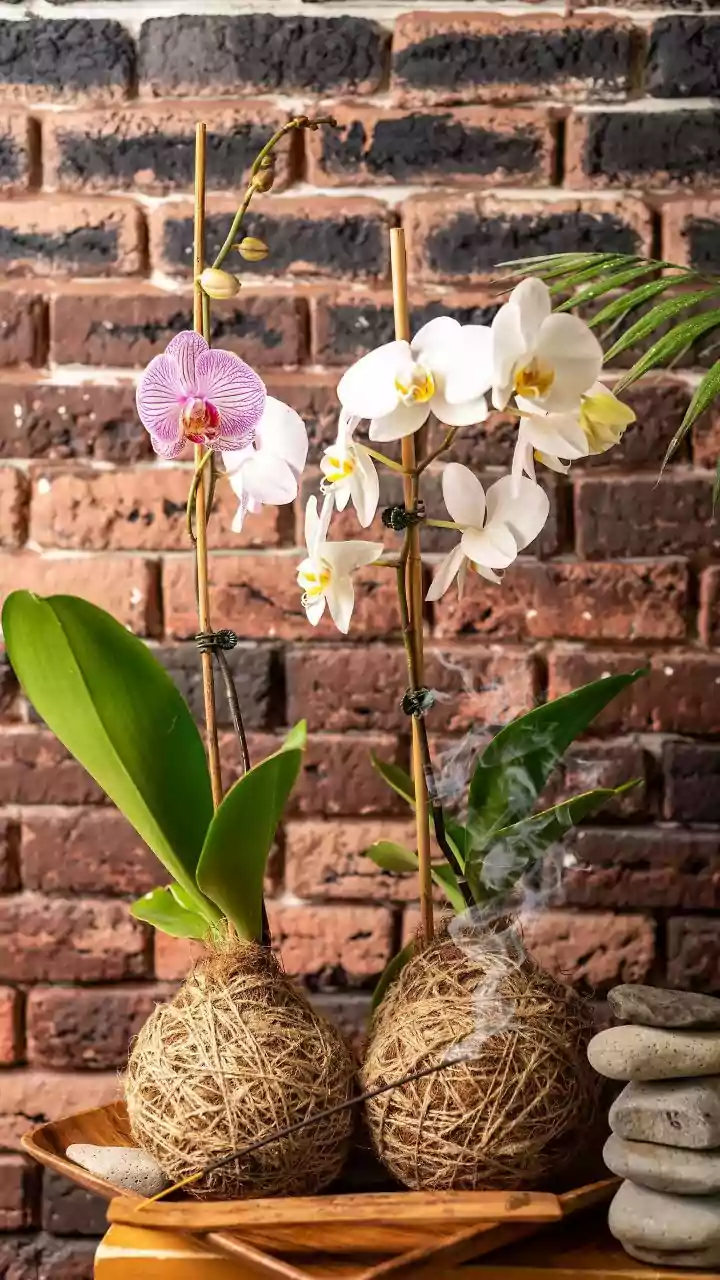
Before chemical sprays became the norm, people used natural materials to scent their homes. Incense, derived from aromatic plant materials, has been used for centuries across cultures for rituals, meditation, and simply creating a pleasant atmosphere. Cedarwood, in particular, has a rich history. Sourced from trees known for their longevity and strength, its fragrance is woody, warm, and grounding. Unlike a synthetic spray that merely covers up odours with a powerful chemical scent, true cedarwood incense releases a complex, natural aroma that cleanses the air and engages the senses in a more subtle, profound way. It’s a shift from a quick fix to a mindful ritual, a deliberate act of lighting the stick and watching the fragrant smoke curl upwards, transforming the energy of a room.
Beyond Scent: The Benefits of Cedarwood
The appeal of cedarwood goes far beyond its pleasant smell. In aromatherapy, cedarwood essential oil is celebrated for its calming and grounding properties. Its earthy scent is believed to help reduce anxiety, promote relaxation, and encourage a sense of security and stability. When you burn natural cedarwood incense, you are releasing these same aromatic compounds into your environment. This practice, known as fumigation, is an ancient method for purifying a space, not just from bad smells but from stagnant energy. The gentle, lingering aroma can help create a sanctuary for focus, meditation, or unwinding after a long day. It’s an active way to curate your home’s atmosphere, turning it from a place you just exist in to a space that actively supports your well-being.
Why 'Handcrafted' and 'Local' Matter
Not all incense is created equal. The cheap sticks you find in bargain bins are often no better than synthetic sprays, dipped in artificial fragrance oils and bound with chemical adhesives that release potentially harmful substances when burned. This is where the terms “handcrafted” and “local” become crucial. Local artisans who create incense by hand typically use high-quality, natural ingredients: pure wood powders, plant resins, and genuine essential oils. They avoid chemical accelerants, ensuring a cleaner, slower, and more authentic burn. Choosing to buy from a local maker is not just a vote for a better product; it’s an investment in your community. You are supporting a small business, celebrating traditional craftsmanship, and ensuring you know exactly what is going into the air your family breathes.
How to Make the Switch Safely
Embracing natural incense is simple, but it’s best done mindfully. First, always prioritise safety. Burn your incense stick in a proper, stable holder that catches the ash, and place it on a heat-resistant surface away from flammable items like curtains or papers. Most importantly, ensure good ventilation. Open a window slightly to allow the smoke to circulate and disperse, preventing it from becoming overwhelming. This is key to enjoying the benefits without irritating your lungs. When shopping, look for labels that specify “100% natural,” “plant-based,” or “charcoal-free.” Ask questions and engage with the maker if you can. By making this conscious choice, you’re not just choosing a scent; you’re adopting a practice that is better for your home, your mind, and your community.