


The aroma of fresh thyme can elevate any kitchen, but success with this hardy herb begins long before the first harvest. The secret lies not in complicated care, but in its home: the container. Choosing the right pot is the foundational first step.
Why the Pot Is Paramount
Thyme
is a Mediterranean herb, meaning it evolved in dry, sunny, and gritty conditions. Its greatest enemy is not neglect, but excessive moisture. The most common mistake gardeners make is overwatering, which leads to root rot, a condition from which thyme rarely recovers. A plant that looks wilted despite wet soil is often a sign of drowning roots, not thirst. The container is your first and most important line of defense against this, creating an environment that mimics its native habitat by managing water effectively. Before you even think about soil or sunlight, getting the pot right sets your thyme up for a long, productive life.
Material Matters: The Terracotta Advantage
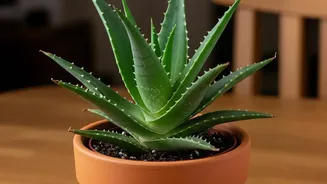
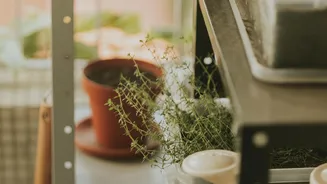
When it comes to materials, unglazed terracotta (clay) is the undisputed champion for growing thyme. Terracotta is porous, allowing air and moisture to pass through the walls of the pot. This 'breathing' action helps the soil dry out more evenly and quickly, preventing the soggy conditions that thyme despises. Plastic or glazed ceramic pots, by contrast, are non-porous and retain moisture for much longer. While they can work, they leave very little room for watering errors. If you do choose a decorative glazed pot, it is often best to use it as a cachepot—a decorative outer container—while keeping the thyme in a separate, basic nursery pot with plenty of drainage that you can lift out for watering.
Finding the 'Just Right' Size
It can be tempting to give a new plant a large pot to grow into, but for thyme, this is a mistake. A pot that is too large holds an excessive volume of soil, which stays wet for too long around a small root system, increasing the risk of rot. Thyme has a relatively shallow, spreading root system, so it values width more than excessive depth. A good starting point for a single young thyme plant is a pot that is 6 to 8 inches in diameter. This size provides enough room for growth without creating a swampy soil environment. As the plant becomes established and its roots fill the pot, you can then move it to a slightly larger container.
The Non-Negotiable: Excellent Drainage
If there is one rule that cannot be broken, it is this: your thyme's container must have drainage holes. Without an escape route, excess water will pool at the bottom of the pot, saturating the roots and inevitably causing rot. Most terracotta pots come with a single, large hole, which is sufficient. Some plastic pots feature multiple smaller holes. Whatever the configuration, ensure it is open and unobstructed. It's a common myth that adding a layer of gravel to the bottom of a pot without holes improves drainage; in reality, it can actually create a waterlogged layer just above the gravel where the roots sit. Always choose a pot with holes, and always empty the saucer beneath it shortly after watering so the plant is never left sitting in runoff.
Complementing the Container with the Right Soil
The perfect container is only half the battle; it needs to be filled with the right kind of soil. A standard, dense potting mix will retain too much water, undoing the benefits of your carefully chosen pot. Thyme thrives in a lean, gritty, welldraining soil. You can buy a premade mix for cacti and succulents, which is an excellent choice. Alternatively, you can create your own by mixing standard potting soil with about onethird to onehalf grit, such as coarse sand, perlite, or fine gravel. This creates a light, airy medium that allows water to flow through freely, keeping the roots healthy and mimicking the rocky Mediterranean hillsides where thyme naturally grows.