
Kabini (Nagarhole National Park), Karnataka
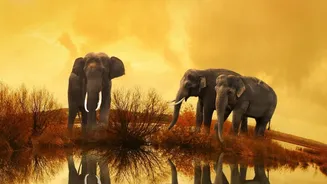
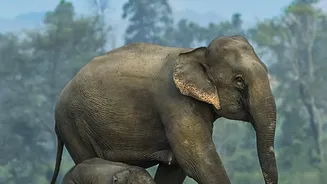
Part of the Nilgiri Biosphere Reserve, Kabini is arguably one of the best places for a monsoon safari as it remains open year-round. The landscape, washed clean by the rains, becomes exceptionally vibrant. The Kabini reservoir fills up, attracting large
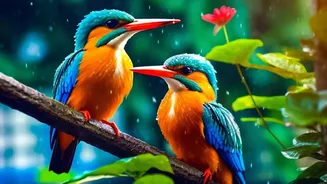
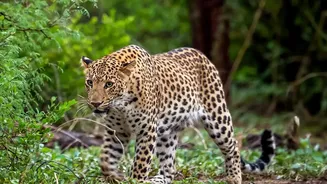
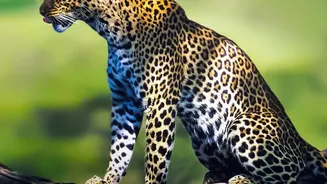
herds of elephants that come to the banks to drink and play. Boat safaris on the river offer a unique perspective, allowing you to spot crocodiles, a plethora of bird species, and sometimes even a leopard or tiger near the water's edge. The monsoon makes the forest dense and mysterious, and the reduced crowd means a more intimate and peaceful wildlife experience. Keep an eye out for the elusive black panther, for which this region is renowned.
Periyar National Park, Kerala
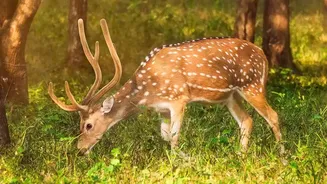
Nestled in the mist-laden Western Ghats, Periyar is a paradise during the monsoon. The park is famous for its boat cruises on the scenic Periyar Lake, which continue to operate throughout August. From the safety of the boat, you can witness herds of elephants, Indian gaur (bison), sambar deer, and wild boars against a backdrop of dense, green forests. The rains bring a freshness to the air and a quiet that is only broken by birdsong. Periyar is home to over 260 species of birds, making it a fantastic destination for birdwatchers. While tiger sightings are rare, the overall experience of floating on the tranquil lake surrounded by thriving wilderness is unforgettable.
Tadoba Andhari Tiger Reserve, Maharashtra
While the core zones of most tiger reserves close during the monsoon for breeding season and safety, Tadoba keeps several of its buffer zones open for safaris. These buffer areas have become excellent wildlife viewing destinations in their own right, with frequent sightings of tigers, leopards, sloth bears, and wild dogs. The monsoon transforms the dry deciduous forest into a lush, green carpet, offering a dramatic setting for wildlife photography. The reduced number of tourists means less competition for safari slots and a more serene journey through the rain-washed tracks. August is a great time to see herbivores enjoying the fresh vegetation and predators on the move.
Jim Corbett National Park, Uttarakhand
As India's oldest national park, Jim Corbett has a special charm. While its famous core zones like Dhikala and Bijrani are closed during the monsoon, several buffer zones including Jhirna, Dhela, and Sitabani remain open throughout the year. These areas offer a genuine wilderness experience with good chances of spotting elephants, leopards, deer, and a variety of birds. The Ramganga river swells with the monsoon rains, and the landscape becomes intensely green and full of life. The monsoon is also considered the mating season for many animals, offering a chance to witness unique behaviours. For those who appreciate solitude and lush scenery, a monsoon safari in Corbett's open zones is a rewarding adventure.
Ranthambore National Park, Rajasthan
Known for its dramatic landscape featuring a 10th-century fort, Ranthambore partially remains open for wildlife enthusiasts in August. While the core zones (1-5) are closed, the buffer zones from 6 to 10 are accessible for safaris. The monsoon breathes new life into the dry Aravalli hills, turning the landscape green and picturesque. Tiger sightings are still possible in these zones, along with other animals like leopards, nilgai, and jackals. The dramatic monsoon skies and greener surroundings offer a completely different photographic experience compared to the dry season, and with fewer visitors, the safaris feel more exclusive.