
Planning Your Trip: When to Go
Sohra, also known as Cherrapunji, offers a different experience with each season. For the most dramatic, roaring waterfalls and a landscape shrouded in mist, the monsoon months from June to September are ideal. However, this period can bring travel disruptions.
For clearer skies, pleasant weather, and ideal trekking conditions, plan your trip between October and February. The post-monsoon period, particularly October and November, strikes a perfect balance, offering lush post-rain greenery and waterfalls that are still full, but with more comfortable and drier trekking trails.
Getting to Sohra on a Budget
Your journey will likely start from Guwahati, which has the nearest major airport and railway station. From Guwahati, the most common route for backpackers is to take a shared Sumo or car to Shillong, the capital of Meghalaya. These shared taxis are available from outside the Guwahati railway station (Paltan Bazar) or from the Khanapara bus stand. The trip to Shillong takes about three hours. From Shillong, you'll need to get to the Bara Bazar sumo stand to find another shared taxi heading to Sohra. This second leg of the journey takes approximately two hours, winding through scenic hill roads. A direct private taxi from Guwahati to Sohra is faster but significantly more expensive.
The Main Quest: Trekking to the Living Root Bridges
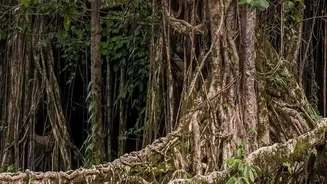
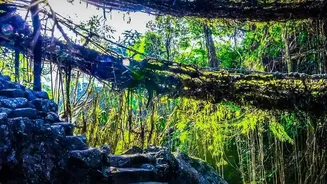
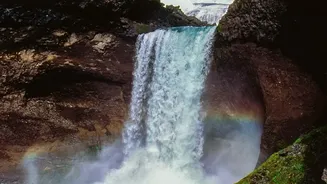
The most famous of Meghalaya's bio-engineered wonders is the Double Decker Living Root Bridge, located in Nongriat village. This is not a roadside attraction; reaching it requires a challenging but rewarding trek. The starting point for the trek is Tyrna village, which is about a 30-minute drive from Sohra. From Tyrna, the trail descends roughly 3,500 stone steps into a dense, tropical valley. The downhill journey takes about 1.5 to 2 hours. Along the way, you will cross swaying suspension bridges and pass smaller, single-decker root bridges. The Double Decker bridge itself is an incredible sight, spanning a river with two tiers of intertwined roots. For an even bigger reward, you can trek a further 90 minutes from Nongriat to reach the stunning Rainbow Falls, which cascades into a turquoise pool.
Where to Stay: Backpacker Havens
Sohra and the surrounding areas offer several budget-friendly options for backpackers. In Nongriat village, at the base of the trek, you can find basic homestays for a minimal cost, allowing you to experience the root bridges at dawn before the day-trippers arrive. These are simple accommodations, often with shared bathrooms and no frills, but they provide an authentic experience. In Sohra town itself, there are various guesthouses and homestays that cater to budget travellers. It is a popular base for exploring the region's waterfalls and caves. Booking in advance is recommended, especially during the peak tourist season from November to February.
Chasing Sohra's Magnificent Waterfalls
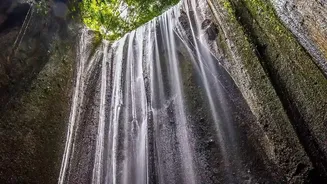
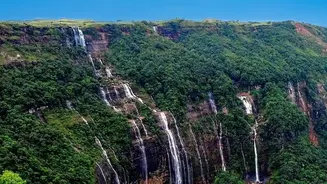
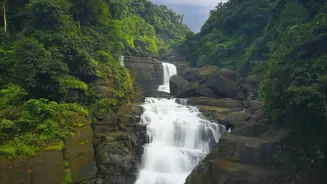
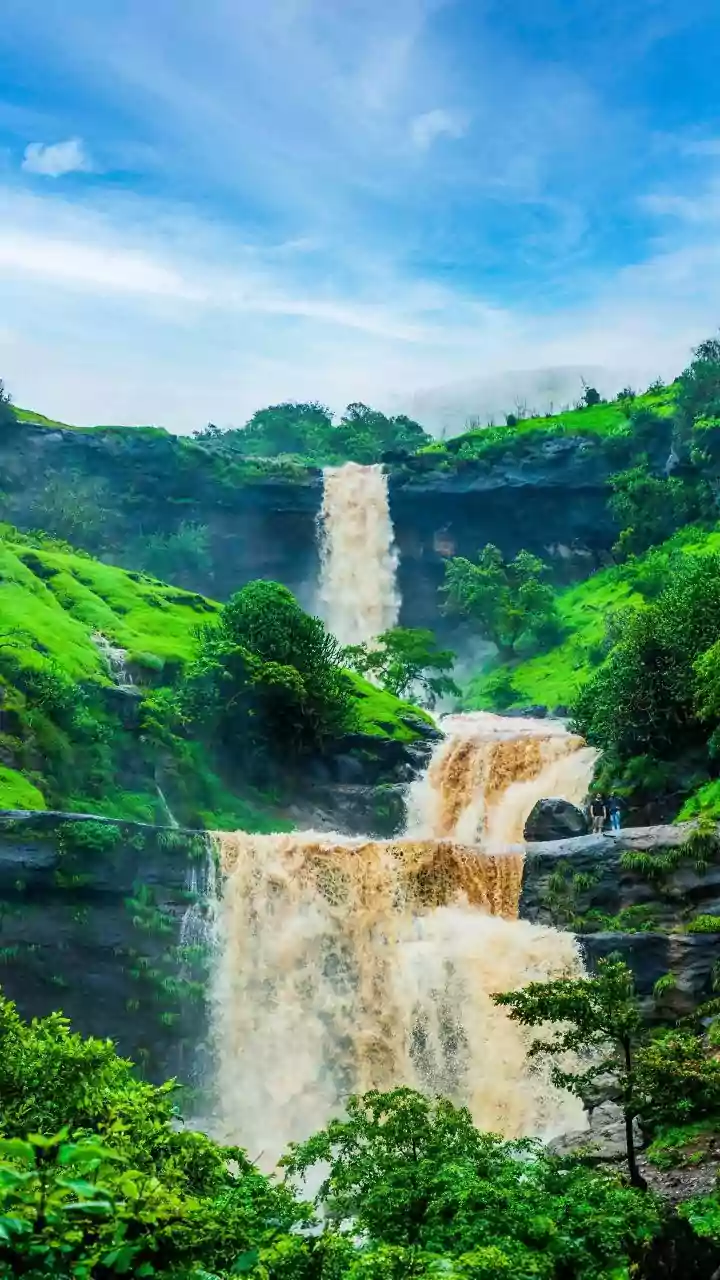
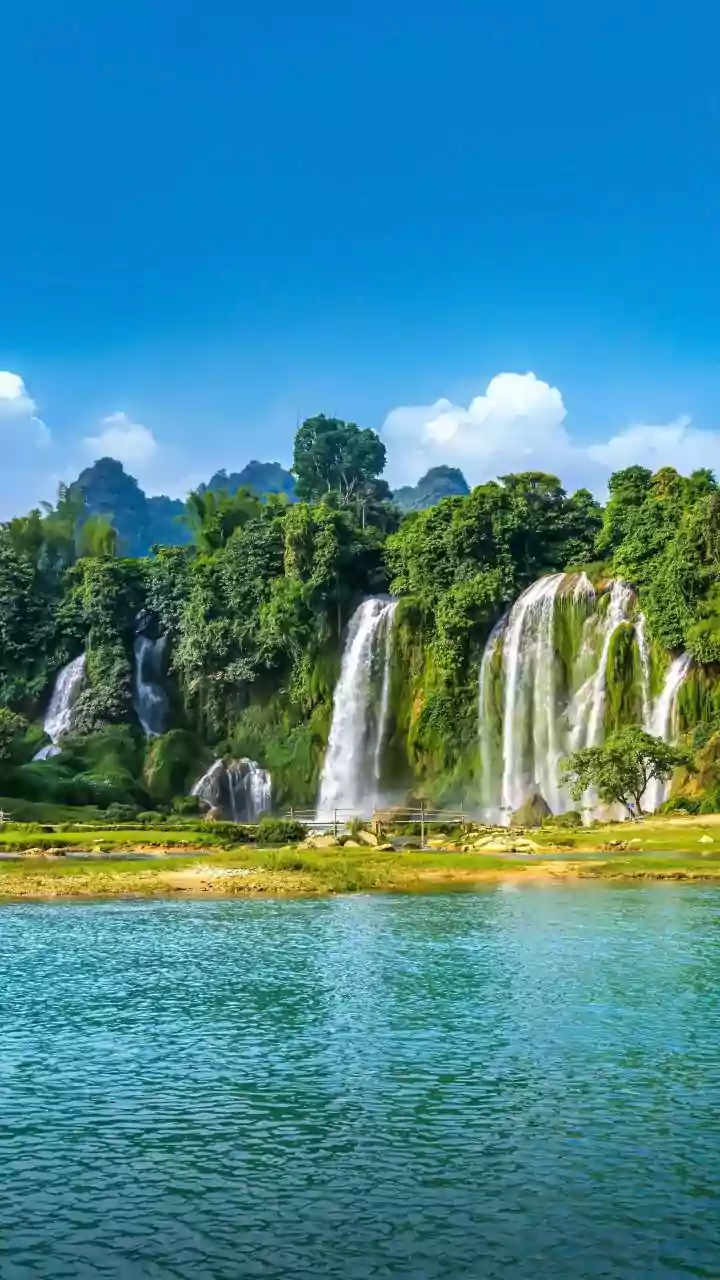
Sohra is famed for its spectacular waterfalls, which are best seen during or just after the monsoon. The most practical way to see them is to hire a local taxi for a day of sightseeing. Key waterfalls to include on your list are Nohkalikai Falls, one of India's tallest plunge waterfalls, and the Seven Sisters Falls (Nohsngithiang Falls), a seven-segmented cascade that stretches across limestone cliffs. Another must-see is Dainthlen Falls, which is tied to local Khasi folklore. For a unique, three-tiered waterfall, make your way to Wei Sawdong, though reaching it requires a short but steep and often slippery trek down.
Essential Tips for the Modern Backpacker
Packing smart is crucial for a trip to Sohra. Rain gear is non-negotiable, regardless of the season, as weather can change rapidly. Good trekking shoes with a solid grip are essential for the slippery steps to Nongriat. Carry a small daypack for the trek with water, snacks, and a basic first-aid kit. While trekking to Nongriat, consider leaving your main luggage at your guesthouse in Sohra and only taking essentials. Finally, always carry cash, as ATMs are scarce outside of the main towns, and digital payments may not be available in remote villages like Nongriat.