


What Makes a Food ‘Hyper-Palatable’?
The term 'hyper-palatable' sounds complex, but it describes something we all intuitively know: foods that are so delicious they’re hard to stop eating. Food scientists define these as items engineered with specific combinations of fat, sugar, sodium,
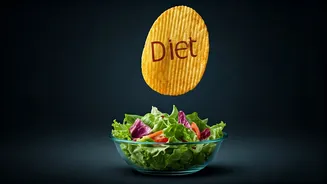
and carbohydrates that our brains find intensely rewarding. Think of the perfect crisp: it has the satisfying crunch (carbohydrates), a hit of salt (sodium), and just enough fat to carry the flavour. This trifecta is rarely found in nature. It's a combination designed to hit a 'bliss point', stimulating the brain's reward centers and making it difficult to stop at just one. So-called 'diet' or 'baked' crisps often fall into this category. While they may have slightly less fat than their fried counterparts, manufacturers often compensate by adding more sodium or refined carbohydrates to maintain that irresistible taste and texture.
Meet Your Hunger Hormones: Ghrelin and Leptin
To understand why these snacks leave you wanting more, we need to meet two key players in your body’s appetite regulation system: ghrelin and leptin. Think of them as the 'go' and 'stop' signals for eating. Ghrelin is often called the 'hunger hormone'. Produced primarily in the stomach, its levels rise when you haven't eaten, sending a powerful 'I'm hungry, it's time to eat' message to your brain. After you eat, ghrelin levels typically fall. Leptin is the 'satiety hormone', which signals fullness. It’s produced by your fat cells and tells your brain, 'We have enough energy, you can stop eating now'. In a balanced system, these two hormones work in harmony to manage your energy intake, ensuring you eat when you need fuel and stop when you're satisfied.
How Crisps Hijack the System
Hyper-palatable foods like crisps throw this delicate hormonal dance into disarray. The potent combination of refined carbohydrates and salt is absorbed very quickly by the body. This can cause a rapid spike in blood sugar, followed by a sharp crash. That crash can trigger a renewed sense of hunger, even if you’ve just eaten. More importantly, these highly processed foods can disrupt the normal ghrelin and leptin response. Research suggests that consuming hyper-palatable foods can blunt the body's sensitivity to satiety signals. Your brain gets the rewarding rush from the fat and salt, but because the crisps are low in protein and fibre — the nutrients that genuinely promote fullness — the leptin signal is weak and delayed. Meanwhile, the initial taste can actually stimulate ghrelin, essentially turning on your hunger rather than switching it off.
The Cycle of Overwork and Cravings
When you regularly consume these snacks, your body’s hunger and satiety systems get overworked. Constant exposure to such intense flavour combinations can lead to a state of 'leptin resistance', where your brain becomes less responsive to the 'I'm full' message. It’s like listening to loud music all the time; eventually, you need to turn the volume up even higher to hear it. Similarly, your brain starts needing more and more stimulation to feel satisfied. This creates a vicious cycle. You eat diet crisps, they fail to satisfy you, your hunger hormones get confused, and you find yourself craving more of the same intensely flavoured foods to get that feeling of satisfaction. It’s not about being weak-willed; it's that your body's finely tuned regulatory system is being outsmarted by food engineering.
Choosing Snacks That Actually Satisfy
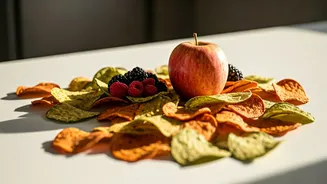
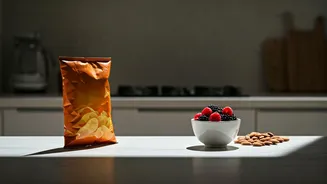
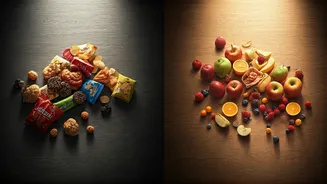
Breaking this cycle involves choosing snacks that work with your hunger hormones, not against them. The key is to focus on whole foods that are rich in the nutrients that promote satiety: protein, fibre, and healthy fats. Instead of reaching for a bag of crisps, consider alternatives that provide a more balanced nutritional profile. A handful of nuts, a piece of fruit with peanut butter, or some full-fat yogurt are excellent choices. These foods are digested more slowly, providing a steady release of energy and sending clear satiety signals to your brain. This doesn't mean you can never enjoy crisps again. It's about understanding what's happening in your body and making informed choices, prioritizing snacks that will nourish you and leave you feeling genuinely full and satisfied.