

A Tale of Two Kitchens
Tamil Nadu's vegetarian cuisine is a vast and varied universe, far too diverse to be bundled under a single identity. To truly understand its depth, one must travel to its source. Two cities, Thanjavur (Tanjore) and Tirunelveli, stand as pillars of this
culinary heritage, yet their kitchens tell fascinatingly different stories. Thanjavur, the rice bowl of the state and a former seat of empires, boasts a cuisine influenced by royal courts and Brahminical traditions. In contrast, Tirunelveli's food is shaped by its unique geography, including the waters of the Thamirabarani river, and a history of bustling trade.
Thanjavur: The Royal & Refined Palate
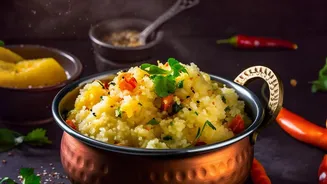
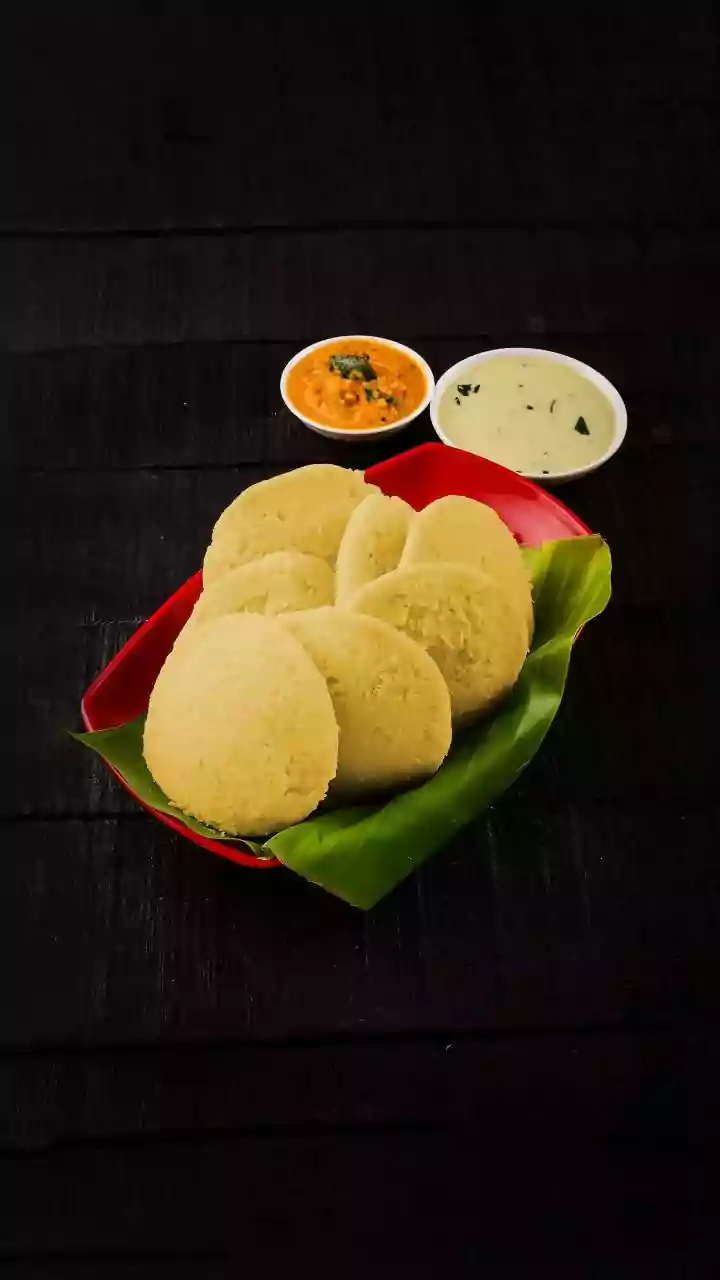
The food of Thanjavur is a sophisticated blend of agrarian heartiness and royal complexity, influenced by both Chola traditions and a significant Maratha heritage. This results in layered, robust flavours. A classic example is the Kumbakonam Kadappa, a unique moong dal and potato stew that is a breakfast staple served with idlis and dosas. Unlike a typical sambar, Kadappa is milder, creamier, and uniquely aromatic thanks to a ground paste of coconut, poppy seeds, and fennel. It perfectly represents the region's penchant for creating complex flavours from simple, local ingredients.
The Savoury Pride of Thanjavur
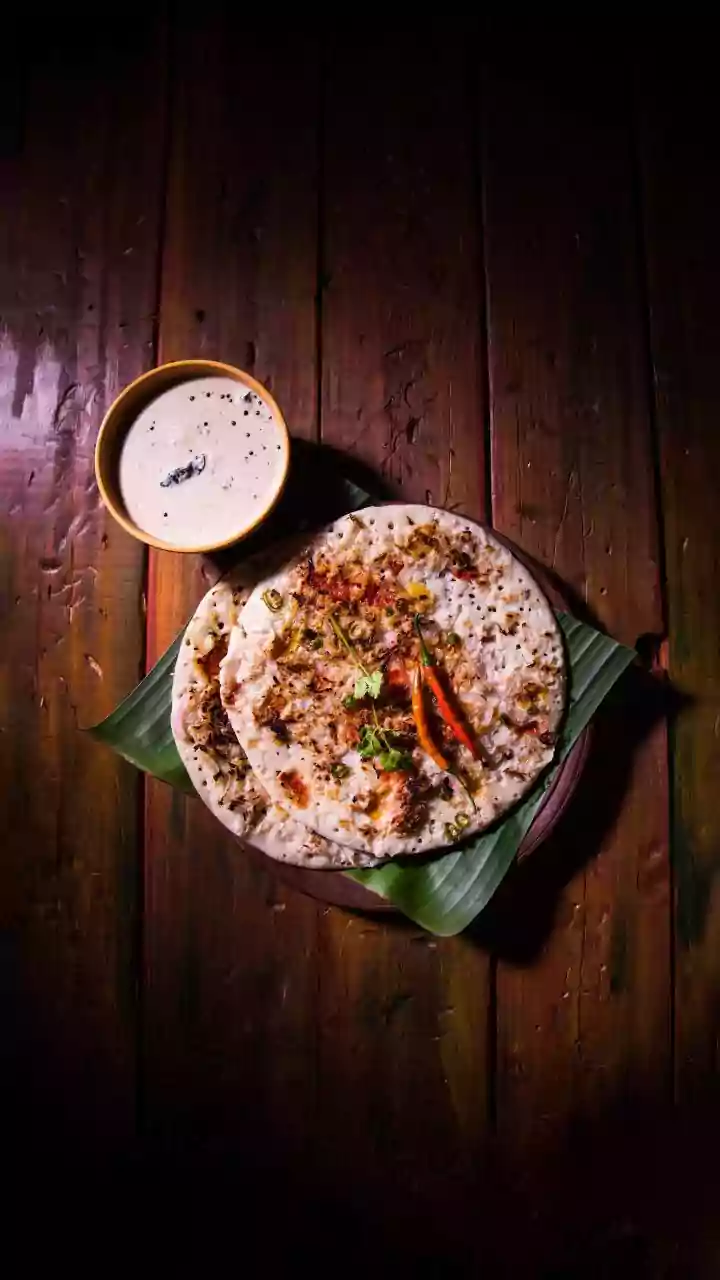
Another must-try dish is the Thavala Adai, a shallow-fried, savoury cake that is a world away from the more common thin adai. Traditionally cooked in a 'thavalai' (a specific type of pan), this dish features a coarse mixture of rice and multiple dals. The result is a wonderfully crisp exterior giving way to a soft, spiced interior, often studded with coconut and pepper. It’s a protein-rich snack that embodies the rustic, home-style cooking of the region. The cuisine here often features freshly ground spices, a hallmark of the traditional Brahminical style of cooking that prioritises purity and flavour.
Tirunelveli: The Halwa Capital
Journey south to Tirunelveli, and the culinary conversation inevitably turns to one thing: Halwa. But not just any halwa. The city is legendary for its Iruttu Kadai Halwa, which translates to 'dark shop halwa'. For generations, this iconic sweet shop has been making its famous wheat-based halwa, which gets its distinctive taste and texture from the local Thamirabarani river water and a slow-cooking process in pure ghee. The shop, traditionally lit by a single lantern, opens only for a few hours in the evening, adding to its mystique and long queues of devoted patrons. The story of the halwa itself traces back to a family who migrated from Rajasthan in the early 1900s, making this iconic Tirunelveli dish a symbol of cultural fusion.
The Great Halwa Debate
While Tirunelveli is famous for its wheat halwa, Thanjavur offers its own legendary contender: the Asoka Halwa. This vibrant, ghee-laden sweet is made not from wheat, but from moong dal (pasi paruppu). Originating from the town of Thiruvaiyaru, this halwa was reportedly created when wheat became scarce, showcasing culinary innovation. It has a gooey, rich texture and is a staple at weddings and festivals in the region. The contrast between Tirunelveli's dark, chewy wheat halwa and Thanjavur's bright, soft moong dal halwa is the perfect summary of their distinct culinary philosophies—one rooted in a singular, perfected tradition, the other in agricultural abundance and adaptability.