





Waterproof Outerwear: Your First Line of Defence
A high-quality waterproof and breathable rain jacket or poncho is non-negotiable. A jacket offers better movement, while a poncho has the advantage of covering both you and your backpack. [4, 6] Look for features like taped seams and an adjustable hood
to keep downpours out. [10] While a simple poncho might work for occasional trekkers on easier trails, a dedicated rain jacket and pants are a worthy investment for comfort and durability on more demanding routes. [7] The goal is to stay dry from the rain without getting soaked in your own sweat, so breathability is just as important as waterproofing. [5, 6]
The Right Layers: Quick-Dry and No Cotton
What you wear underneath your rain gear matters immensely. Cotton is a major mistake for monsoon treks; it absorbs moisture, gets heavy, takes forever to dry, and can leave you feeling cold and uncomfortable. [6, 8] Instead, opt for synthetic fabrics like polyester or nylon for your t-shirts and trekking pants. [3] These materials are "quick-dry" or "moisture-wicking," meaning they pull sweat away from your skin and dry rapidly. [4, 8] It’s also wise to pack a fleece or a light synthetic insulated jacket for evenings, as temperatures can drop surprisingly, even in the monsoon. [3, 9]
Essential Footwear: Grip and Protection
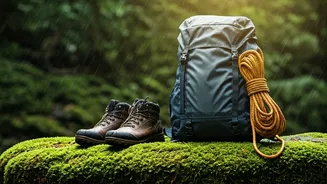
Monsoon trails are notoriously slippery, muddy, and rocky, making your choice of footwear critical. Your regular sports shoes won't cut it. [16] You need dedicated trekking shoes with deep lugs for excellent grip and traction to prevent slips and falls. [11, 16] High-ankle support is highly recommended to protect against sprains on uneven terrain. [11, 23] While waterproof shoes are a popular choice, some experienced trekkers in regions like the Western Ghats prefer non-waterproof shoes that dry quickly, paired with multiple pairs of socks. [11, 21] Whichever you choose, ensure you break them in before your trek to avoid painful blisters. [8]
Backpack and Waterproofing: Keep Your Gear Dry
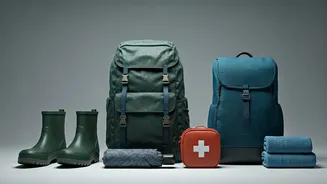
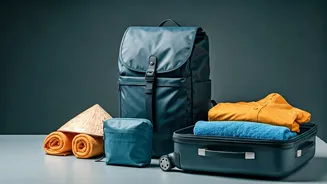
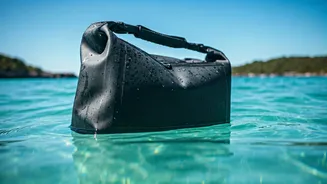
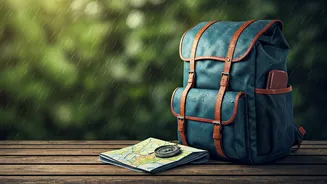
Even if your trek is short, your gear needs to stay dry. Start with a backpack that has a built-in or separate rain cover—this is your first layer of protection. [4, 8] However, during prolonged downpours, moisture can still seep in. For a second layer of defence, line the inside of your backpack with a large, heavy-duty plastic bag or a dedicated pack liner. [9, 19] Organise clothes, electronics, and snacks into smaller waterproof dry sacks or zip-lock bags. [7, 8] This compartmentalisation not only ensures your essentials remain dry but also makes them easier to find. [8]
Health, Hygiene, and Leech Protection
Monsoon treks require a few extra health and safety considerations. Your first-aid kit should be well-stocked, with particular attention to blister care, antiseptics, and bandages for falls on slippery paths. [8] The humid environment is also prime time for insects and leeches, especially in forested areas like the Western Ghats. [16, 20] Carry a strong insect repellent. [8] For leeches, prevention is best: wear full-sleeved shirts and tuck your pants into your socks. [8, 17] Special leech socks are also available. [9, 18] If a leech does attach, don't panic or pull it off. Instead, use salt, a sanitizer, or the flame from a lighter held near it to make it detach on its own. [13, 20]
Navigational Aids and Essential Accessories
A pair of trekking poles can be a game-changer on a monsoon trek, providing extra stability on slippery descents and helping you gauge the depth of muddy patches. [2, 6] Keep your electronics, like your phone and power bank, in waterproof cases or pouches. [6, 8] A surprising but useful accessory is a simple sun cap; worn under your jacket's hood, its brim can help keep rain from dripping onto your face and obscuring your vision. [7] Finally, always carry extra pairs of socks to keep your feet as dry as possible and a quick-dry towel. [4, 9]