




Beyond the Basics
For years, being 'pet-friendly' meant laying down old newspapers and hoping for the best. Now, it's a full-blown design movement. This isn't just about tucking a dog bed in a corner; it's about seamlessly integrating our pets' needs into our home's aesthetic.
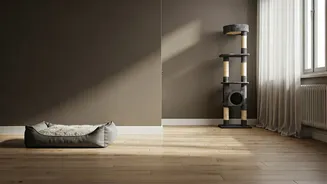
The trend, sometimes dubbed 'barkitecture', involves creating spaces that are as beautiful as they are practical for animal companions. Think built-in feeding stations that retract into kitchen cabinetry, stylish cat trees that double as sculpture, and mudrooms equipped with dedicated dog-washing zones. The goal is a harmonious living space where every family member, furry or not, feels right at home, without sacrificing style. This approach acknowledges that for many, pets aren't just animals—they're family, and their comfort is paramount.
The Rise of the 'Pawrent'
Several factors are driving this design evolution. The most significant is the 'pet humanization' trend, where pets are increasingly seen as children or integral family members. In India, a 2024 survey revealed that 57% of owners view their pets as family. This emotional bond fuels a desire to provide the best of everything, from premium food to a comfortable living environment. The COVID-19 pandemic accelerated this, with a surge in pet adoptions as people sought companionship during lockdowns. Spending more time at home made owners acutely aware of how their spaces could better accommodate their pets. This, combined with rising disposable incomes and the influence of social media, has created a perfect storm for the pet-centric home to become a mainstream aspiration.
Stylish, Safe, and Smart Materials
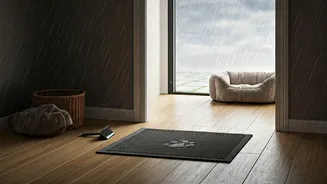
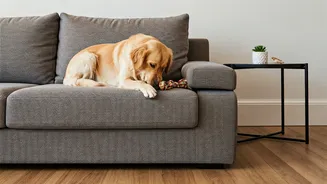
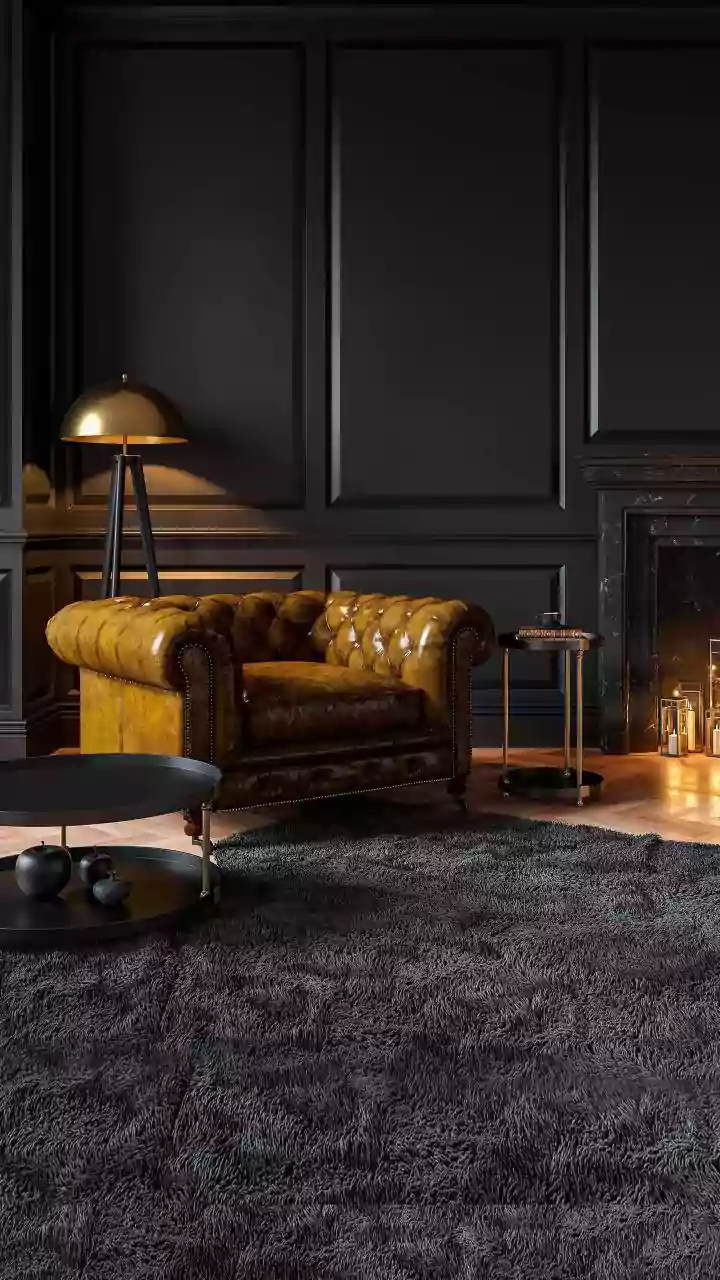
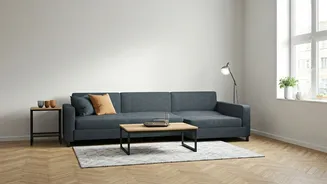
The foundation of a modern pet-friendly home is built on smart material choices. Gone are the days of choosing between a pristine sofa and a happy pet. Designers and homeowners are now opting for high-performance fabrics like microfiber, canvas, and leatherette, which are resistant to scratches, stains, and fur. Many guides suggest avoiding delicate materials like silk or velvet, which act as magnets for pet hair. Flooring is another key consideration. Hard-wearing surfaces like ceramic tiles, laminate, or sealed hardwood are replacing delicate carpets that trap odours and stains. Washable, low-pile rugs in patterns or darker colours are also popular for adding warmth without creating a cleaning nightmare. The focus is on durability that doesn't compromise on a chic aesthetic.
A New Market for Pet-Centric Design
This trend has not gone unnoticed by the market. A new wave of businesses is catering specifically to the design-conscious pet owner in India. Brands like FurryLiving and Hyderabad-based SVAG Pet Homes are offering premium, handcrafted pet furniture designed to complement modern interiors. Their catalogues feature everything from minimalist dog beds and elegant food stations to luxury 'pet villas' costing lakhs. This is a far cry from the generic, functional items of the past. These companies understand that today's 'pawrents' want pet products to be an extension of their own personal style. The global pet furniture market is a multi-billion dollar industry, and India's growing middle class and increasing pet ownership are making it a rapidly expanding frontier.
The Social Media Influence
Lifestyle influencers on platforms like Instagram are playing a huge role in popularising the pet-friendly design ethos. A perfectly curated living room shot is now often incomplete without a photogenic dog lounging on a stylish rug or a cat perched elegantly on a window seat. Indian pet influencers, who have amassed hundreds of thousands of followers, regularly showcase their homes, seamlessly blending their pets into their daily life and decor. These images and videos provide inspiration and create a new standard for what a modern family home looks like. They demonstrate that it's possible to have a house that is both aesthetically pleasing and fully accommodating of a pet's needs, from dedicated play areas to ensuring clear pathways for a case of the 'zoomies'.