









The Rising Tide of Urban Floods
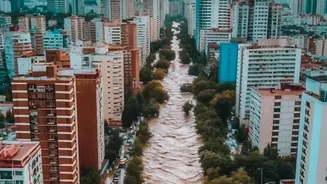
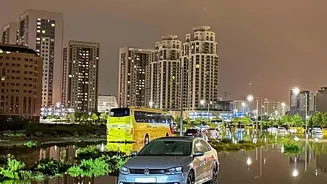
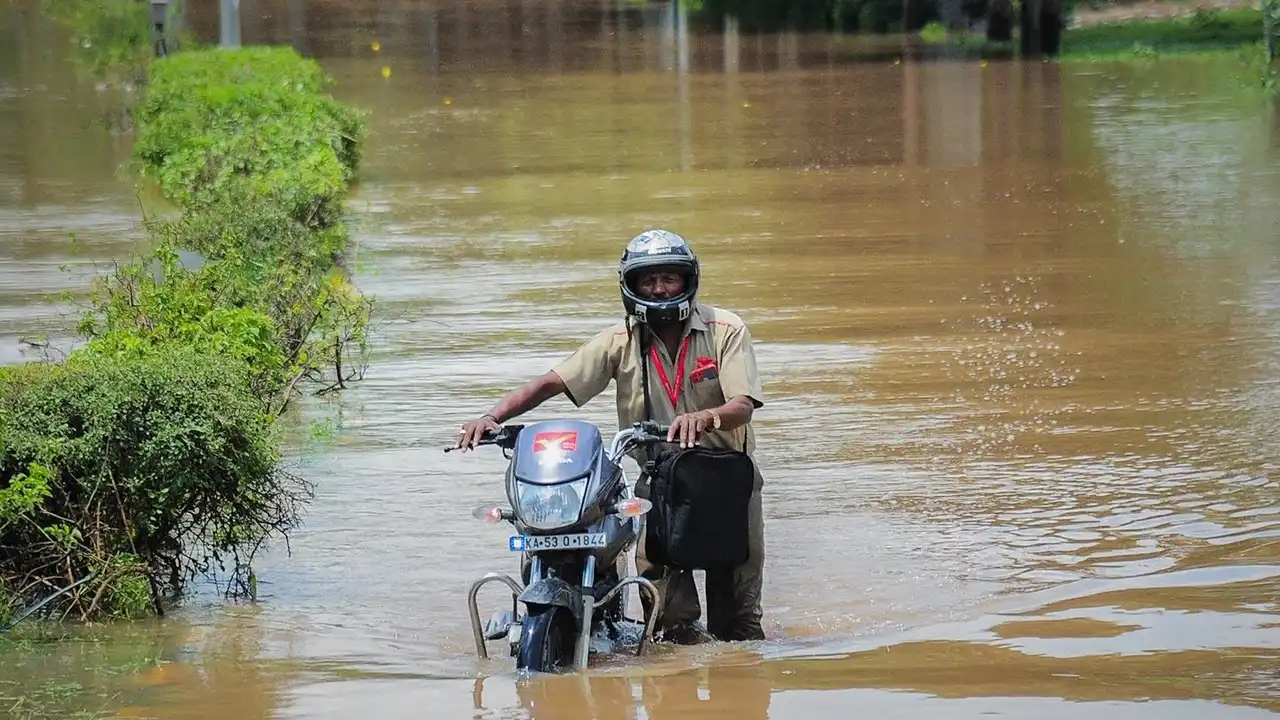
Urban flooding is no longer a rare event; it's a grim annual reality for millions across India. Cities like Mumbai, Chennai, and Bengaluru are grappling with intensifying rainfall and overwhelmed drainage systems. This crisis is fuelled by two converging
factors: rapid, often unplanned, urbanisation and the escalating impacts of climate change. As concrete replaces green spaces, rainwater has nowhere to go, turning streets into canals. Historically, cities were built around natural ecosystems that managed water, but decades of expansion have led to the loss of these vital areas, making urban centres far more vulnerable to waterlogging.
Nature’s Sponges: How Wetlands Work
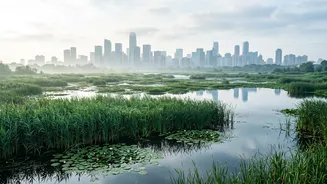
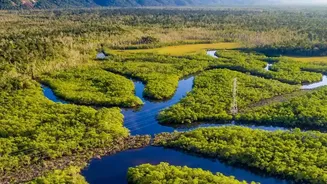
Instead of just trying to channel water away as fast as possible, a new approach focuses on absorption. This is where wetlands come in. These ecosystems—marshes, swamps, and lakes—act as nature's sponges. When heavy rain falls, wetlands trap and store vast amounts of water, slowing its release into rivers and drainage systems. The vegetation within them, from reeds to trees, further slows the flow, reducing the velocity of floodwaters and preventing soil erosion. By absorbing the initial surge of a downpour, they drastically reduce the peak flow of water that overwhelms urban drains, providing a natural and effective form of flood control.
More Than Just Flood Control
The benefits of conserving wetlands extend far beyond flood mitigation. They are powerful natural filters, purifying water by trapping sediments and breaking down pollutants from sewage and industrial runoff. This function is so effective that they are often called the 'kidneys of our watersheds'. Furthermore, wetlands are biodiversity hotspots, supporting countless species of birds, fish, and insects. They also help combat the urban heat island effect, providing a cooling influence on surrounding areas, and act as significant carbon sinks, capturing and storing carbon to help fight climate change.
Learning from Kolkata and Chennai
The tale of two Indian cities highlights the importance of wetlands. The East Kolkata Wetlands, a Ramsar site spanning 12,500 hectares, serve as a textbook example of a 'wise-use' wetland. This ecosystem naturally treats a significant portion of the city's sewage and acts as a vital flood defence, absorbing excess monsoon water. In stark contrast, Chennai's Pallikaranai Marsh has been severely degraded by encroachment and pollution. Its shrinking size has been directly linked to the devastating floods that have plagued the city, demonstrating the high price of neglecting these natural assets. While Chennai is now taking steps towards restoration with new 'sponge parks', its experience serves as a cautionary tale.
The Path Forward: From Concrete to Conservation
The shift towards using wetlands for flood control is part of a broader movement towards 'nature-based solutions' and creating 'sponge cities'—urban areas designed to absorb rainwater rather than repel it. However, the path is not without challenges. Encroachment from real estate development, relentless pollution, weak enforcement of protection laws, and fragmented governance remain significant threats. Overcoming these hurdles requires a coordinated effort from city authorities, state governments, and citizens. It demands better integration of environmental science into urban planning, valuing natural infrastructure as highly as engineered 'grey' infrastructure like drains and seawalls.