




Why Origin Is Your Flavour Map
Just as with wine, the concept of 'terroir' is crucial in tea. This term covers all the environmental factors of the place a tea is grown—from the soil chemistry and altitude to the specific climate and weather patterns. These elements create a unique
fingerprint on the final flavour. A tea plant grown in the rich, clay-like soil of Assam, India, will produce a bold, malty black tea. Replant that same bush in the misty, high-altitude mountains of Darjeeling, and its leaves would yield a much lighter, more floral and delicate brew. Paying attention to the origin—whether it's a broad country like China or a specific region like Uji in Japan—gives you the first major clue about a tea's character. Famous tea-producing regions like Ceylon (Sri Lanka), Kenya, and Nepal each impart distinct and recognisable characteristics to their teas.
Single Origin vs. Blends
Once you start looking at origin, you'll encounter two key terms: 'single origin' and 'blend'. A single-origin tea comes from one specific location, which could be a single farm or a particular region. These teas are prized for their distinct and unique character, offering a pure taste of that specific terroir. Because their flavour can vary from year to year, they offer a special and sometimes rare experience. Blends, on the other hand, combine teas from different farms, regions, or even countries. Tea masters create blends for several reasons: to achieve a consistent, reliable flavour profile year after year; to balance different characteristics and create a more complex taste; or to offer a more affordable product. Classic examples like English Breakfast are typically blends designed for a full-bodied, robust cup that is consistent every time. Neither is inherently better; the choice depends on whether you seek a unique, singular taste or a balanced, consistent one.
Decoding the Ingredients List
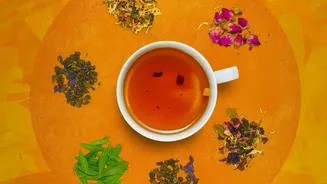
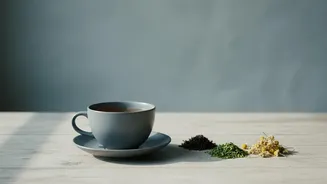
Beyond the tea leaf itself, the next step is to look at what else is in the tin. This is where you separate pure teas from scented, flavoured, and blended infusions. Scented teas, like traditional Jasmine Green Tea, absorb their aroma from being layered with fresh flowers during processing. Flavoured teas, like the famous Earl Grey, are infused with oils, such as bergamot oil. Then you have blends that mix the tea leaves with other ingredients like spices, dried fruits, and herbs. Masala Chai, for instance, is a blend of black tea with spices like cardamom, cinnamon, and ginger. When you see an ingredients list, check for natural versus artificial flavourings. High-quality teas typically use real ingredients, whose flavours are meant to complement, not mask, the tea itself. Additions like rose petals, cornflowers, or hibiscus not only add flavour but also visual appeal.
Putting It All Together: A Simple Strategy
Now, how do you use this knowledge in a practical way? Start by asking yourself a few simple questions before you buy. First, what kind of flavours do you generally enjoy in other foods and drinks? If you like fresh, grassy notes, a Japanese green tea might be a great start. If you prefer malty, comforting flavours, an Assam black tea is a good bet. Second, what is the purpose of the tea? Are you looking for a strong, caffeinated kick to start your morning (a black tea blend might be perfect) or a calming, caffeine-free infusion for the evening (look for herbal tisanes like chamomile or rooibos)? Answering these questions narrows your focus immediately. You can then decide if you’re in the mood for the pure expression of a single-origin tea or the harmonious balance of a creative blend. This simple framework turns a wall of choices into a manageable set of possibilities.