

The Convenience Trap
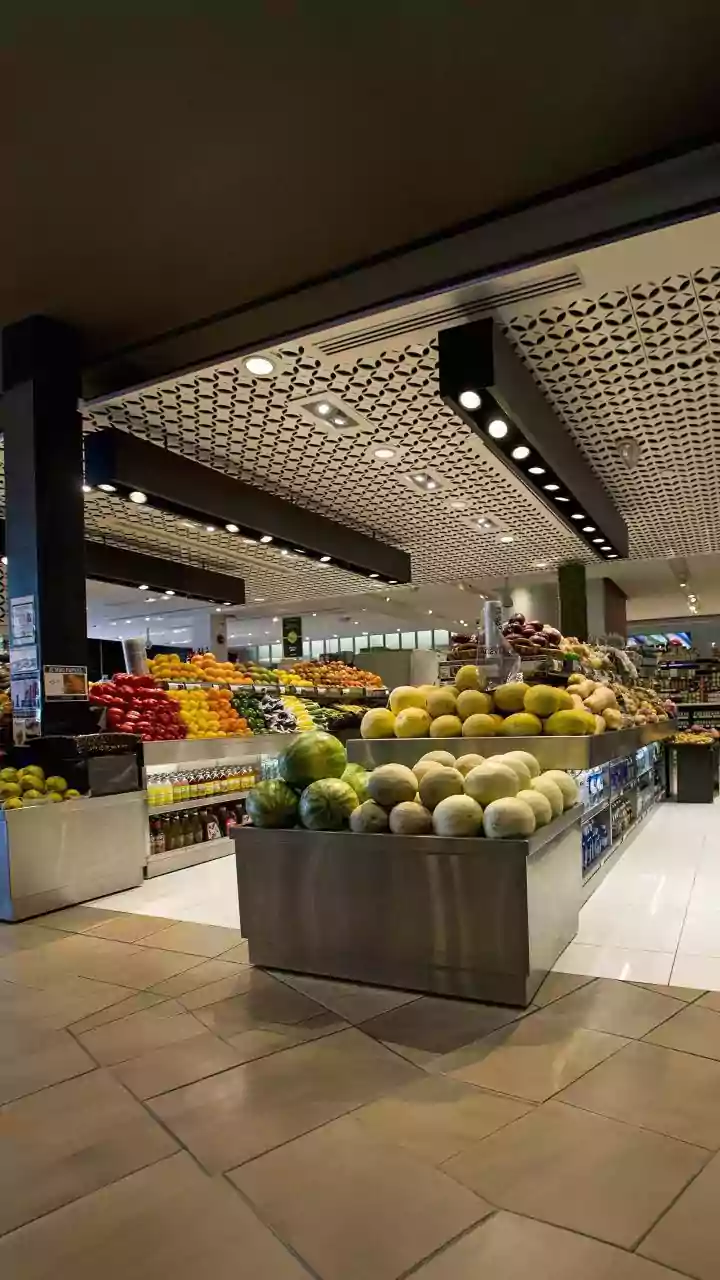
In our fast-paced lives, pre-cut vegetables and fruits feel like a blessing. They save time on chopping and preparation, making it easier to whip up a quick salad or stir-fry. Supermarkets and online grocery platforms are filled with neatly packaged selections
of diced carrots, chopped beans, and melon cubes. However, what works for drier seasons can become a problem during the monsoon. The high humidity and moisture in the air create a perfect breeding ground for bacteria and mold. This means that the very convenience you're paying for might come at the cost of freshness, nutrition, and even your health.
Why Pre-Cut Loses its Edge
Once a fruit or vegetable is cut, its protective outer skin is broken. This exposes the moist flesh to oxygen and airborne microbes. During the monsoon, this process accelerates dramatically. The combination of heat and humidity allows bacteria to multiply much faster, increasing the risk of spoilage and foodborne illnesses. Experts warn that pre-cut produce, especially items sold by roadside vendors or those that have been sitting out, can be contaminated. Furthermore, the moment produce is cut, it begins to lose vital nutrients, particularly water-soluble vitamins like Vitamin C. While preservatives may be used to extend shelf life, opting for whole produce that you wash and cut yourself remains the safest and most nutritious choice.
The Whole Picture: Your Monsoon Checklist
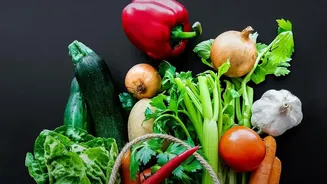
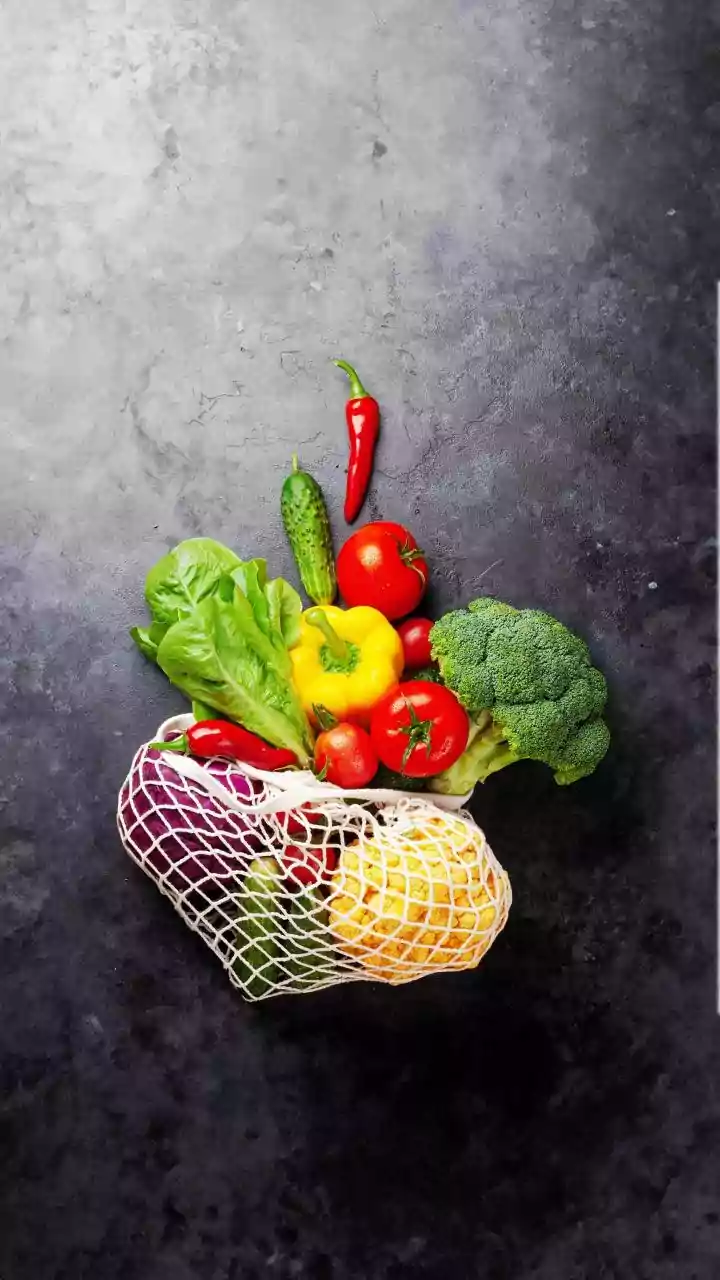
Instead of reaching for those plastic-wrapped trays, focus on buying whole, seasonal vegetables that are hardy and hold up well in humid conditions. Your monsoon grocery list should prioritise items that are less prone to quick spoilage. Good choices include gourds like bottle gourd (lauki), ridge gourd (turai), and bitter gourd (karela), which are at their best this season. Root vegetables such as potatoes, onions, and ginger are also smart buys. While leafy greens are nutritious, they spoil quickly and can harbor dirt and microbes during the monsoon. If you do buy them, purchase only what you need for a day or two and wash them thoroughly. Consider soaking them in salt water before cooking.
Smarter Storage for a Longer Shelf Life
How you store your groceries is just as important as what you buy. The key during the monsoon is to combat moisture. Avoid washing vegetables before storing them, as this can encourage decay. Instead, wipe them dry and store them in a cool, well-ventilated place. For items like ginger, bell peppers, and mushrooms, placing them in an airtight container lined with a paper towel can help absorb excess moisture and extend their life. Root vegetables are best kept in a cool, dark place. For greens, wrap them in a paper towel or a dry cloth before placing them in the refrigerator to keep them crisp.
Beyond Vegetables: Essential Pantry Staples
A well-stocked pantry is your best friend during the monsoon, especially on days when heavy rains make a trip to the market impossible. Stock up on staples like lentils (dal), pulses, and grains like rice and freshly milled atta. Store them in airtight containers to protect against moisture and pests; adding a bay leaf can help deter insects. Spices, ginger-garlic paste, and cooking oils are other essentials to keep on hand. Having these basics ensures you can always prepare a wholesome, home-cooked meal, regardless of the weather outside, without relying on less-than-fresh options.