





The End of an Era
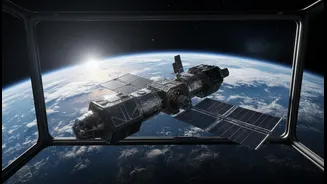
For more than 25 years, the International Space Station (ISS) has served as humanity's outpost in low-Earth orbit (LEO). A monumental achievement of engineering and diplomacy, it has hosted over 290 astronauts from 26 countries, enabling groundbreaking
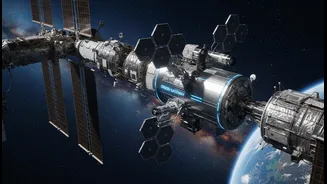
research in microgravity. But the station is aging. Plagued by structural decay and high operational costs, its end is now planned. Around 2030, NASA and its partners will guide the massive structure into a controlled deorbit, sending it to a remote area of the Pacific Ocean known as Point Nemo. This carefully managed retirement is necessary to prevent an uncontrolled reentry, which could pose a risk to populated areas. The conclusion of the ISS mission signifies a major shift from government-led space habitation to a new commercial paradigm.
The Looming Gap in Orbit
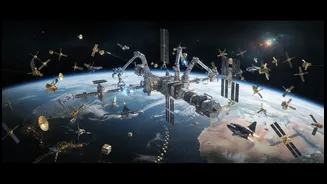
The primary concern driving the new urgency is the risk of a "gap" in American and partner access to low-Earth orbit. If a new operational station is not ready before the ISS is decommissioned, it would be the first time in over two decades without a continuous human presence in LEO backed by the US. Such a gap poses significant risks. It could halt critical microgravity research that benefits medicine and materials science, undermine US leadership in space, and force international partners and commercial researchers to turn to other options, such as China's Tiangong space station. NASA has acknowledged that a gap could decrease or even eliminate the viability of the burgeoning commercial LEO economy. To prevent this, the agency is actively fostering the development of private replacements.
NASA's Commercial Transition Plan
To ensure a seamless transition, NASA initiated the Commercial Low-Earth Orbit Destinations (CLD) program. The goal is for NASA to become just one of many customers for services on privately owned and operated space stations. This strategy mirrors the successful Commercial Crew and Cargo programs that now see companies like SpaceX routinely ferry astronauts and supplies to the ISS. NASA has provided seed funding to several teams to accelerate their designs. In July 2026, NASA released a draft request for proposals, signaling a major step forward in procuring these commercial services, with the aim of having a crewed flight test on a new commercial station by 2029.
Meet the New Contenders
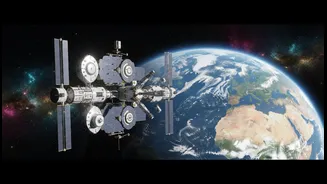
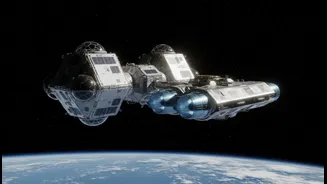
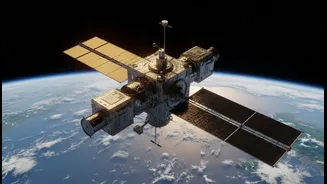
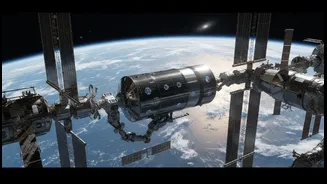
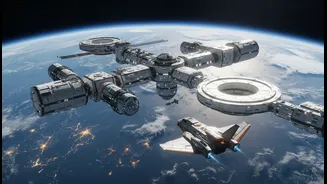
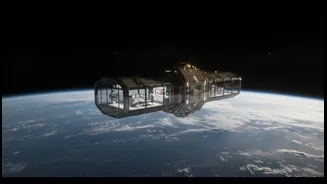
Several well-funded companies are in a race to build the first private space stations. Axiom Space is a prominent player, already flying private astronaut missions to the ISS. Its plan involves launching its first module to attach to the ISS around 2027 before separating to become a free-flying station. Another major contender is the Starlab project, a transatlantic joint venture between US-based Voyager Space and European aerospace giant Airbus. They plan to launch their station as early as 2028. The Orbital Reef team, led by Blue Origin and Sierra Space, envisions a "mixed-use business park in space," designed to be a hub for research, manufacturing, and tourism. These companies are not just building habitats; they are creating the foundations of a new orbital economy.
Challenges on the Final Frontier
The path forward is not without significant hurdles. Building a space station is an immensely complex and expensive undertaking, costing far more than the initial seed money provided by NASA. Companies must secure billions in private investment, a challenge when the business case for a commercial station is still largely unproven. The entire model depends on attracting a diverse range of customers beyond NASA, including foreign space agencies, private researchers, and potentially tourists, to create a sustainable market. There are also immense technical risks and ambitious schedules to meet. Any significant delay could widen the potential gap between the ISS's retirement and the dawn of the commercial station era, a gap the world's space powers are racing to close.