







The Predictable Chaos at the Airport
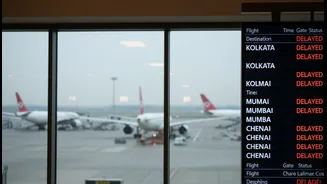
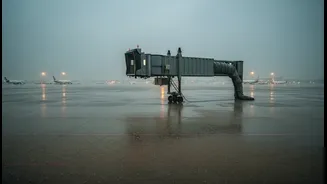
When heavy rain descends on Kolkata, operations at Netaji Subhas Chandra Bose International Airport (CCU) inevitably slow down. The primary reasons are operational and safety-related. Intense downpours drastically reduce visibility, making it unsafe for
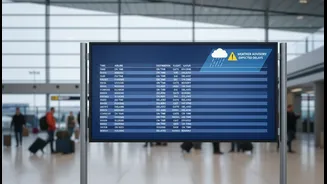
pilots to take off or land. Furthermore, significant water accumulation on runways and taxiways can pose a serious risk, affecting braking action and potentially damaging aircraft engines. Airlines and air traffic control have no choice but to delay, divert, or even cancel flights. While the airport has drainage systems, a cloudburst-like event can overwhelm them, leading to temporary waterlogging on aprons and parking bays. This immediate, weather-driven disruption is the most visible part of the problem, but it's only the beginning of a complex chain reaction.
What Are 'Flight Buffers' and Why Do They Break?
To manage the unpredictability of aviation, airlines build 'buffers' or 'schedule padding' into their flight timings. This is extra time, often 15 to 30 minutes, added to the gate-to-gate schedule to absorb minor delays caused by air traffic congestion, slow taxiing, or routine ground handling. These buffers are essential for maintaining on-time performance statistics and ensuring the smooth flow of an airline’s network. However, the kind of multi-hour delays caused by severe monsoon weather in Kolkata completely overwhelm these slim margins. A two-hour rain delay doesn't just eat the buffer; it creates a significant deficit. A single delayed aircraft has a domino effect, causing subsequent flights on its schedule for the rest of the day to also run late, impacting passengers across the country.
From the Runway to Waterlogged Roads
The problem extends far beyond the airport's perimeter fence. While the sky may clear and runways become operational, the city outside remains paralysed. Kolkata's century-old drainage system, combined with unplanned urbanisation and the loss of natural wetlands, struggles to cope with intense rainfall. Key arterial roads leading to the airport, like VIP Road, frequently become submerged, bringing traffic to a standstill for hours. This is where the two problems—flight delays and waterlogging—become one. Airlines have issued advisories urging passengers to allow for significant extra travel time to the airport during heavy rains precisely because of this issue. The most well-managed airport cannot function if its workforce and customers cannot reach it.
The Vicious Cycle of Staff, Crew, and Passengers
A flight cannot depart, even if the weather is clear, if the pilots, cabin crew, or essential ground staff are stuck in traffic on a flooded road. Reports from past monsoon seasons confirm that waterlogging on access roads has been a direct cause of flight delays, as crew reporting times are missed. Airlines are then forced to delay departures, even if the aircraft is ready and the destination weather is perfect. This creates a secondary wave of delays entirely disconnected from the conditions at the airport itself. The reverse is also true. Passengers arriving on a delayed flight might find themselves stranded at the terminal, unable to get home because the city's transport network is impassable. This adds to congestion and strain on airport facilities, demonstrating that the airport is not an isolated entity but a critical piece of city infrastructure, wholly dependent on the city's overall resilience.
An Infrastructure Problem, Not Just a Weather One
Ultimately, the connection between rain-induced flight delays and waterlogged streets highlights a deeper, systemic issue. Focusing solely on upgrading airport technology, like CAT III-B lighting for low visibility, addresses only one facet of the problem. The chronic urban flooding reveals decades of ecological neglect and insufficient investment in fundamental city infrastructure. The destruction of the East Kolkata Wetlands, which acted as a natural sponge, has severely diminished the city's ability to drain stormwater. As climate change brings more frequent and intense rainfall events, this interconnected crisis will only worsen. An airport's efficiency is only as strong as the city it serves. For Kolkata, ensuring flights run on time during the monsoon is as much about fixing drains and urban planning as it is about managing air traffic.