

The Allure of the Snowy Silence
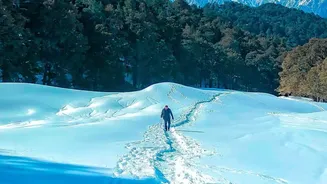
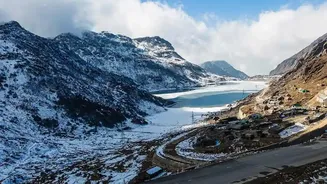
There is a powerful reason why travellers brave the Himalayan chill. Winter transforms popular destinations into serene wonderlands. Imagine trekking on freshly fallen snow with the crisp mountain air for company, or witnessing a frozen lake shimmering
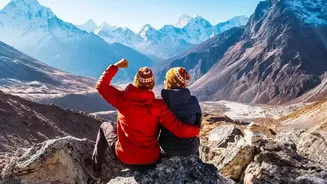
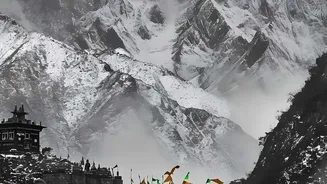
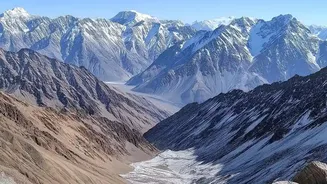
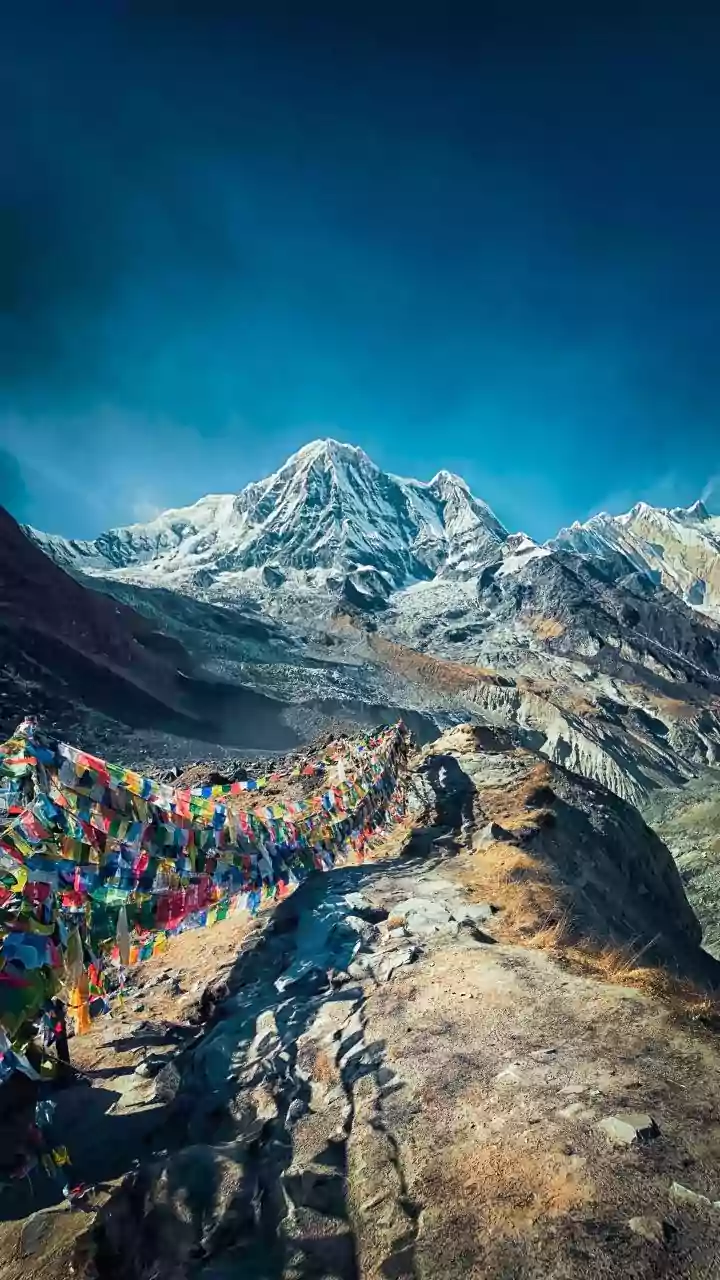
under a clear blue sky. Places like Auli in Uttarakhand become a skier's paradise, while the higher reaches of Himachal Pradesh and Ladakh offer dramatic, snow-covered vistas that feel otherworldly. The winter season, generally spanning from December to February, means fewer tourists, offering a more intimate and peaceful experience of the mountains. For photographers and adventurers, the sharp winter light and pristine landscapes provide opportunities that are simply unavailable during the crowded summer months. It's a chance to see the world’s mightiest mountain range in its rawest, most tranquil state.
When the Weather Has Other Ideas
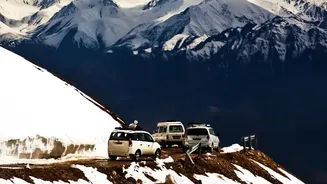
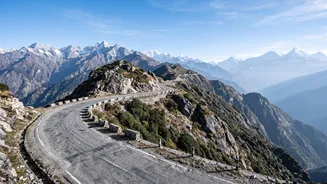
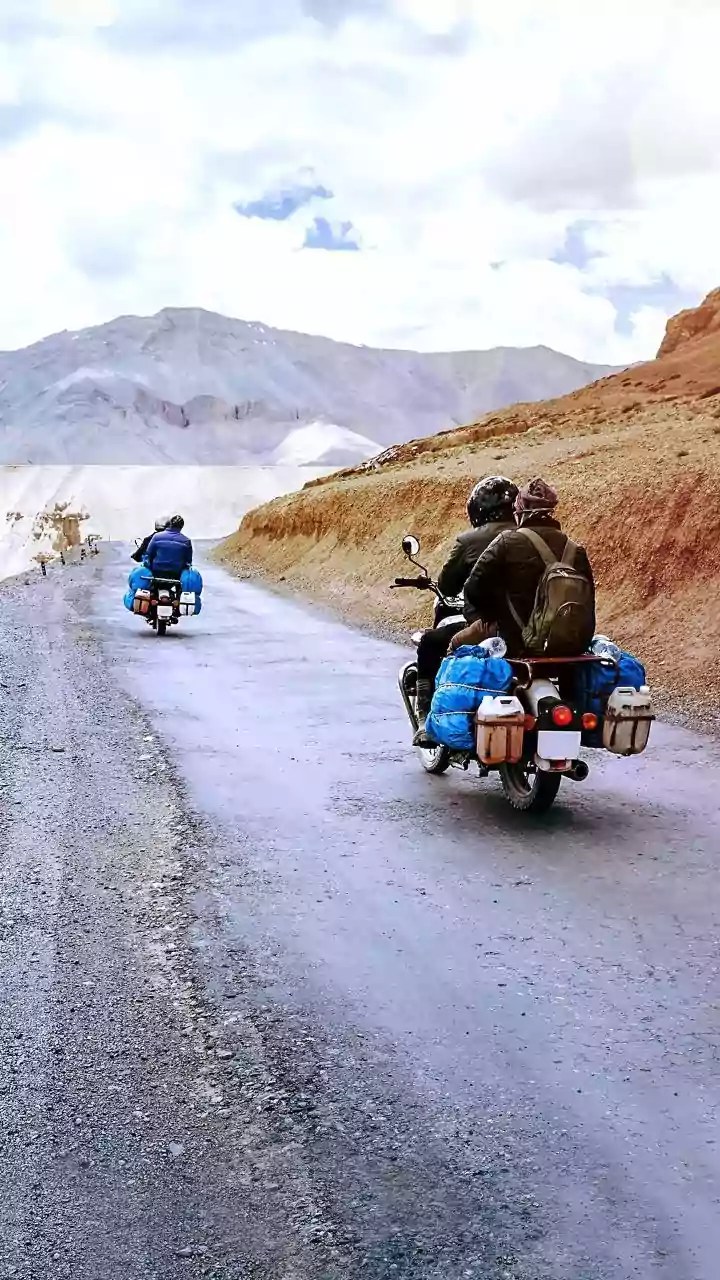
The primary challenge of a Himalayan winter trip is its unpredictability. Heavy snowfall can lead to sudden road closures, cutting off access to entire valleys for days. High-altitude passes like Rohtang and Zoji La shut down, and even accessible roads can become treacherous due to ice. Recent weather patterns show that the transition from monsoon to winter can bring a mix of heavy rain and early snow, increasing the risk of landslides and travel disruptions. Flights, especially to airports like Leh, are frequently delayed or cancelled due to poor visibility or snow on the runway. Temperatures can plummet to sub-zero levels, making acclimatisation more challenging and increasing risks like hypothermia if you are not adequately prepared. What begins as a dream trip can quickly turn into a logistical puzzle, with travellers sometimes getting stranded.
Plan for Flexibility, Not Just Your Destination
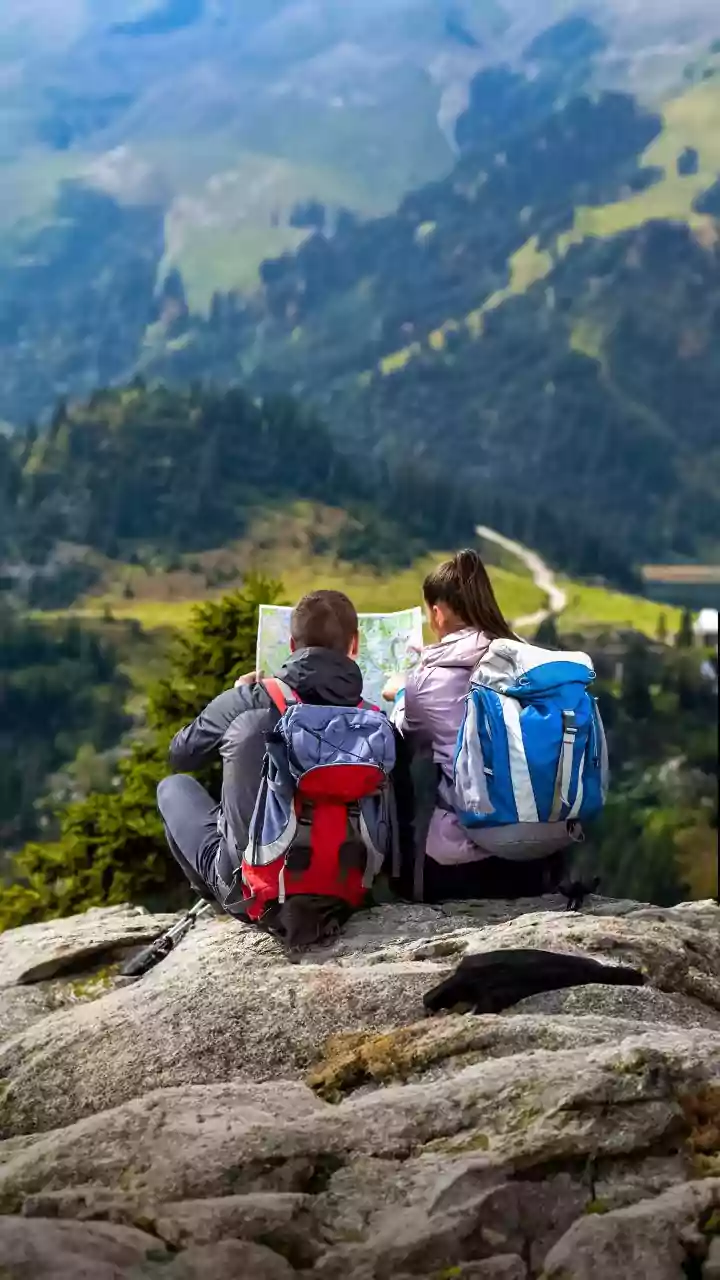
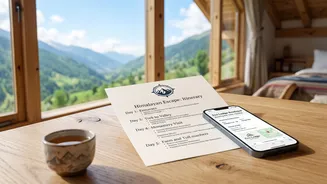
The key to a successful winter trip is building a flexible itinerary. Do not plan a tight schedule. Add at least two to three buffer days to your travel plans to account for potential delays, whether it's a cancelled flight or a blocked road. Before and during your trip, stay updated on weather and road conditions. The India Meteorological Department (IMD) and state disaster management authority websites are crucial resources. For instance, the HPSDMA in Himachal Pradesh provides alerts on landslides and road closures. Also, confirm conditions locally with your hotel or a trusted tour operator. When booking flights and hotels, opt for flexible or refundable options where possible. This forethought can save you significant stress and money if your plans are forced to change. Instead of aiming for the most remote destination, consider more accessible winter hubs like Shimla, Manali, or Auli as a base, from where you can take day trips to experience the snow.
Your Essential Winter Packing List
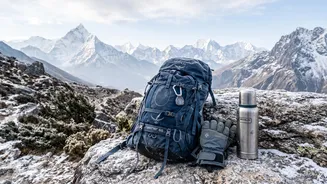
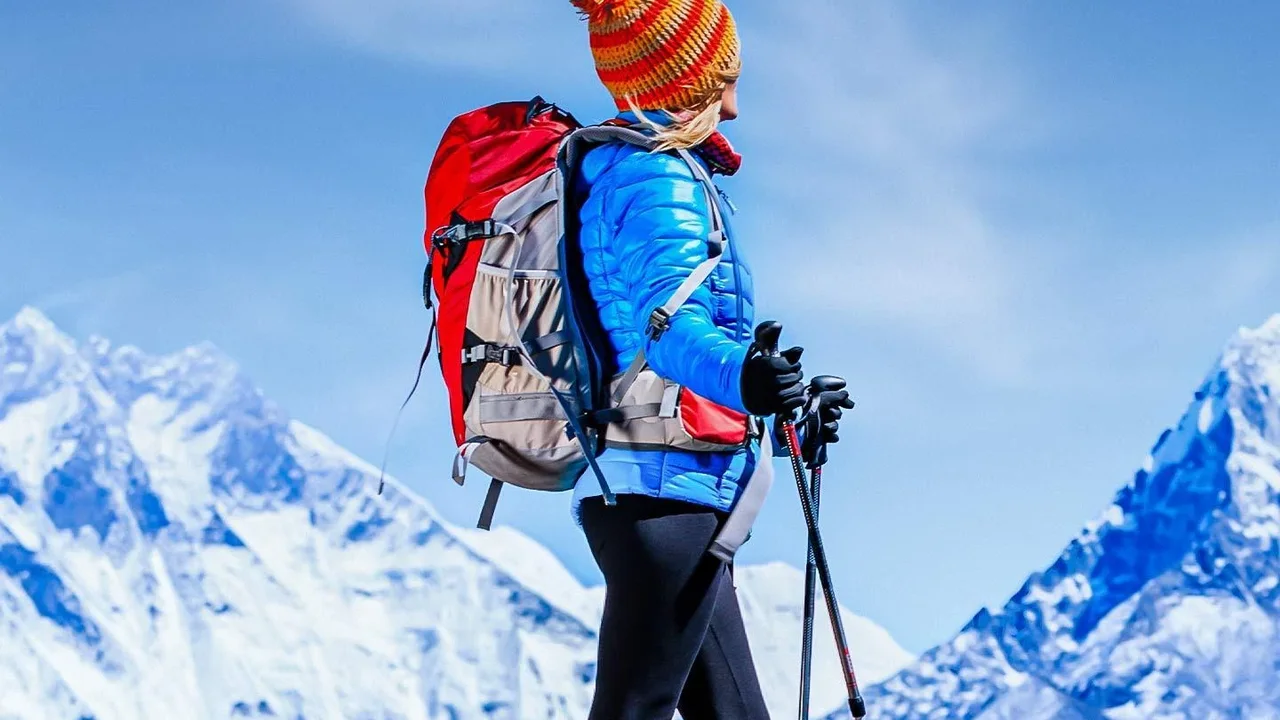
Packing correctly is non-negotiable for a safe and comfortable trip. The golden rule is layering. Instead of one heavy jacket, pack multiple layers: a thermal base layer to wick away sweat, a fleece or down jacket for insulation, and a waterproof, windproof outer shell. This allows you to adjust to changing temperatures throughout the day. Sturdy, waterproof trekking boots with good grip are essential, as trails can be slippery with snow and ice. Don't forget insulated gloves, a warm hat, thermal socks, and a neck gaiter or scarf. Other essentials include a high-SPF sunscreen and lip balm, as the sun at high altitudes can be harsh, and a power bank, as cold temperatures can drain batteries quickly. For trekkers, a sleeping bag rated for sub-zero temperatures is a must, though most operators provide one.
Accessible Winter Havens
You don't have to be an extreme adventurer to enjoy the Himalayan winter. Several destinations offer the perfect blend of snowy beauty and accessibility. In Uttarakhand, Auli is renowned for its ski slopes and stunning views of peaks like Nanda Ghunti and Trishul. It’s well-connected and offers activities for both beginners and seasoned skiers. In Himachal Pradesh, Manali and its surroundings, accessible via the Atal Tunnel, provide a gateway to the snow-covered landscapes of the Lahaul valley, though it's vital to check road status beyond the tunnel. For those looking for a less strenuous holiday, Shimla and Dharamshala offer the charm of a colonial hill station dusted with snow. These towns are generally more accessible and have robust infrastructure to handle winter tourism, making them a safer bet for families or first-time winter travellers.