




From Simple Soup to Superfood
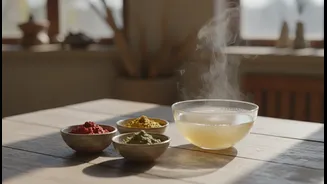
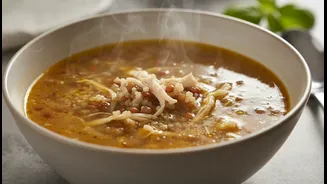
For centuries, broths and stocks like Indian 'paya' have been a cornerstone of cuisines globally, valued for being nourishing and cost-effective. Traditionally made by simmering bones, vegetables, and herbs for hours, these liquids are culinary gold.
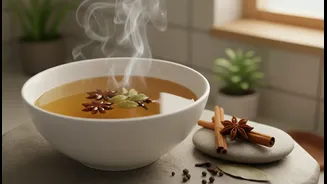
Recently, broth has been elevated from a simple soup starter to a standalone wellness beverage. Driven by celebrity endorsements and social media trends, 'bone broth' is now celebrated for its rich content of collagen, minerals, and amino acids, which are believed to support gut, joint, and skin health. This sets the stage for innovation, as consumers are actively looking for nutrient-dense, convenient, and flavourful health products.
The Power of Ancient Spice Blends
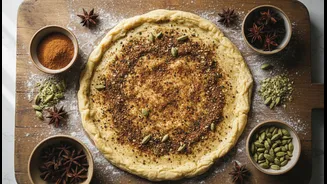
The magic of this new wave of wellness broths lies in their spice profiles. Instead of simple salt and pepper, brands are incorporating complex Indian 'masalas'. These aren't just singular spices but sophisticated blends that vary by region, like Garam Masala in the north, Chettinad spices in the south, and Goda Masala in Maharashtra. These blends are culinary traditions in themselves, designed to create deep, layered flavours. A typical Garam Masala, for instance, might include black pepper, cardamom, cinnamon, cloves, coriander, and cumin, each contributing to a warm, aromatic profile. This turn towards traditional recipes offers a shortcut to authentic, time-tested flavour that resonates with consumers.
Wellness Rooted in Tradition
The focus on traditional spice bases is not just about taste; it is about tapping into centuries of wellness wisdom. In Ayurveda, spices are seen as functional ingredients that can 'heat up' the body and improve digestion. Modern science is beginning to validate some of these beliefs. Spices like turmeric, cloves, and cinnamon are rich in antioxidants, which help combat oxidative stress in the body. Turmeric contains curcumin, a compound known for its anti-inflammatory properties. Other spices like cumin and coriander have antimicrobial effects, while blends like Garam Masala have been associated with improved digestion and heart health. By using these spice bases, premium brands are marketing their broths as products that offer both flavour and functional benefits.
Authenticity as a Premium Ingredient
Today's consumers are increasingly adventurous and health-conscious. There's a growing demand for authentic, global flavours and natural ingredients. After years of standardised products, shoppers, particularly younger millennials, are seeking transparency and a connection to the food they eat. They want to know where ingredients come from and are drawn to products with a compelling story. Traditional regional spice blends offer exactly that—a story of culture, heritage, and time-honoured culinary practice. For a premium brand, claiming an 'authentic Rasam spice blend' is more powerful than listing individual spices. It signals quality, depth, and a respect for tradition that justifies a higher price point.
The Business of Broth
For food manufacturers, this trend is a smart business move. The Indian flavours market is expanding rapidly, with consumers showing a clear preference for natural and traditional taste profiles. Busy urban lifestyles have also increased the demand for convenient, ready-to-use products that replicate the taste of home cooking. A premium wellness broth infused with a traditional masala blend meets multiple consumer demands at once: it's healthy, convenient, flavourful, and authentic. Brands are leveraging this by positioning their broths as a daily wellness ritual, a modern take on grandmother's wisdom, backed by science. It's a fusion that appeals to a broad market, from wellness enthusiasts to foodies seeking bold new tastes.