





The Promise of a Miracle Green
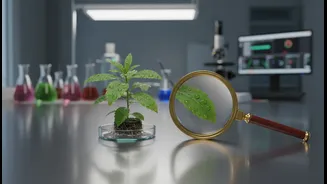
In an era obsessed with wellness, the discovery of a new plant promising a wealth of health benefits is met with immediate enthusiasm. From nutrient-dense powders to exotic salad greens, the market for 'superfoods' is booming. We are constantly searching
for the next kale, spinach, or moringa—a single ingredient that can boost our health. Marketers are quick to label these novel plants with incredible claims, often before there is significant scientific evidence to back them up. This enthusiasm, while well-intentioned, can create a significant blind spot. We are so focused on the potential benefits that we overlook the potential risks, assuming that if something is a plant, it must be harmless. This is a dangerous assumption.
The Rigorous Path of a 'New' Food
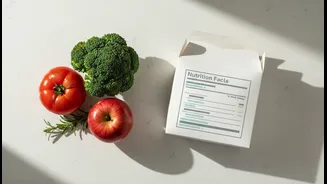
Contrast this with the formal process for introducing a new food ingredient to the market. In India, the Food Safety and Standards Authority of India (FSSAI) has specific regulations for 'novel foods' and 'non-specified food ingredients'. These are foods that don't have a long history of safe consumption. Before a company can sell a new food additive, a novel protein, or an ingredient made with new technology, it must get prior approval from the FSSAI. This involves submitting extensive scientific evidence to prove the product's safety. The evaluation scrutinises everything from the ingredient's chemical composition and potential for toxicity to allergens and nutritional impact. Only after this rigorous assessment is the product authorised for sale. This system exists for a simple reason: to protect public health from unknown risks.
The 'Natural' Doesn't Mean 'Safe' Fallacy
Many of the plants we eat every day contain natural defence mechanisms in the form of chemical compounds. These 'antinutrients' or toxins are produced by the plant to ward off pests and predators. For example, many leafy greens like spinach and beet greens contain oxalates, which can bind to calcium and other minerals, preventing their absorption and potentially contributing to kidney stones in susceptible individuals. Legumes and grains contain lectins and phytates, which can also interfere with nutrient absorption. Many of these compounds are reduced by proper preparation like soaking or cooking. However, some plants contain far more dangerous toxins. For instance, comfrey, once a popular herbal remedy, contains pyrrolizidine alkaloids that can cause severe liver damage. The birthwort plant, used in some traditional medicines, has been linked to kidney failure and cancer. These examples are a stark reminder that 'natural' is not a synonym for 'safe'.
A Regulatory and Awareness Gap
The problem is that a whole, unprocessed plant might not always fall under the same intense scrutiny as a manufactured food additive. A farmer could cultivate a little-known local green and start selling it at a market, or a wellness influencer could popularise a new herb for smoothies, all without the plant undergoing the formal safety assessment required for a 'novel food'. While FSSAI's framework is designed to cover new botanicals, the decentralised and informal nature of how new plants can enter our diet creates a potential gap. The burden of safety, in these cases, shifts unofficially to the consumer, who often lacks the information to make an educated choice. We are left to trust the marketing hype, which is a poor substitute for scientific validation.
A Call for Cautious Consumption
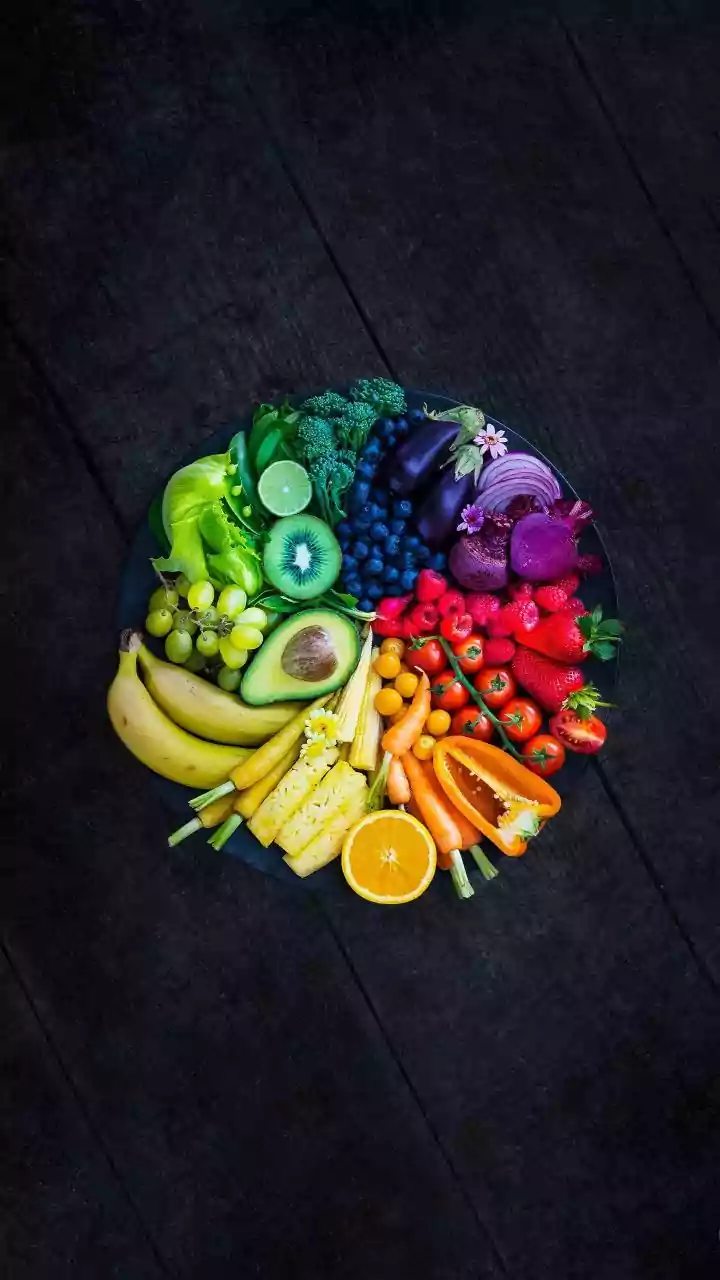
This isn't an argument against trying new foods or embracing plant-based diets. It is an argument for applying the same level of critical thinking to a new leaf as we do to a new pill. We should demand more than just anecdotal claims. As consumers, we should be asking questions: Does this plant have a known history of safe consumption in any culture? Is there any scientific data on its composition and potential toxins? We need to be wary of any product that promises miraculous, cure-all benefits. Instead of chasing the trendiest new superfood, a more reliable path to health is to focus on a diverse diet of well-understood, nutrient-dense whole foods. The humble spinach and broccoli may not have the exotic allure of a newly discovered Amazonian leaf, but their safety and benefits are well-documented.