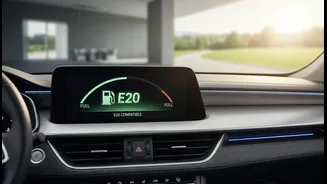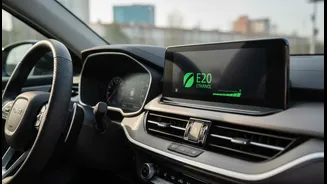






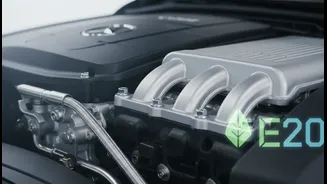


What is E20 Fuel?
First, let’s demystify the term. E20 fuel is a blend of 80% petrol and 20% ethanol. Ethanol is a biofuel, a form of renewable energy typically produced from crops like sugarcane and maize. As part of its strategy to reduce crude oil imports and curb pollution,
India has rapidly transitioned to making E20 the standard petrol available at pumps nationwide. All new cars sold since April 2023 are required to be compatible with this new fuel blend, meaning their engines and fuel systems are specifically designed to handle it.
The Appeal of Lower Running Costs
For a young commuter managing a budget, fuel expenses are a major recurring cost. While E20 fuel is not necessarily cheaper at the pump, its primary financial benefit is price stability. The government procures domestically produced ethanol at a fixed price, which insulates about 20% of the fuel's cost from volatile global crude oil markets. This strategy helps shield consumers from sharp price hikes seen in neighboring countries. While ethanol has a lower energy density, leading to a minor drop in mileage—estimated at around 3-5% for compatible cars—the government argues this is a small trade-off for greater price stability and long-term energy security.
A Greener Footprint on the Go
For a generation increasingly conscious of its environmental impact, driving an E20-compatible car is a significant step in the right direction. Ethanol burns more completely and cleanly than pure petrol. This results in substantially lower emissions of harmful pollutants like carbon monoxide and hydrocarbons. By choosing a car that runs on this blended fuel, you are directly contributing to cleaner air in our congested cities and helping reduce the nation’s overall carbon footprint. It’s a practical way to make your daily commute more sustainable without a drastic lifestyle change.
Performance and Peace of Mind
A common concern with blended fuels is their effect on the engine. However, today’s mass-market cars from leading manufacturers like Maruti Suzuki, Tata Motors, Hyundai, and Mahindra are engineered to be fully E20-compliant. This means their fuel lines, seals, and engine components are made from materials resistant to ethanol's corrosive properties. In fact, E20 fuel has a higher octane rating than regular petrol, which can lead to smoother combustion and better anti-knock performance, potentially improving engine pickup and acceleration. For owners of these new vehicles, using the mandated E20 fuel is safe and does not void warranties.
Making the Smart, Future-Ready Choice
The government's push for ethanol blending is a long-term strategic move. With E20 now the standard across India, owning a compatible vehicle is no longer just an option but a practical necessity for a hassle-free experience. The list of E20-ready cars is extensive and covers almost every popular model in the hatchback, sedan, and compact SUV segments, from the Maruti Suzuki Swift and Tata Punch to the Hyundai Creta and Mahindra XUV 3XO. Opting for one of these models ensures you are aligned with the country's evolving fuel infrastructure and policy. It’s a choice that is not only smart for today but also prepared for the road ahead, as discussions for even higher blends like E25 and E30 are already underway.