






The Double Squeeze on Wallets
This year, households are navigating a difficult economic landscape defined by two key pressures: unrelenting rent hikes and stubborn food inflation. According to the latest government data from September 2026, retail inflation climbed to 5.54%, driven
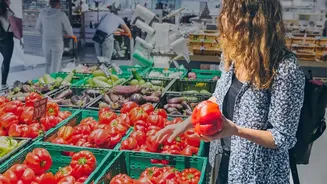
largely by a sharp 7.74% jump in food prices. This means that even before thinking about gifts or new clothes, families are spending significantly more on just putting food on the table. The cost of daily essentials like onions, which saw inflation of over 100%, along with ginger and garlic, has put a strain on daily expenses, leaving less room for discretionary purchases.
When Rent Takes the Biggest Bite
The rental market in major Indian cities has become a significant source of financial stress. In the first quarter of 2026, average residential rents across India saw a 14% year-on-year increase. While the extreme post-pandemic spikes have cooled, rents have settled into a steady annual growth of 5% to 8% in major metro areas. This is driven by professionals returning to offices and a housing supply that hasn't kept pace with demand in corporate hubs like Bengaluru, Gurugram, and Pune. For many young professionals and families, the dream of homeownership is increasingly out of reach due to high property prices, turning long-term renting into a necessity. This shift ensures a larger portion of their monthly income is permanently allocated to housing, directly impacting their capacity for other spending.
Festive Spending Feels the Pinch
The direct consequence of these rising essential costs is a more cautious approach to festive spending. A recent survey by LocalCircles indicates that total festive spending by urban households is expected to fall by 6% in 2026, down to ₹1.97 lakh crore from ₹2.10 lakh crore last year. The survey highlights that only 57% of urban households plan to make discretionary purchases at all this season, with a significant 31% planning none. This contrasts with the previous year, which saw a spending increase. The data reveals a clear trend: families are prioritizing needs over wants, and the festive cheer is being tempered by economic reality. Many households that do plan to spend expect to dip into their savings to do so.
A Shift in Consumer Priorities
While overall spending is projected to be lower, consumer behaviour is also shifting. Some reports suggest that while fewer people are increasing their budgets, the segment of consumers willing to make high-ticket purchases of over ₹50,000 has grown slightly. This points to a growing divide where some consumers continue to spend, while a larger base is cutting back significantly. For many, the focus is shifting from extravagant purchases to more essential festive items and experiences. Instead of splurging on electronics or expensive apparel, families are concentrating their limited discretionary funds on food, travel to see family, and smaller, more meaningful gifts. This reflects a broader adaptation to the high-cost urban environment, where financial stability often means making difficult choices.
Redefining the Celebration
The current economic pressure is forcing a redefinition of what a 'good' festive season looks like. For many, it's becoming less about the value of goods purchased and more about the value of shared experiences. This could mean smaller, more intimate gatherings, potluck dinners to share the cost of festive meals, or prioritising a trip home over buying new gadgets. This isn't just about budget cuts; it's a recalibration of priorities in response to a sustained cost-of-living crisis. The resilience of Indian households shines through as they find new ways to preserve the spirit of the festive season, even when their wallets are lighter. The focus is shifting towards togetherness and tradition, proving that the heart of the celebration doesn't always come with a price tag.