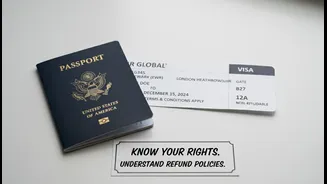






Your Rights Under the DGCA Passenger Charter
In India, passenger rights are governed by the Directorate General of Civil Aviation (DGCA). The regulations, detailed in the Civil Aviation Requirements (CAR), act as a passenger charter that all airlines must follow. This framework ensures that whether
you're dealing with a cancellation, a long delay, or denied boarding, there are specific rules about refunds and compensation. The onus is on airlines to provide these facilities, and they can face penalties for failing to comply. As of early 2025, the DGCA has even directed airlines to proactively share a link to the passenger charter via SMS or WhatsApp upon booking to increase awareness.
The New 48-Hour Free-Look Window
A significant recent change is the introduction of a 48-hour 'look-in' or free cancellation window, effective from March 26, 2026. This allows you to cancel or amend your ticket within 48 hours of booking without incurring any cancellation fees from the airline. This applies to tickets for domestic flights scheduled at least seven days away and international flights at least 15 days away, when booked directly on the airline's website. During this period, you are entitled to a full refund. If you amend the ticket, you would only pay the fare difference for the new flight. This rule empowers passengers to correct mistakes or change plans shortly after booking without a financial penalty.
When the Airline Cancels Your Flight
If an airline cancels your flight, your rights are very clear. You are entitled to a choice between a full refund or an alternative flight. The airline cannot force you to accept a credit voucher; the choice is yours. If the cancellation is announced with less than two weeks' notice and up to 24 hours before departure, the airline must offer an alternative flight or a refund. If the notice is less than 24 hours, you are entitled to compensation in addition to a refund or re-routing. This compensation can range from ₹5,000 to ₹10,000, depending on the flight's duration. Even in cases of disruptions due to 'force majeure' events like bad weather, where compensation isn't mandatory, you are still entitled to a full refund if the flight is cancelled.
When You Decide to Cancel
If you cancel your flight outside the 48-hour free-look period, the refund amount depends on the airline's fare rules. However, the DGCA mandates that cancellation charges cannot be more than the sum of the basic fare and fuel surcharge. More importantly, all statutory taxes and fees, such as the User Development Fee (UDF) and Passenger Service Fee (PSF), must be refunded to you, even if your ticket is non-refundable. Airlines are required to be transparent about the exact refund amount you are eligible for at the time of booking and cancellation.
The Refund Process and Timelines
The DGCA has set strict timelines for processing refunds to reduce passenger grievances. If you paid by credit card, the airline must process the refund within seven working days of cancellation. For cash transactions, the refund should be immediate if done at an airline office. If you booked through a travel agent or an online portal, the airline is still responsible for ensuring the refund is processed within 14 working days. The first step is always to contact the airline directly to request your refund. If you don't receive a satisfactory response, you can escalate the issue by filing a grievance on the government's AirSewa portal.
Special Cases: Medical Emergencies and No-Shows
The rules also account for specific situations. In case of a medical emergency that prevents you from travelling, airlines are encouraged to provide a refund or a credit shell upon submission of valid documents. This often applies if you or a family member on the same booking is hospitalised. For 'no-show' cases, where a passenger neither cancels nor shows up for the flight, you might not be eligible for a fare refund, but you are still entitled to a refund of the applicable taxes. Some airlines offer a brief window of a couple of hours after departure to cancel and still receive a partial refund, so it's always worth checking the specific policy.