




Getting Your Windowsill Garden Started
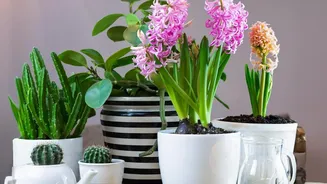
Before you get your hands dirty, a little preparation goes a long way. The foundation of your winter herb garden is simple: good pots, the right soil, and a sunny spot. Choose small pots, about 6-8 inches deep, with drainage holes at the bottom; this
is crucial to prevent water from pooling and causing root rot. Terracotta pots are a great option as they allow air and moisture to pass through. When it comes to soil, avoid using dense garden soil which compacts in pots. Instead, opt for a light, well-draining potting mix from any garden store. These mixes are specifically designed for containers, providing the right balance of aeration and moisture retention that herbs love. Finally, identify your sunniest windowsill. Most herbs, especially Tulsi, need at least four to six hours of sunlight per day. A south or east-facing window is often your best bet during the shorter days of winter.
The Queen of Herbs: Growing Tulsi
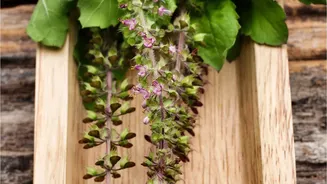
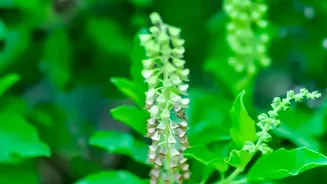
Tulsi, or Holy Basil, is a staple in many Indian households and a surprisingly manageable indoor plant. It loves warmth and sun, so the brightest spot you have is where it should live. Water your Tulsi plant only when the top inch of soil feels dry to the touch; overwatering is the most common mistake, especially in winter when the plant's growth slows down. Let the pot dry out slightly between waterings and always empty the drainage tray underneath. During winter, it's also wise to protect your Tulsi from cold drafts, so keep it away from open windows at night. To encourage a bushier plant with more leaves, regularly pinch off the flowering heads, known as 'manjari', as soon as they appear. This directs the plant's energy into producing the fragrant leaves you'll want for your morning tea or soothing kadhas.
The Easiest Green: Propagating Mint
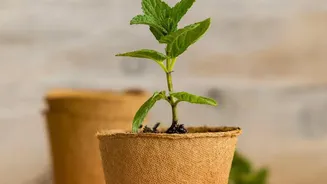
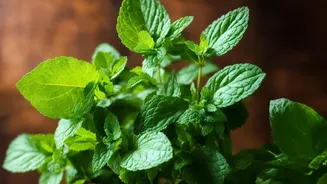
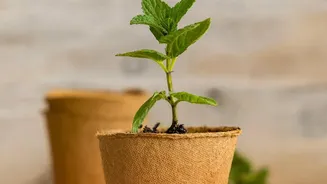
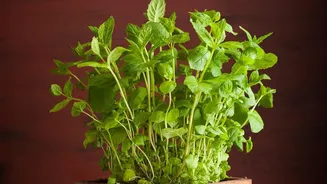
Mint, or pudina, is famously easy to grow and incredibly rewarding for beginners. It's so vigorous that it's best kept in a container to prevent it from taking over, making it perfect for a windowsill. You don’t even need seeds; you can easily propagate mint from a fresh stem cutting from the market. Just place a healthy stem in a glass of water, and it will sprout roots in about a week. Once rooted, plant it in your pot with standard potting mix. Mint prefers soil that is consistently moist but not waterlogged. It’s more tolerant of lower light than Tulsi but will still be happiest with a few hours of bright, indirect sun daily. Harvest leaves often by snipping the tips; this encourages the plant to grow bushier and fuller, ensuring you always have fresh leaves on hand for chutneys, raitas, or a refreshing drink.
The Flavour King: Cultivating Coriander
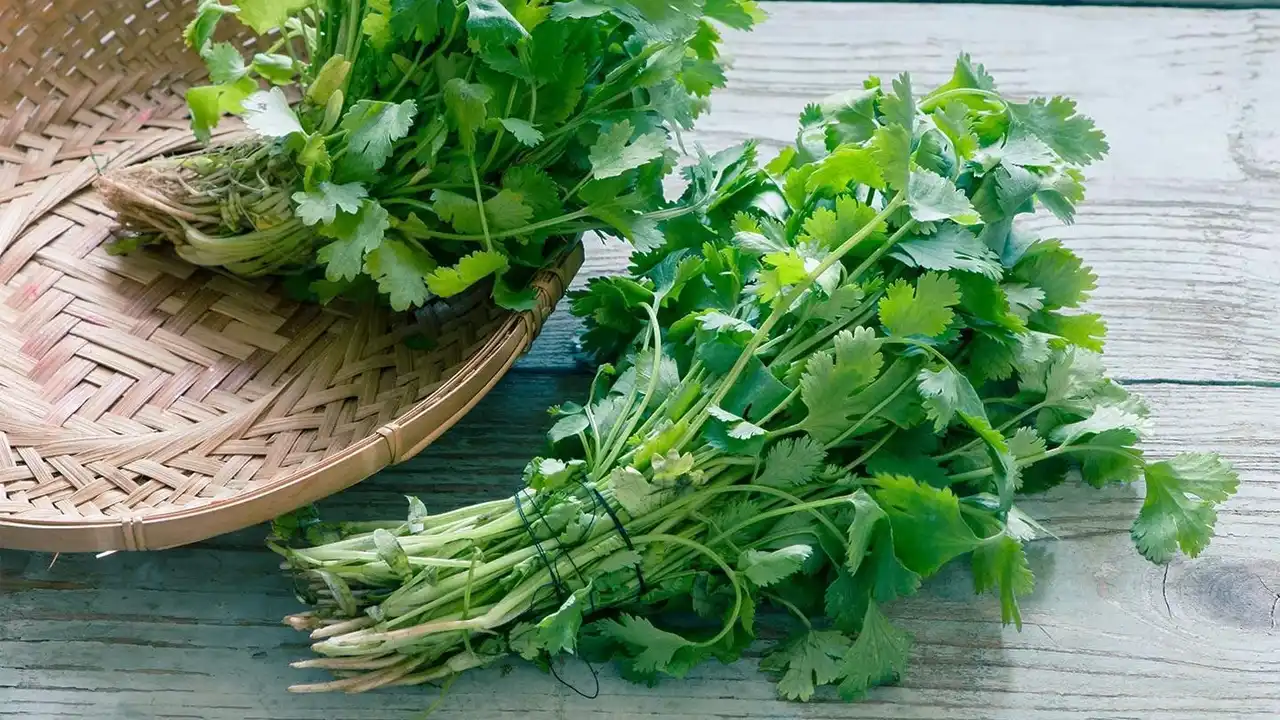
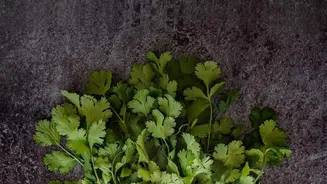
Fresh coriander, or dhania, is essential for garnishing countless Indian dishes, but it can be tricky to grow indoors because it tends to 'bolt' (flower prematurely). The key is to grow it in a cool, bright spot and harvest it regularly. It's best to sow coriander seeds directly into the pot where they will grow, as they have a sensitive taproot that dislikes being transplanted. You can gently crush the whole seeds to split them in two, which helps with germination. For a continuous supply of leaves, sow a new batch of seeds every two to three weeks. Keep the soil moist and provide at least four to five hours of sun. Harvest the outer leaves first, cutting them near the base, which allows the inner leaves to continue growing. This 'cut-and-come-again' method will delay bolting and maximize your harvest of flavourful leaves.
From Pot to Plate: Winter Flavour Boosts
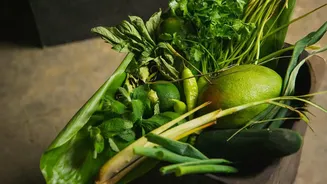
The real joy of an indoor herb garden is the immediate access to fresh flavours. A few Tulsi leaves can transform a simple cup of tea into a healing brew. Fresh mint leaves can be muddled into drinks, blended into a vibrant chutney with coriander, or stirred into yogurt to make a cooling raita. And what is a bowl of dal, sabzi, or rasam without a generous sprinkle of freshly chopped coriander on top? Having these herbs on hand eliminates waste and elevates everyday meals effortlessly. The aroma alone is enough to brighten a grey winter day, connecting your kitchen directly to the garden, no matter how small.