






The 'Health Halo' Illusion
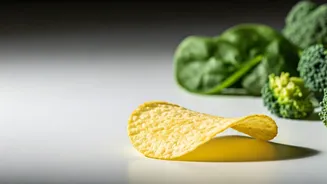
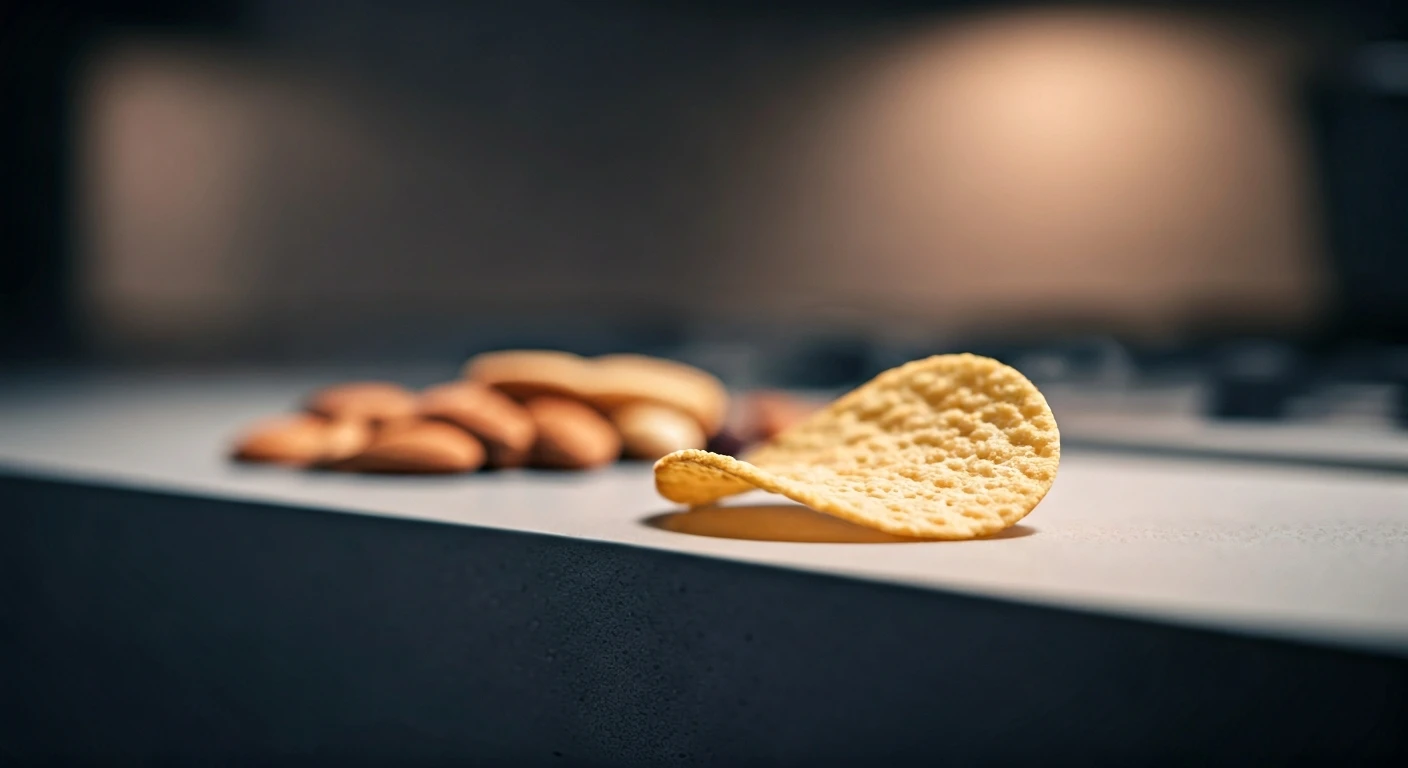
One of the biggest traps with diet snacks is a psychological phenomenon called the 'health halo' effect. When a food is marketed as "low-fat," "baked not fried," or "gluten-free," we tend to perceive the entire product as healthier than it actually is.
This halo can lead us to overlook other, less desirable aspects of the food, like high sodium or sugar content. Worse, it can give us a subconscious permission slip to eat more than we otherwise would. That single serving can quickly become the whole bag, erasing any calorie or fat savings you might have gained.
The Low-Fat, High-Sodium Trade-Off
When manufacturers reduce the fat in a product like chips, they have to compensate for the loss of flavour and texture. Often, they do this by adding more sodium, sugar, and refined starches. A standard ounce of baked potato chips can contain significantly more sodium than its fried counterpart. While fat has been vilified for decades, excess sodium is a well-known contributor to high blood pressure and heart disease. The ingredients list on baked chips is often longer and more complex than on regular chips, featuring things like corn starch and various forms of sugar to make them palatable. You might simply be swapping one unhealthy component for another.
The Satiety Problem
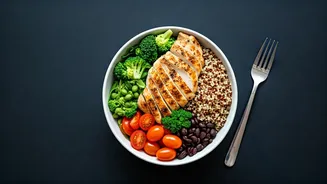
The goal of a snack is to tide you over until your next meal. Unfortunately, many diet chips fail at this fundamental job. Satiety—the feeling of fullness and satisfaction—comes from nutrients like protein, fibre, and healthy fats. These are precisely the elements that are often lacking in highly processed, low-fat snacks. Without them, you get the crunch but not the contentment. This can leave you feeling hungry again shortly after snacking, leading you right back to the pantry and potentially causing you to consume more calories overall than if you had chosen a more balanced snack in the first place.
The Artificial Ingredient Gamble
To create that zero-calorie sweetness or fat-free texture, some 'diet' products rely on artificial sweeteners and fat substitutes. While approved for consumption, these ingredients can have complicated effects. Some research suggests artificial sweeteners, which are many times sweeter than sugar, can alter our taste preferences over time, making us crave sweeter foods. There's also evidence that when our brain tastes sweetness without receiving the expected calories, it can disrupt appetite-regulating signals, potentially increasing hunger. This 'mismatch' may confuse the body's natural ability to gauge energy intake.
Smarter, More Satisfying Swaps
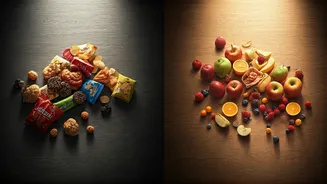
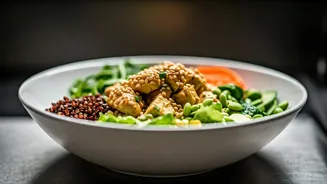
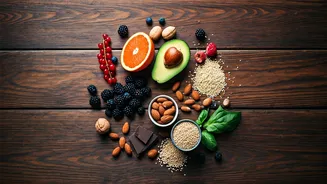
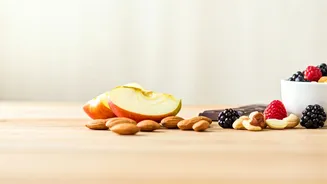
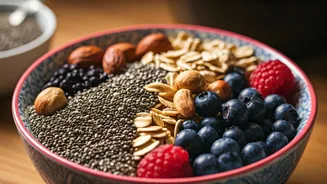
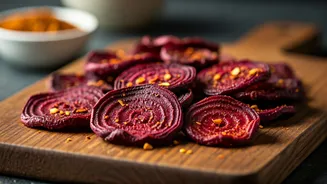
So, what should you reach for when the craving for crunch strikes? The key is to choose whole foods that provide a satisfying texture along with beneficial nutrients. Try a handful of almonds or pistachios, which offer healthy fats, protein, and fibre. Sliced vegetables like carrots, cucumbers, or bell peppers with hummus provide a crunch and are packed with vitamins and fibre. If you're set on chips, look for brands made with whole-food ingredients like sweet potatoes, beets, or kale, baked with simple oils like avocado or olive oil and minimal salt. Other great options include air-popped popcorn, roasted chickpeas, or even an apple with peanut butter.