



The modern workday can feel like a trap. Chained to a desk for hours, our bodies pay the price for our productivity. But breaking free from a sedentary routine doesn't require a complete overhaul. Here are five simple ways to get moving again.
1. Adopt the 'Movement Snack' Break
Forget waiting
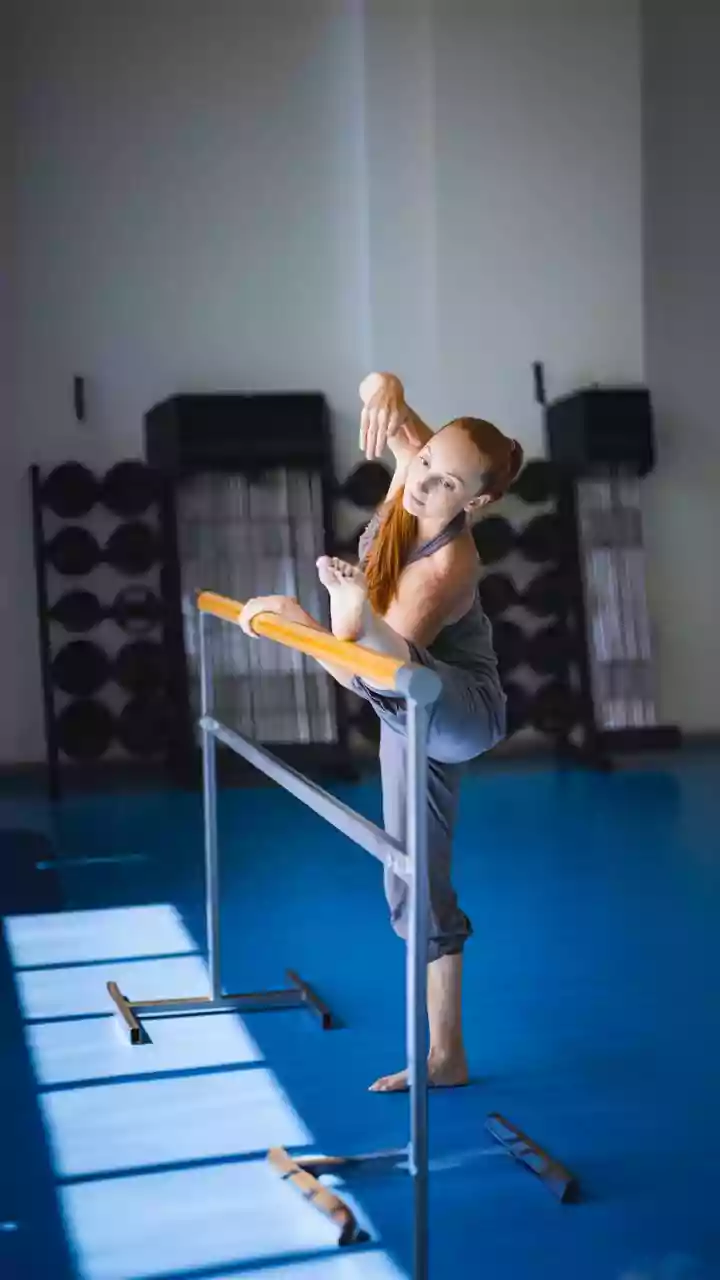
for your lunch break to stretch your legs. The key to combating the negative effects of prolonged sitting is to introduce regular, short bursts of activity, often called 'movement snacks'. This approach builds on productivity methods that use timed work intervals. Try setting a timer for every 30 to 50 minutes of focused work. When it goes off, take a dedicated three-to-five-minute break to move. You don't need a specific routine; the goal is simply to get out of your chair. Walk to another floor and back, do a lap around your office building, or simply stand and stretch. Studies show that these 'microbreaks' can help stabilise blood sugar levels, reduce cholesterol, and improve focus by boosting blood flow. It breaks the long, uninterrupted periods of sitting that are most harmful and refreshes both body and mind.
2. Turn Phone Calls into Walking Meetings
Not every meeting needs to happen in a conference room or over a video call that glues you to your screen. A simple yet powerful change is to identify which conversations can be taken on the move. If a call doesn't require you to be on camera or take extensive notes, plug in a headset and use it as an opportunity to walk. You can pace around your office, find a quiet corridor, or even step outside for some fresh air. This strategy, sometimes called a 'walking meeting', has a dual benefit. Not only does it effortlessly add steps to your day, but research suggests it can also boost creativity and make you more attentive. Instead of seeing calls as a time to be tethered, reframe them as a built-in opportunity for low-impact activity that doesn't disrupt your workflow.
3. Practice 'Desk-ercise' Discretely
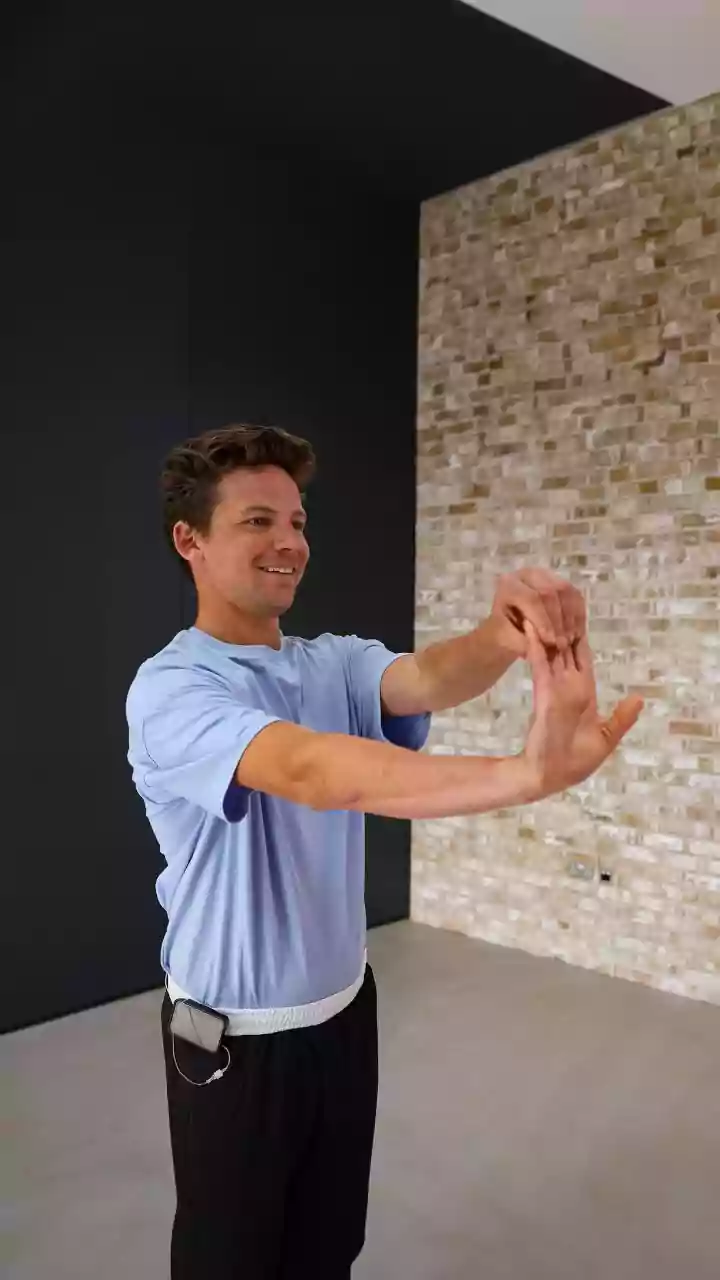
You don't need gym equipment or a lot of space to activate your muscles. 'Desk-ercises' are simple movements you can perform right at your workstation. Many are subtle enough that your colleagues might not even notice. To counter the hunched-forward posture of computer work, try shoulder blade squeezes by pulling your shoulders back and holding for ten seconds. Seated leg lifts, where you extend one leg at a time and hold, can engage your core and leg muscles. For your upper body, chair dips are highly effective; sit on the edge of your chair and use your arms to lower and raise your body. Even simple stretches like neck rolls and wrist circles can relieve tension and improve circulation. The goal isn't a full workout but to awaken muscles that have been dormant.
4. Strategise Your Hydration
Staying hydrated is crucial for overall health, but you can also use it as a tool to force more movement into your day. Instead of keeping a large two-litre bottle at your desk, opt for a smaller glass or bottle. This simple switch creates a natural reason to get up and walk to the water cooler or pantry every time you need a refill. This strategy, known as 'strategic hydration', builds multiple short walks into your schedule automatically. Each trip adds to your daily step count and provides a brief respite from your screen. You can apply the same logic to other tasks, like walking over to a colleague's desk to ask a question instead of sending an email, or choosing a printer or restroom that is further away from your desk. These small, intentional inefficiencies create valuable movement.
5. Rethink Your Transitions
Your workday doesn't just happen at your desk. The moments of transition—arriving at the office, going for lunch, and heading home—are prime opportunities for extra movement. Make a conscious choice to take the stairs instead of the elevator, even if it's just for a few floors. Over a week, those flights add up significantly. When commuting by car or bike, park a little further away from the entrance than you normally would. During your lunch break, make it a rule to step away from your desk. Even a short 10-minute walk before or after you eat can break up the day and aid digestion. By viewing these transitional moments not as something to be optimised for speed, but as chances for activity, you can accumulate a surprising amount of movement without scheduling a single workout.