








A Smart Solution for the Indian Plate
Hyderabad's National Institute of Nutrition (NIN) has announced it is developing an AI-powered search engine and bot aimed at helping Indians make more informed food choices. This initiative comes as a direct response to two growing trends: the rising
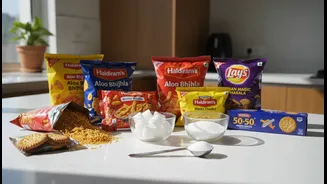
consumption of packaged foods and an increasing burden of non-communicable diseases (NCDs) like diabetes and hypertension in the country. The goal is to create a one-stop, authoritative source for nutrition information that understands the nuances of what Indians actually eat, moving beyond the Western-centric databases that dominate the market. The platform will provide detailed nutritional profiles for thousands of food products at the click of a button.
The Calorie-Counting Conundrum
Anyone who has attempted to use a standard nutrition app knows the core problem: they are not built for Indian food. Is it 'Chicken Curry' at 250 calories or 800? The nutritional content of a dish like dal or a vegetable sabzi can vary dramatically from one household to another based on the amount and type of oil used, the specific masalas, and the cooking method. A simple 'tadka' can add over 50-100 calories. This regional and household-level diversity makes accurate tracking nearly impossible with generic entries. Portion sizes are another hurdle; terms like 'katori' or 'serving' are not standardised, leading to guesswork that often underestimates calorie intake by 30-50%.
How the AI Bot Will Work
The NIN's initiative aims to solve these issues by building on a foundation of credible, India-specific data. The core of the new tool will likely be NIN's own comprehensive 'Indian Food Composition Tables' (IFCT), which provide detailed data on hundreds of key Indian foods. To tackle the packaged food segment, NIN has signed a Memorandum of Understanding with the Hyderabad-based company behind the 'TruthIn' app. This collaboration will help create a scientific database of over 75,000 packaged food products sold in India, analysing labels, ingredients (including complex INS numbers), and nutritional content to present it in simple, understandable language. While early reports focus on packaged foods, the potential to integrate data for traditional and home-cooked meals is significant, possibly using natural language processing to understand queries like 'one bowl of dal'.
Beyond Calories to Crucial Context
The planned tool promises more than just numbers. A key feature will be its ability to 'flag' nutritional aspects, helping users understand what they are consuming in a broader health context. Instead of just seeing a calorie count, a user could be informed about high levels of sodium, hidden additives, or signs of ultra-processing in a packaged snack. For home cooking, this contextual approach can provide insights into healthier preparation methods, appropriate portion sizes, and the micronutrient profiles of traditional ingredients, which are often lost in simple calorie counters. This aligns with NIN's long-standing mission to provide a holistic understanding of nutrition, moving the focus from mere energy balance to overall dietary quality.
The Public Health Potential
An accessible, AI-powered nutrition guide could be a powerful public health intervention. By empowering millions with accurate, culturally relevant information, the tool can help individuals manage their diets more effectively to combat lifestyle diseases. Beyond the consumer, the platform is expected to become a valuable resource for researchers, policymakers, and the food industry. The database will enable detailed analysis of nutritional trends across food categories, support studies on Indian dietary patterns, and generate evidence for future nutrition policies and labelling regulations. It could even assist food manufacturers in reformulating their products to create healthier options by allowing them to compare nutritional profiles across the market.